Planning Playground Seating That Helps Every Student Feel Included
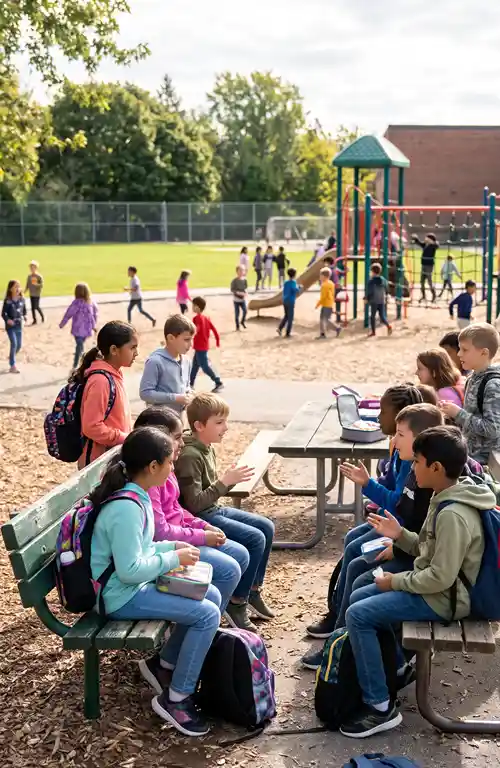
A playground is more than its climbing frames and games. The places where students pause, watch and talk can shape who feels comfortable joining in. Seating is a small part of a much bigger inclusion plan, but thoughtful choices can make recess easier to navigate. The starting point is not a catalogue: it is an understanding of how different students use the space.
Observe recess before choosing furniture
Walk through the playground at different times, including busy breaks and quieter periods. Notice where students gather, where they wait for friends and where they move away from noise. Ask teachers and support staff which areas are difficult to supervise or become crowded.
Students can contribute insights adults may miss. Offer several ways to share ideas, such as a short conversation, drawing or a chance to point out places on a plan. Invite students with different access and communication needs to participate without asking anyone to speak on behalf of an entire group.
A review of inclusive playground design highlights that inclusion involves the physical setting, social environment and design process. This is a useful reminder to ask not just whether a bench fits, but whether children can reach it, use it and feel welcome there.
Make the journey to a seat part of the plan
A bench is only useful if a child can get to it. Look at the whole route from the classroom or main path, including gates, changes in surface, slopes and places where rainwater collects. A seat beside an uneven or muddy route may be technically close to play but still difficult to reach independently.
Leave enough clear, firm space next to seating so a student using a wheelchair or other mobility aid can sit alongside friends rather than at the edge of the group. Check turning and circulation space with an accessibility professional and the people who use the area. Requirements vary by site, so a drawing alone should not be treated as proof of compliance.
Offer different kinds of seating where practical. Backrests and armrests may help some students sit down or stand up; tables, individual seats and longer benches support different activities. No single design will suit everyone, and students should be able to choose a place without being singled out.
Give quiet and social spaces equal attention
Some children enjoy sitting near a game, even when they do not want to join it immediately. Others need a quieter place to recover from a busy classroom or a noisy break. A mix of locations can support both, provided quieter areas remain within the school’s supervision plan.
Think about what students will see and hear from each seat. A bench facing a blank wall may offer privacy, but a child might prefer to watch a game from a comfortable distance. Shade, glare and hot surfaces also affect whether a seat gets used. Check the area at the times children actually visit, not just during a morning site inspection.
A buddy bench can give students a familiar place to signal that they would like company. It works best as part of a wider approach: explain its purpose, teach students how to offer an invitation and ensure adults notice when support is needed. Sitting alone does not always mean a child is unhappy, and no student should be pressured to use the bench or disclose why they are there.
The National Center on Health, Physical Activity and Disability’s inclusive playground guide also points to the role of accessible spaces and facilitated social opportunities. Seating can support those efforts, but it cannot replace supervision or a school’s response to exclusion and bullying.
Choose furniture for everyday school life
Once the locations are clear, compare furniture against the people and activities it needs to support. A table near an outdoor learning area may suit small-group work, while a longer seat near a court may work for spectators. Ask suppliers about dimensions, surface temperatures, fixing requirements, cleaning and replacement parts.
For an example of the types of furniture available, Felton’s outdoor school seating includes benches, tables and buddy benches. The right selection still depends on the students, site conditions and the school’s own assessment.
Consider long-term upkeep as well as purchase price. Who will check fixings, clean surfaces and report damage? Where will water drain? Does installation leave routes, emergency access and play-equipment safety zones clear? Confirm the intended locations and fixing method with the appropriate site and installation professionals before ordering.
Test the plan and keep listening
If possible, mark proposed positions on the ground or trial movable furniture before committing to a permanent layout. Ask students and staff whether the seats are easy to reach, comfortable and located where they actually want to spend time. Observe whether a popular route becomes congested or a supposedly quiet spot is too close to a noisy game.
After installation, return to the same questions. Inclusion is not achieved by buying one bench; it grows from a space, routines and relationships that give more children genuine choices about how to spend their break.