Creating Safe and Engaging Play Spaces for Children at Home
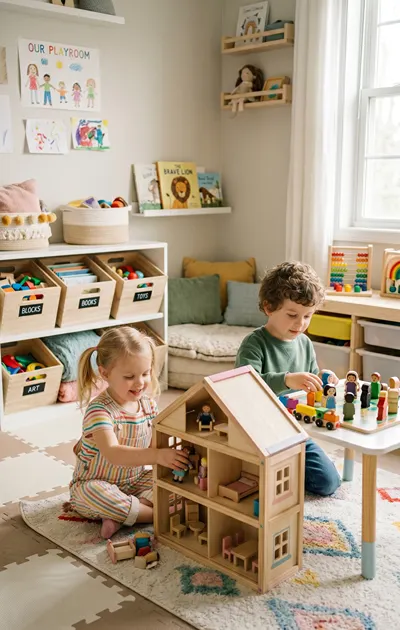
Thoughtfully designed play spaces help children thrive while providing parents with greater peace of mind. When safety and child development are prioritized in the home, risks are minimized and exploration is encouraged. Practical steps help ensure that every play zone supports both healthy growth and a calmer household environment.
A well-planned play area allows children to enjoy freedom within secure boundaries, supporting learning and imaginative activity, including pretend-play setups like a mouse house. Safety features aim to protect children and provide parents with assurance, contributing to smoother family routines. By considering routine checks and small adjustments, it may be easier to maintain a space that adapts to children’s changing needs and helps reduce preventable injuries.
As children grow, the importance of these considerations increases, making the home a reliable foundation for healthy development and safer playtime. Simple actions, like keeping pathways clear and choosing stable furnishings, can help reduce common risks. Regular monitoring and consistent organization also support safer play over time.
Taking essential steps to maximize physical safety
A safe play space begins with basic steps to minimize common hazards. Regularly check the area for choking dangers such as small objects, damaged toys, and scattered craft materials, which present additional risks for younger children. Identify and address sharp edges, pinch points, and anything a child could bump into or trap fingers on during play.
Floor safety is also important in any play area. Non-slip mats, soft rugs, cushioned floor tiles, or gym flooring can provide a more stable, impact-absorbing surface for active play and exercise. Walkways should be kept clear of clutter to limit tripping hazards and make exits easier in case of emergency.
How age shapes the setup and supervision strategy
The ideal design of a play area changes as children develop new skills and interests. For toddlers, safe spaces can benefit from simple layouts with well-defined zones and secure, limited-access storage to keep potentially risky items out of reach. Close supervision remains important at this age, so a layout that allows easy observation from several angles is especially helpful.
For preschoolers and early elementary-age children, consider play zones that encourage some independence but remain easy to oversee. This may include accessible shelving for self-serve activities and straightforward storage systems to support tidiness and responsibility during play.
Older children may prefer spaces suited to hobbies or study, with clear privacy boundaries that promote both focus and safety. Shared areas can benefit from agreed standards on tidiness and respectful use, helping all family members maintain a comfortable environment.
Selecting materials and toys for safer play experiences
Toy selection affects both accident prevention and development. Items labeled as “age-appropriate” should match a child’s current abilities, reducing frustration and lowering the likelihood of injury. For very young children, avoid toys with small detachable parts to minimize choking hazards, following widely recognized safety recommendations.
Batteries, magnets, cords, and craft supplies should be kept out of reach or in childproof containers, especially in spaces used by multiple age groups. Remove broken or worn-out items promptly to help ensure unsafe pieces are not accessible. Select toys and surfaces that are easy to clean, which supports overall hygiene and contributes to a safer play space.
Materials should avoid sharp points, toxic finishes, and fragile glass. Choosing safe, durable options may result in fewer injuries and longer use, benefiting both children and adults. Follow manufacturer guidance and established safety standards found on packaging where in doubt.
Organizational routines and healthy play space habits
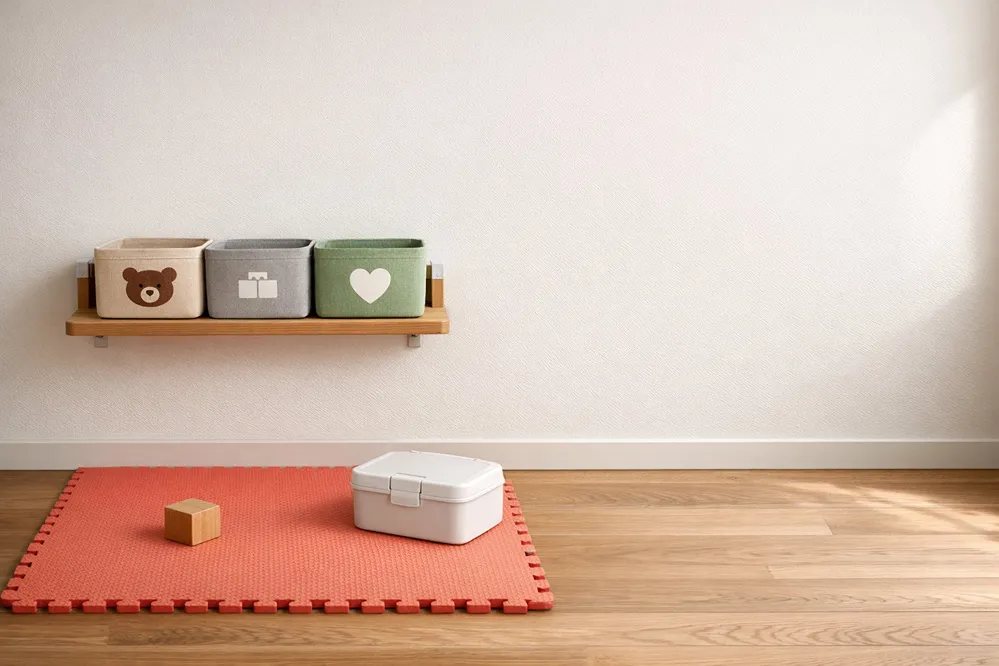
Good organizational habits help reduce hazards and encourage children to participate in cleanups. Establishing routines that reflect a child’s age and capabilities can foster responsibility and keep play areas orderly. Labeling storage bins with icons or pictures can help young children learn where items belong, supporting ongoing organization.
Sorting toys into simple categories can reduce clutter and help limit tripping hazards, especially where space is limited or shared. Teaching rules for proper handling may further decrease injury risks and reinforce safety in a consistent way.
Regular scan-and-reset checks let parents spot new hazards quickly. Each week, review floors, cords, and furniture for instability, and remove any broken or unwanted items. As children’s needs change, update the space accordingly to reflect new interests and safety considerations.
Balancing screen use and promoting digital safety awareness
Maintaining a screen-free play zone can support active creative play and help avoid overstimulation. When devices are present for learning or recreation, set clear guidelines for balanced use, drawing on recognized digital health advice. Keeping screens out of main play areas is often suggested to support attention, language, and physical skills.
If technology is part of the space, model regular breaks and talk about media choices with children. This may help reduce excessive exposure and develop good decision-making in digital settings. Clearly defined boundaries can help balance technology use with unstructured playtime.