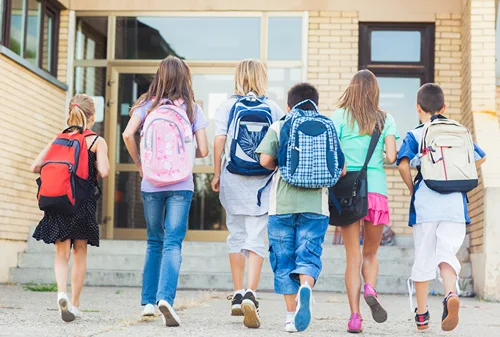
Ready for School, Ready for Life: Giving Your Child the Capalaba Advantage
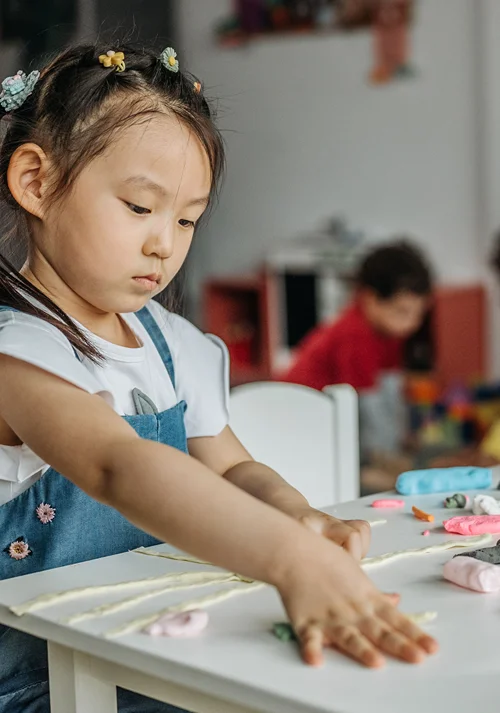
The years between three and five represent a critical window in a child’s development. It is a time characterized by rapid cognitive growth, the blossoming of social confidence, and the emergence of a distinct, curious personality.
For families in the Redlands region, the decision of where to enroll a child during these formative years is about more than just finding a convenient place for care. It is about choosing a foundational environment that will shape their transition into the primary school system. A high-quality early learning center acts as a vital bridge, transforming the familiarity of home into the structured, social, and academic world of primary education.
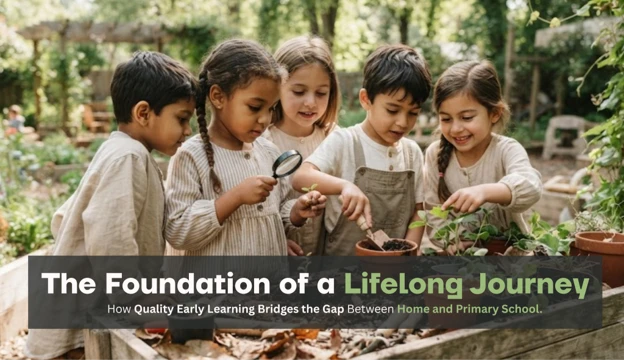
When you choose a reputable capalaba preschool, you are providing your child with a deliberate start to their educational journey that emphasizes both academic readiness and personal growth. By prioritizing a pedagogical environment over a simple child-minding facility, these leading programs ensure that children are not just ready for school, but ready for the challenges of life beyond the classroom. These centers focus on the deliberate cultivation of skills that allow children to thrive in the primary school ecosystem, turning the potentially overwhelming transition into an empowering milestone.
The Pillars of School Readiness
True school readiness is far more complex than just knowing the alphabet or being able to count to twenty. While early literacy and numeracy are important components of the curriculum, they are built upon a foundation of social-emotional regulation and independence. In a top-tier program, these developmental milestones are woven into the fabric of every day.
Social-Emotional Regulation
The ability to identify, express, and manage emotions is arguably the most important skill a child can bring to primary school. In an early learning setting, children learn to navigate complex social dynamics, such as sharing resources, negotiating play, and understanding the feelings of their peers. Through guided interactions and consistent, supportive mentorship, educators help children build the resilience needed to handle the social pressures they will eventually encounter in the primary school playground.
Early Literacy and Numeracy
Learning in the best centers is experiential and integrated. Instead of rote memorization, children engage with literacy and numeracy through play and project-based work. Whether it is measuring ingredients for a cooking project or identifying letters on a nature walk, children learn that these tools are essential for understanding the world around them. This approach sparks a genuine love for learning that serves them long after they graduate from preschool.
Independence and Agency
A successful transition to primary school requires a child to feel confident in their ability to navigate the world without constant parental intervention. High-quality programs foster this independence by encouraging children to manage their own belongings, follow multi-step instructions, and make choices within a supported environment. This agency gives children the confidence to approach primary school as capable, autonomous learners who know how to ask for help and advocate for themselves.
The Pedagogical Advantage
It is important to view these early learning centers as professional pedagogical environments. The educators are not merely dropping kids off to play; they are designers of experiences. They observe, document, and extend the children’s interests, ensuring that every activity serves a developmental purpose.
This pedagogical focus bridges the gap between the relaxed structure of home and the more rigid requirements of a primary school classroom. By gradually introducing elements like morning meetings, transitions between different learning stations, and focused individual work, centers prepare children for the daily cadence of primary school. This exposure helps minimize anxiety, ensuring that when the first day of prep arrives, the child feels as though they have already mastered the rhythm of the school day.
Designing the Transition
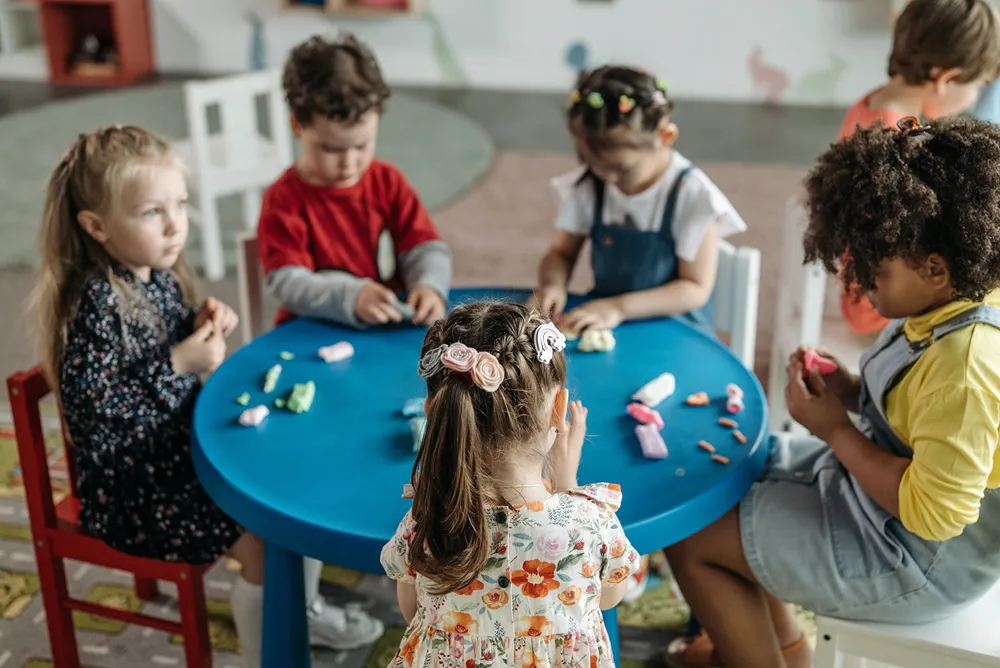
The transition process is not an event that happens on the first day of school; it is a gradual progression supported by the right environment. Quality centers prioritize routines that mirror school expectations. They teach children how to prepare their lunchboxes, how to follow group instructions, and how to communicate needs to adults other than their primary caregivers.
By building these habits in a nurturing preschool environment, the center effectively removes the fear of the unknown. Children who have spent time in a quality pedagogical setting arrive at primary school with a sense of familiarity. They know how to listen when a teacher speaks, they know how to interact with a group, and they have the confidence to tackle new problems. This is the ultimate goal of the bridge: to ensure that the academic rigors of primary school are met with excitement rather than trepidation.
Choosing the Right Path for Your Family
For parents in Capalaba and the broader Redlands area, the goal is to find a center that views parents as partners in this transition. The most effective programs prioritize clear communication and transparency, keeping families informed about their child’s developmental journey. When you visit a prospective center, look for signs of a truly engaged learning environment:
- Active Engagement: Are children participating in meaningful, long-term projects rather than just drifting between toys?
- Educator Interaction: Do the educators spend their time facilitating learning and engaging in rich dialogue with the children, rather than just supervising from the sidelines?
- Environment Design: Is the space organized in a way that promotes discovery, collaboration, and quiet focus?
By selecting a center that emphasizes these values, you are ensuring that your child enters primary school with a distinct advantage. They will arrive not just equipped with academic skills, but with the confidence, emotional intelligence, and self-reliance that define a successful learner.
The Role of the Environment
The physical environment of a high-quality center is often called the “third teacher.” It is designed to invite inquiry, challenge physical coordination, and support social collaboration. In Capalaba, the best centers utilize their space to mirror the kind of independence required in a school classroom. From height-appropriate furniture to clearly labeled resources that children can access themselves, every detail is intended to reinforce the idea that the child is a capable participant in their own learning.
When children are given the tools to organize their own workspace or clean up their own projects, they are practicing the executive function skills that primary school teachers prioritize. This self-regulation is the quiet secret of successful school transitions. It is not just about the child who can read; it is about the child who can regulate their frustration, persist through a difficult task, and initiate their own learning.
Conclusion: A Foundation for the Future
The transition to primary school is a momentous step in your child’s life. By choosing a high-quality early learning center, you are providing them with the support, challenges, and opportunities they need to face this transition with enthusiasm. It is a decision that extends far beyond the age of five, laying the groundwork for a lifelong journey of curiosity and capability. As you plan for your child’s future, remember that the right preschool environment is one of the most powerful investments you can make. It turns the preparation for school into a rewarding, life-changing experience for the whole family, ensuring your child is ready not just to start school, but to start their future with strength, purpose, and a genuine joy for discovery.
Steven Lagrimas is a freelance writer specializing in STEM, business, health, politics, and the social sciences. His work explores the intersection of society, governance, innovation, and emerging global trends shaping communities and industries today.