The Best Areas of Gran Canaria for Families Who Want to Explore Beyond the Resort
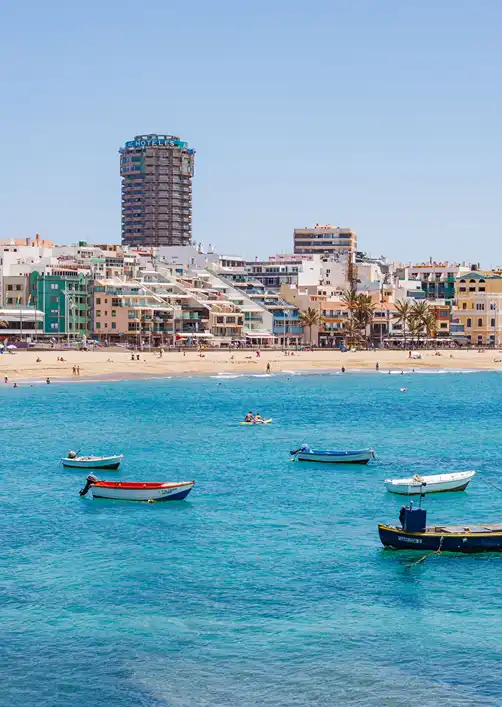
Beach resorts are made for families, with all the facilities and amenities you need for a comfortable stay with the convenience of direct coastal access. However, if your kids are older, they, and you, may get bored of repetitive days by the pool. Discover the best areas of Gran Canaria for an enriched family beach holiday that includes more than sun, sea and sand.
1. Teror
While the Canary Islands is known as a beach destination, there’s more to Gran Canaria than its striking black and gold coastline. Teror should be first on the list for Gran Canaria holidays combining relaxation with authentic cultural experiences because it provides insight into traditional island life. This is the perfect contrast to your modern resort setting, helping to connect you to the heart and history of the destination.
Teror is just north of the island’s centre, less than 90 minutes by car from most of the hotspots along the south and south-west coast. Surrounded by green hills, the town has a relaxed pace and plenty of charm, a restful day excursion. Wander cobblestone pedestrianised streets between colourful buildings with carved wooden balconies and stop off at key heritage sites including the Basilica of Nuestra Señora del Pino. Visiting on a Sunday lets you experience a lively local food market.
Because most of the town centre is compact, younger children can explore without facing long walks. Plan your visit for the morning when the streets are lively and the temperature is slightly cooler.
2. Puerto de Mogán
A picturesque fishing village in amongst the busier resort areas of the south-west, Puerto de Mogán gives families the chance to change the pace without committing to a long transfer. When you get there, there’s plenty to explore on foot, too.
Bright bougainvillea climbs across whitewashed buildings, small bridges cross waterways and fishing boats bob in the deep-set, swooping marina. Often called ‘Little Venice’, it’s an idyllic environment with enough visual impact to keep the family engaged. The sheltered beach is a must if you’re travelling with younger children; its shape and position mean the water is calmer, for relaxed paddling and swimming.
Away from the sand, you can wander through the harbour and stop for lunch overlooking the boats. Puerto de Mogán is also an excellent base for boat trips along the south-west coast. These excursions will give you a unique perspective of the coastline’s dramatic cliffs and hidden coves that remain inaccessible by road. Book an early sailing expedition to avoid the strongest afternoon heat.
3. Tejeda
Located at the heart of the island, Tejeda is frequently recognised as one of Spain’s most beautiful villages. Surrounded by dramatic mountains shaped in a volcanic explosion, the whitewashed buildings are a bright and striking contrast against the barren black rock. Wherever you walk, you’ll have impressive views and photo opportunities, and the journey itself forms part of the experience.
Visit Roque Nublo, an almost-80-metre-high basalt monolith formed approximately 4.5 million years ago. Eras of wind and water erosion have removed the softer surrounding rock, leaving this towering pillar standing proud. Other viewpoints include Roque Bentayga and Cruz de Tejeda, a mountain pass close to the Parador Nacional.
Refuel with the famous almond-based sweets sold at the village bakeries. These local delicacies are a tasty reward for kids and adults alike after exploring in the sun!
4. Agaete and Los Berrazales
Positioned on Gran Canaria’s north-west coast, Agaete is an appealing mix of seaside charm and rural adventure. The rugged coastline reveals natural swimming pools, while the town itself provides a pleasant place for a family to enjoy a relaxed pace that feels very different from the larger tourist resorts.
The real highlight lies inland in Los Berrazales, a fertile valley known for its vineyards, citrus groves and coffee plantations. In fact, it’s one of Europe’s few coffee-growing regions, along with the Azores, southern Spain and the Italian island of Sicily. Visitors can learn how locally grown coffee reaches the cup, something many children find fascinating. Guided visits combine simple farming explanations with opportunities to see crops growing in their natural environment. And, of course, a chance to taste the local Canarian coffee!