Nature Play for Preschoolers and How Simple Routines Build Curiosity
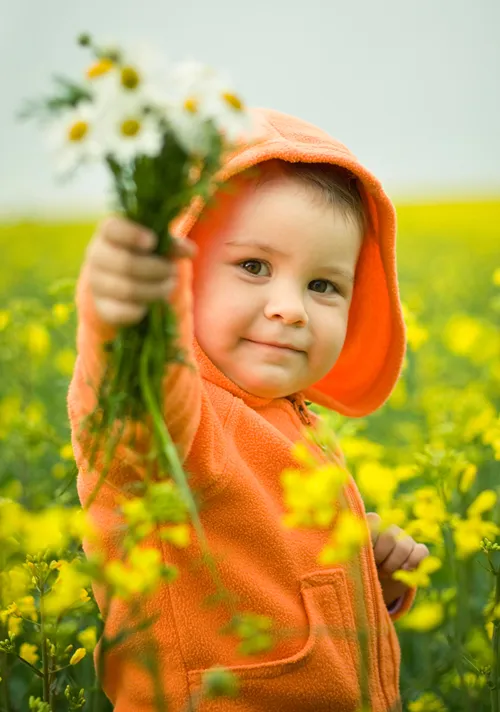
Nature play gives preschoolers regular chances to look closely, ask questions and try things out for themselves. It needs very little equipment, only some time outdoors, a little patience and an adult who is happy to stop and notice small things alongside them, including beetles, snails and the shapes of passing clouds.
Short routines repeated through the week usually work better than occasional big outings, because children get to watch the same place change.
Start with one outdoor spot
Pick a place you can reach easily, such as the front step, a patch of lawn or the nearest park bench, and spend ten minutes there on most days. A familiar spot lets a three or four year old compare what they saw yesterday with what they see now, which is often where questions about missing puddles and new mushrooms begin. A bug hunt with a paper tally gives those ten minutes some structure without turning them into a lesson, and it gives your child something to report back to the rest of the family.
Make observation part of the day
Helping a small child fill a feeder and then watch who visits turns looking into a habit. Let them help you load the feeder with suet blocks for birds, then hang it within sight of a window and let them choose where to sit and watch. Robins, tits and starlings are common visitors, and a sheet of paper nearby lets your child tick or draw each one as it arrives. Washing hands afterwards and hanging the feeder out of reach of pets keeps the whole routine clean and easy to repeat.
Let their questions lead
Children this age ask questions all day, and the most useful thing you can do is give them time to form an answer before you offer one of your own.
Ask what they notice: Open questions like what looks different in the garden today get longer and more thoughtful replies than being told the name of a tree or a bird.
Name things gently: Add the right word once your child has shown an interest, for example “that’s a woodlouse” or “that bird is a robin”, without correcting the way they describe it.
Collect and return: Let them gather twigs, stones and pine cones for a simple bug box by the fence, then check it for visitors each week and leave everything where it was found when they’ve finished.
Keep the routine going through the week
Give each day a light job, such as refilling the feeder, checking the bug box or counting visitors from the window, so the routine feels like a habit and not a project to be completed. Missing a day doesn’t matter, and short sessions in poor weather often bring the best discoveries, so a drizzly morning is worth a coat and boots, since puddles, snails and wet leaves are all more interesting than a dry lawn. Curiosity at this age grows from small, repeated chances to look, and ten minutes outside in nature most days is enough to give it plenty to work with.