Before You Share: A Practical Photo Privacy Plan for Preschool Families
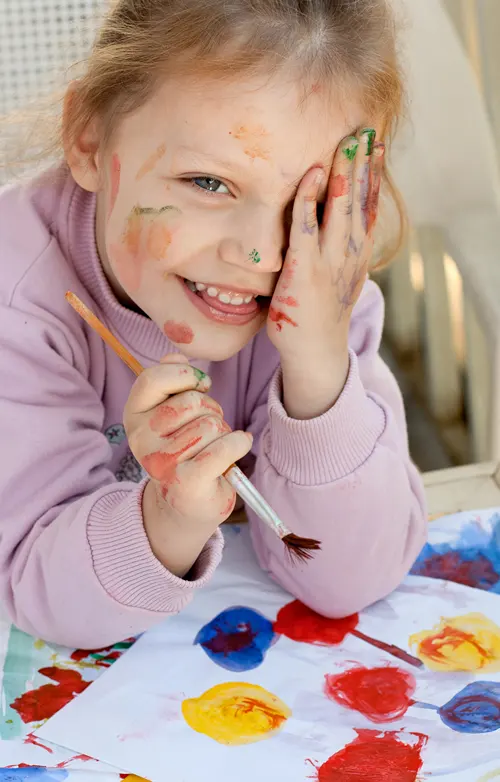
A photo of a child’s first painting or a new friendship can feel too lovely to keep to yourself. Yet a quick post can reveal more than you expect. A simple family photo plan helps you celebrate the moment while giving young children more privacy and a growing say in what happens to their image, now and as they grow.
Start with a conversation, not a checklist
Preschoolers may not understand every consequence of an online post, but they can begin to understand that their image belongs to them. Ask, ‘Is it okay if I take this?’ and explain what you plan to do with the picture. If your child says no or turns away, respect that answer when practical.
You can also tell family members what you would like them to do. A useful rule is to ask a parent before posting any child’s photo and to check with the child too. Make room for relatives who live far away: a private call or a small shared album can still help them feel connected.
Look beyond the smiling face
Before sharing, scan the whole image. A uniform, name badge, street sign or familiar routine can reveal where a child spends their time. The background may also contain another child whose family has made a different decision about sharing.
Avoid adding full names, dates of birth, addresses or live location details to captions. Check whether your phone adds location information to photos and remove it where possible. Remember that even a restricted audience can save or screenshot an image; privacy settings reduce exposure but do not guarantee control.
The eSafety Commissioner’s privacy advice for parents explains how images can disclose personal details and why it pays to pause before posting.
Ask the early learning service how images are handled
Photos can give families a window into a child’s day and help educators document learning. Before agreeing to image use, ask what is photographed, why it is needed, who can see it and where it is stored. Find out whether consent for a secure family app is separate from consent for a public website or social media.
If you are considering an early learning centre, or a service elsewhere, ask to see its current image and privacy policies. What happens when a child appears in the background of a group photo? How can a family change its preferences? How long are images kept after a child leaves?
The national early childhood regulator’s guide to personal information outlines risks and safeguards services can consider. Policies and legal requirements can change, so ask the service how its current procedures apply to your family.
Choose a smaller audience on purpose
A closed family group may be more appropriate than a public post, but check who belongs to it and whether members can invite others. Use unique passwords and multi-factor authentication where available. Review access when a relative changes devices or a family situation changes.
For especially personal moments, consider sharing the story instead of the image: ‘She made a huge paper rocket today!’ You might photograph the artwork by itself or crop an image so the child is not identifiable. These choices are not about hiding childhood; they give families options.
Practise consent through everyday play
Make privacy a small, ordinary habit. Let your child take a photo of a toy, then ask whether the toy wants its picture shared. Model asking a sibling before taking theirs. If a child changes their mind about a photo you control, delete it or explain what you can and cannot remove.
Avoid promising that everything online can be erased. Instead, show children that adults can listen, make careful choices and fix what they reasonably can. Keep the conversation light and age-appropriate rather than making the internet sound frightening.
Review your family plan together
Once or twice a year, check old albums, app permissions and your sharing settings. Ask caregivers about any changes to their processes. A new phone, a new preschool room or a change in family circumstances is a good reason to revisit your choices.
A family agreement does not need to be complicated. Decide which moments stay completely private, who can receive pictures and whether relatives may share them again. Write those choices down so a babysitter or grandparent can follow them too. If a photo is shared accidentally, ask for it to be removed promptly and talk calmly about how to prevent the same mistake next time.
There is no single rule that suits every family. The goal is to make sharing deliberate: protect identifying details, understand who can access each image and give children a voice as they grow. Those small habits make it easier to enjoy the memories without sharing more than you intended.