How to Plan a Safe and Fun Paintball Day for Kids and Teens
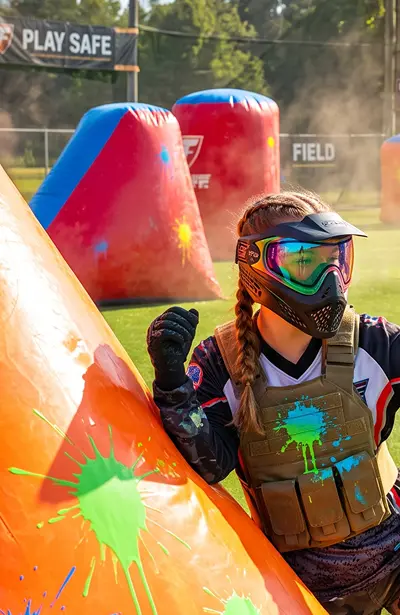
Paintball has a reputation that doesn’t quite match the reality of what modern, supervised play actually looks like. For families searching for group activity ideas that go beyond the usual options, or parents looking for safe outdoor sports for teens that still feel exciting, paintball is worth a serious look.
Teamwork, communication, physical activity, strategic thinking under pressure. It delivers all of that in a format that kids genuinely get excited about.
Here’s how to plan a day that’s both fun and safe.
Start With the Right Equipment
For families or group organizers buying gear rather than renting, paintball starter packages and paintball gun packages take most of the guesswork out of the process. Paintball starter kits typically include a marker, hopper, CO2 or compressed air tank and a basic mask, covering everything a first-time player needs without piecing together components separately. Kits designed for younger or newer players often feature lower-velocity markers that reduce impact without sacrificing the fun of the game.
When comparing packages, look for markers with adjustable velocity settings. For players aged 10-13, most organized fields recommend keeping velocity at or below 200 FPS, which significantly softens impact while still delivering the full paintball experience. Older teens playing standard games typically use markers capped at 280 FPS, which is the industry norm at most professional fields.
Safety Gear Is Non-Negotiable
A marker package is only part of the picture. Proper paintball protective equipment is what makes the difference between a bruised experience and a comfortable one. At minimum, every player needs a full-face mask that covers the face, eyes and ears. This is the single most important piece of gear on the field and should never be removed during play. Beyond the mask, a chest protector absorbs the bulk of direct hits and is especially recommended for younger players. Add padded gloves to protect hands and knuckles, and knee and elbow pads for anyone who plans to dive, slide or crouch behind cover.
For clothing underneath the gear, layer up. Long sleeves and pants (ideally in darker colors or camo) protect exposed skin and add an extra layer of cushioning. Closed-toe shoes with good grip are essential, particularly on outdoor fields where terrain can be uneven.
Pick the Right Field for the Group
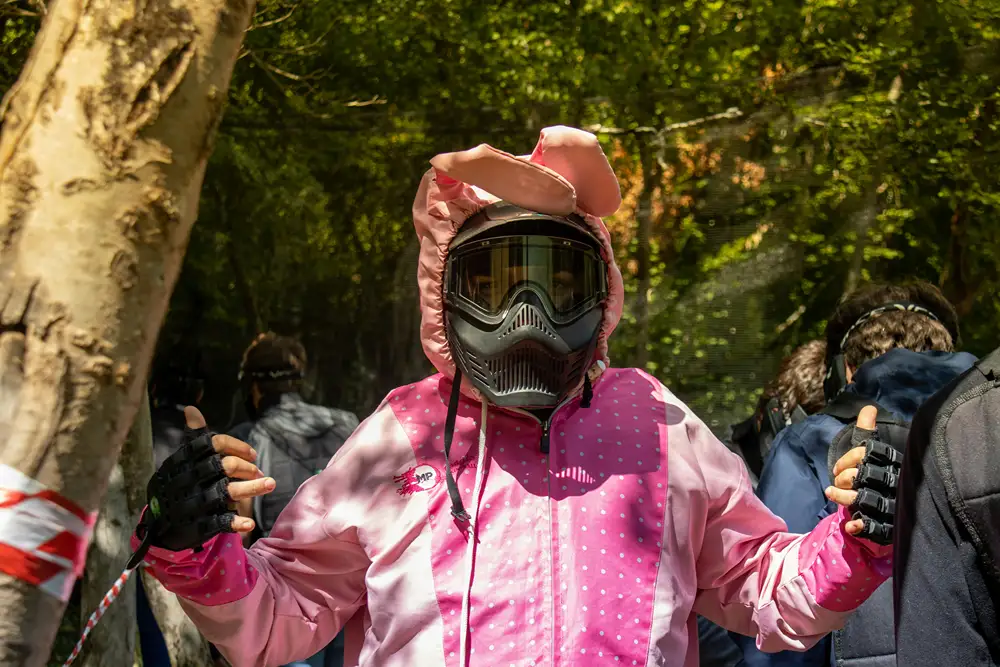
Not all paintball fields are the same. No, and for a group that includes younger players, the venue matters. Look for fields with dedicated youth or low-impact game zones, trained referees who actively supervise play and enforce rules and a mandatory summer safety briefing before games begin. Call ahead to confirm their minimum age policy, waiver requirements for under-18 players and whether they have youth-sized rental gear available if needed.
Outdoor woodsball fields tend to offer more natural cover and a slower pace, which suits mixed-age groups well. Indoor CQB (close-quarters battle) fields are faster and more intense. Better suited for older teens who’ve played before.
What Makes Paintball Worth It
Beyond the obvious appeal of running around outdoors and shooting things, paintball stands out among family outdoor activities for quietly delivering a lot of what parents hope group activities will provide. Kids have to communicate with teammates in real time, adapt their plans when things go wrong and support each other under pressure. Shy kids often find their confidence on a paintball field in a way that more passive group activities don’t produce. It’s loud, it’s active and it’s genuinely memorable which puts it ahead of most alternatives for a birthday party or end-of-season team outing.
The key is preparation. The right gear, the right field and a group that knows the basic rules going in turns a potentially overwhelming experience into one most kids will want to repeat.