How a Backyard Garden Teaches Kids Real Sustainability
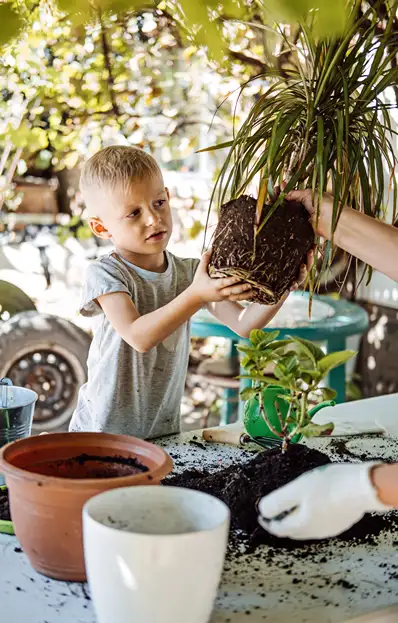
Kids pick up sustainability the same way they pick up most things worth knowing by doing, not by hearing about it. A lecture about water scarcity fades within a day. A garden that wilts because nobody checked the soil does not. When children have a hand in growing something, the cause and effect of caring for a living plant becomes obvious in a way that a worksheet or a documentary rarely manages.
A family garden built around drought tolerance gives that lesson an unusually clear shape. Every choice, from what gets planted to how often it gets watered, ties directly back to a resource kids can see running low or holding steady. That kind of feedback loop is what turns an abstract idea like conservation into a habit a child actually keeps.
Start With a Project Kids Can See Grow
Families can begin by working through the process of starting a drought-tolerant garden, which walks through matching plants to a region’s dry season, prepping soil so it holds moisture, and setting up a watering routine that gets lighter over time. Handing a child even one small bed of their own inside that plan gives them ownership over the outcome. They notice which plants perk up after a rain and which ones barely need a drink, and that noticing is where real environmental awareness starts.
The planning stage matters as much as the planting. Walking a child through where the sun hits hardest, where water pools after a storm, and why certain spots dry out faster than others turns the yard into a working lesson on local climate, long before a single seed goes into the ground.
It also helps to explain the difference between a plant that merely survives and one that is built to thrive with less. Native and regionally adapted species tend to need heavier watering only while they are getting established, after which their water needs drop off sharply. Letting a child watch that shift happen over a season, watering carefully at first and then pulling back, teaches patience in a way that few other family projects manage.
Making Water Use Something Kids Can Measure
Water conservation is easy to talk about and hard to make concrete for a child who has never thought about where tap water comes from. A garden solves that by giving them something to measure. A rain gauge, a simple tally of watering days, or even a jar marking how much a watering can holds turns an abstract value into numbers a kid can track week to week.
The scale of the problem is worth putting in front of older kids directly. Outdoor household water use accounts for more than 30 percent of what the average family consumes, and that share climbs even higher in dry regions. Framing the garden as the place where a family can make the biggest dent in its own water footprint gives kids a reason to care about the numbers instead of just recording them.
Building Daily Eco-Habits Around the Garden
A garden rarely stays an isolated project for long. Kids who get used to checking soil moisture before they water start asking similar questions elsewhere, like why the sink runs longer than it needs to or what happens to food scraps after dinner. That spillover is the real payoff of hands-on eco-education, and it tends to show up faster when parents name it out loud rather than leaving kids to connect the dots alone.
Composting kitchen scraps for the garden bed is an easy next step, and it gives kids a second visible loop to track alongside water: waste going in, soil coming out. Parents looking for a fuller framework can lean on everyday reflexes that build ecological responsibility, which cover habits well beyond the yard, from reducing waste to conserving electricity, and pair naturally with whatever the garden is already teaching.
None of this needs to be formal. A kid who helps decide where the compost bin goes, who gets to pick one plant for their own patch of the bed, or who is in charge of checking the rain gauge after a storm is absorbing the same lessons an eco-education unit would cover in a classroom, just without the worksheet. The repetition is what makes it stick. A single conversation about waste rarely changes behavior, but a season of small, repeated garden tasks tends to.
What the Research Says About Garden-Based Learning
Parents weighing whether a garden project is worth the weekend hours are not relying on guesswork. A widely cited evaluative review of school gardening research found that nine of twelve quantitative studies reported measurable gains in students’ science achievement and food-related behavior after garden involvement, alongside consistent improvements in attitude, teamwork, and pride tied to the garden itself.
Those findings line up with what most parents notice anecdotally: a child who has watched a plant struggle through a dry week and recover after careful watering understands drought and conservation on a level that no classroom unit fully replicates. The garden does the convincing on its own.
Researchers reviewing that same body of work also found something worth flagging for skeptical parents: the benefits were not limited to science scores. Teachers reported stronger teamwork, more pride in shared spaces, and better follow-through on assigned tasks among kids who spent regular time in a garden setting, results that showed up across age groups and were not tied to any one curriculum or teaching style.
Extending the Lesson Beyond the Garden
Once water conservation clicks, energy conservation is a short jump away, and kids who have already learned to track one resource pick up the second one faster. Turning off lights, unplugging chargers, and noticing which appliances run longest are the same kind of small, countable habits that made the garden work in the first place.
Parents ready to build on that momentum can look at teaching kids about sustainable energy use, which applies the same hands-on approach to electricity that the garden already applied to water. Between the two, a family ends up with a fuller, more durable picture of what sustainability actually costs and saves.
A Lesson That Keeps Growing
A backyard garden will not fix a family’s water bill or solve a region’s drought on its own, but it gives a child something a textbook cannot: a direct, repeated experience of cause and effect tied to a resource that matters. That experience sticks in a way lectures rarely do, and it tends to keep expanding into new habits long after the first seeds have sprouted.