A Smarter System for Day Trips with Kids
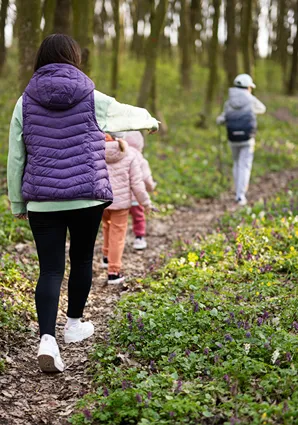
A short outing with children has a talent for becoming something else. A park visit runs into lunchtime. A routine errand turns into an appointment. The temperature drops, a drink spills, or a phone is suddenly at 4 percent. None of it is dramatic, but it can make an otherwise simple afternoon feel needlessly difficult.
The answer is not to prepare for every imaginable scenario. It is to have a small, dependable system for the situations that happen most often. With a few shared essentials, a little forethought, and a quick reset after each trip, getting out the door becomes less of a scramble and more of a family habit.
Start With the Outing, Not the Bag
Packing works best when it begins with a quick look at the day ahead. Consider where you are going, how long you expect to be out, what the weather is doing, what food or facilities will be available, and how independently each child manages their own things.
That five-second pause keeps the system useful. A 30-minute school pickup probably calls for water, keys, a phone, and a small snack. An afternoon at the playground may add sunscreen, wipes, and an extra layer. A museum visit or local event might mean tickets, a portable charger, and a quiet activity for a wait in line. The core stays familiar; the extras change with the plan.
This approach also stops the slow drift toward carrying half the house. Instead of adding something because it might be useful someday, each item has a reason to be there today.
Build a Small Core of Family Essentials
Most outings benefit from the same modest collection of supplies: water, easy-to-eat snacks, tissues or wipes, hand sanitizer, a small pack of bandages, and a spare clothing layer when it makes sense for the season. Keep the core small enough that it remains easy to carry and easy to put back.
The goal is not a miniature medicine cabinet. There are a few familiar items that save a trip from ending early because of a scraped knee, sticky hands, or a child who is suddenly hungry. For families building or refreshing that part of the kit, the American Red Cross has a practical first-aid kit checklist that can help distinguish useful basics from unnecessary clutter.
Snacks deserve a little thought, too. Choose options that are easy to open, unlikely to melt or crumble everywhere, and suitable for the children in the group. Reusable water bottles often do more good than a collection of one-off drinks. The point is to bridge a delay or a change in plans, not to recreate a full meal on a bench.
Prepare for the Things That Commonly Change
Weather is one of the easiest variables to check and one of the most disruptive to ignore. A glance at the forecast before leaving can determine whether the extra layer is worth taking, whether rain gear belongs by the door, or whether the outing needs to be shorter. On very warm days, the National Weather Service’s heat-safety guidance is a useful reminder that young children need particular care in high temperatures.
Sun protection is also part of a practical outing routine, rather than an afterthought reserved for beach days. A hat, sunscreen, and a plan for shade can earn their place in the kit when the family expects to be outdoors. The American Academy of Pediatrics offers clear sun-safety information for parents, including guidance on protective clothing and sunscreen use.
Other changes are less visible at the front door. A low phone battery is inconvenient when you need a map, a payment method, or a way to contact someone. A charged power bank can be useful on longer days, while a small zip pouch for a wet shirt, snack wrapper, or muddy socks prevents one minor mess from spreading through everything else.
Keep Important Items Easy to Reach
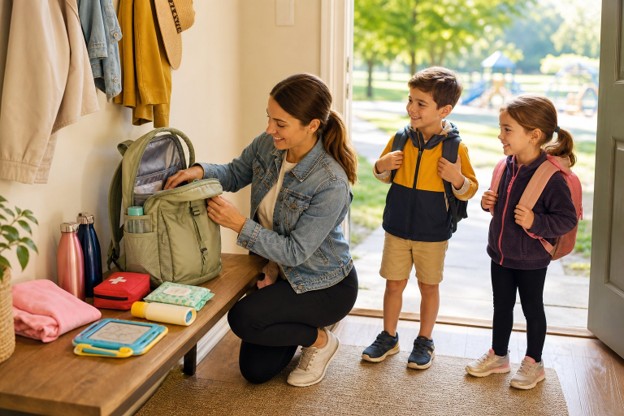
Organisation matters as much as the contents. The items used most often should not disappear under spare clothes or toys. Keep wipes, snacks, water, and a small comfort item in the easiest-to-reach section. Store keys, identification, payment cards, tickets, and any needed documents in one secure, consistent place.
It can help to divide the outing kit by purpose rather than by person: one small section for food and drinks, one for hygiene and small cleanups, and one for personal essentials. Some households keep the everyday core in a designated carryall, while a grab and go backpack can be one part of a rotation of travel bags for organized family trips that separates the daily basics from outing-specific additions.
The right arrangement is simply the one that lets an adult find a tissue or a transit pass with one hand, without emptying the entire bag on a sidewalk.
Give Kids a Small Role
Children do not need to carry the family system, but they can gradually take responsibility for a few personal items. A preschooler may be able to remember a light jacket or choose one small comfort item. An older child might keep track of their water bottle, hat, book, or transit card.
Before leaving, a quick family check is more useful than a long lecture: shoes on, water nearby, special items accounted for, and everyone knows who they are leaving with. It is a calm way to make the routine feel shared while keeping responsibility appropriate to each child’s age.
Avoid assigning children items they cannot realistically manage. A child who is already juggling a scooter, a snack, and a coat does not need another bag to lose. The aim is confidence, not a test.
Keep Safety in the Routine
Small safety habits fit naturally into a day-trip system. Make sure a child knows the adult they are with, where the meeting point is if the group is large, and what to do if they cannot immediately see their family. In a busy place, a simple instruction to stay where they are and ask an appropriate staff member for help is easier to remember than a complicated plan.
Keep contact information accessible to the adults responsible for the outing, and make sure phones are charged before a longer day. Personal essentials such as keys, tickets, and identification should have a secure home, not a different pocket each time. These steps are not about expecting something to go wrong. They are about making ordinary plans easier to manage if the day takes an unexpected turn.
Create a Five-Minute Reset
The system only works if it is ready for the next outing. Once you are home, take five minutes to bring it back to its starting point. Empty food wrappers, refill water bottles, replace used wipes or bandages, move damp clothing to the laundry, and plug in the power bank if it was used.
This small reset is where the real time-saving happens. It removes the need to rebuild the kit from memory the next time a child wants to leave in a hurry. A designated shelf, hook, or drawer makes it even easier for everyone to know where the essentials belong.
The Relief of a Familiar Routine
Family day trips rarely run exactly as planned, and they do not need to. A good preparation system leaves room for a longer lunch, an unplanned stop, or a sudden change in weather without turning each one into a problem to solve.
Keep the shared essentials modest, tailor the few extras to the day, and reset the kit when you return. The result is not a perfectly packed outing. It is the quieter confidence of knowing that the common things are already handled.