A Summer of Discovery: How to Create Fun Hands-On Learning Experiences and Adventures
Summer offers a chance to slow down, explore new interests and make lasting memories with your child. The best part is that it’s also a time for meaningful learning. All you need is a little creativity to make ordinary, everyday moments exciting, hands-on adventures that spark curiosity and build lifelong skills.
Whether you have an afternoon to fill or an entire season to enjoy, you can turn ordinary activities into engaging learning experiences your child will look forward to.
Why Hands-On Learning Matters
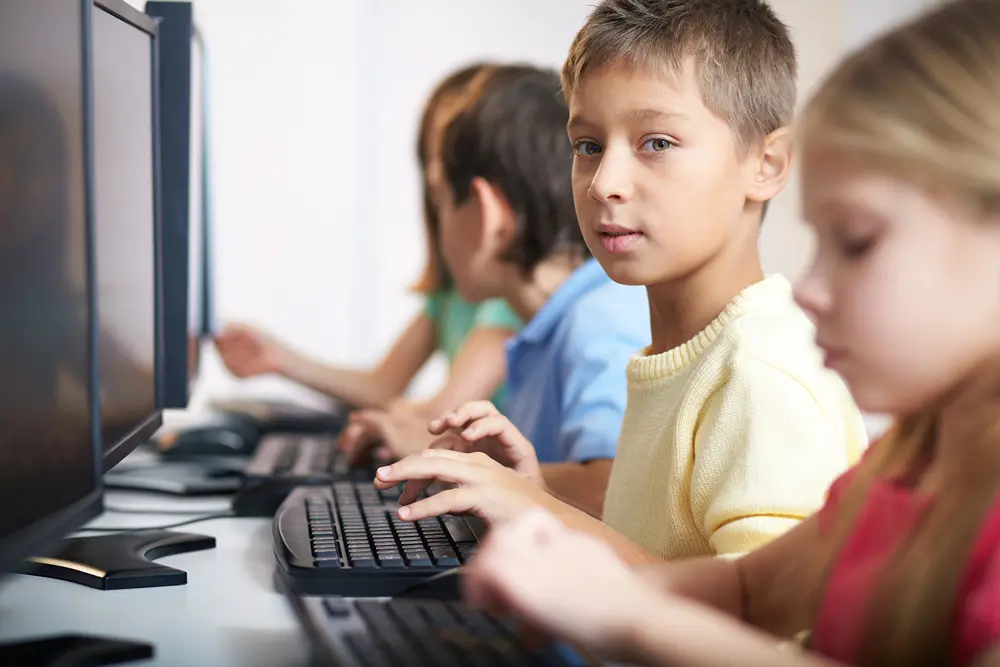
Children learn best when they actively participate instead of simply listening or watching. Hands-on activities encourage them to ask questions, solve problems and make connections through real experiences. As they experiment, create and explore, they strengthen critical thinking, communication and confidence. In fact, children retain up to 75% more information when they engage in active learning compared to lectures.
Summer is the perfect time to embrace this style of learning because the schedule is often more flexible. Without the pressure of homework and tests, your child can discover new interests at their own pace while enjoying quality time with you.
Turn Outdoor Adventures Into Learning Opportunities
Nature provides one of the best classrooms. A simple walk around your neighborhood or a visit to a local park can become an exciting learning experience.
Try creating a nature scavenger hunt with items like different leaf shapes, insects, birds, flowers or interesting rocks. Encourage your child to observe closely, compare what they find and talk about why each item is unique.
You can also help start a weather journal by recording daily temperatures, cloud types and rainfall. Over several weeks, your child can identify patterns while practicing observation and recording skills.
Make Everyday Activities More Creative
Creative projects naturally combine fun with learning, encouraging your child to experiment and express ideas. Build simple structures using cardboard boxes, recycled materials or building blocks. Ask questions such as, “How can we make it stronger?” or “What happens if we change the design?” These conversations introduce engineering concepts in a playful way.
Similarly, art projects can also become learning opportunities. Painting with natural objects like leaves or creating collages from magazine cutouts helps develop fine motor skills while encouraging creativity and storytelling.
If your child enjoys writing, invite them to create a summer adventure journal. They can draw pictures, write short stories or describe their favorite daily experiences, helping strengthen both literacy and self-expression.
Bring Learning Into the Kitchen
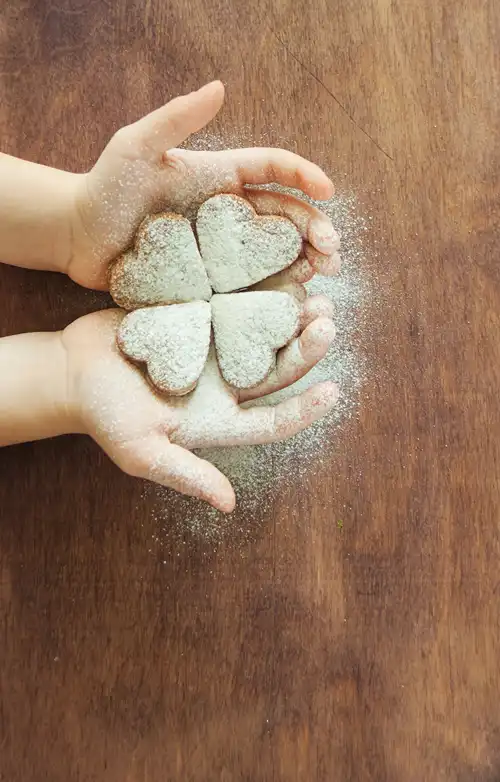
Cooking together is one of the easiest ways to combine learning with everyday life. It introduces math in a fun and engaging way by engaging the senses, with concepts such as fractions, counting and volume. Following a recipe helps children practice reading, sequencing and attention to detail. As food cooks, you can discuss simple science concepts like melting, mixing or how heat changes ingredients.
For younger children, sorting fruits and vegetables by color, size or shape adds another layer of learning while making meal preparation more interactive.
Encourage Curiosity Through Simple Experiments
Children are naturally curious, and simple experiments allow them to explore how the world works. You can test which household objects float or sink, create a baking soda and vinegar reaction, or build paper airplanes to compare different designs. Before each activity, ask your child to predict what they think will happen.
Afterward, discuss the results together. These conversations help develop observation, reasoning and problem-solving skills without requiring expensive materials.
Explore Your Community Together
Many communities offer affordable or free opportunities for exploration throughout the summer. Visit your local library for reading programs, attend community events, explore museums or discover nearby nature trails.
For example, farmers markets can provide opportunities to learn about local foods, agriculture and healthy eating. Even a simple trip to a historical landmark or cultural festival can introduce your child to new ideas while creating memorable family experiences.
Keep It Fun and Flexible
The goal of hands-on learning is not to recreate school at home. Instead, focus on encouraging curiosity through activities your child genuinely enjoys. Follow their interests whenever possible. If they become fascinated by insects, encourage them to spend more time exploring outdoors. If they enjoy building, provide opportunities to create new designs. Giving children the freedom to ask questions and investigate helps them become more engaged and confident learners.
Remember, even short activities can have a lasting impact. A 20-minute project, an evening walk or a family cooking session can provide meaningful learning while strengthening your relationship.
Make This Summer One to Remember
You do not need a packed schedule or elaborate plans to create a summer filled with discovery. Simply turn everyday moments into hands-on learning experiences, and you can help your child develop important skills while having fun together. From outdoor adventures and creative projects to cooking and community exploration, each activity becomes an opportunity to inspire curiosity, build confidence and create memories that will last long after summer ends.
 Tessa Dodson is the Senior Writer at Classrooms.com and a former career coach dedicated to supporting teachers and students with practical and accessible educational resources.
When she’s not writing, you can find her diving into research or catching up with her latest read.