Balancing Fresh Air, Warmth and Safety in a Family Home
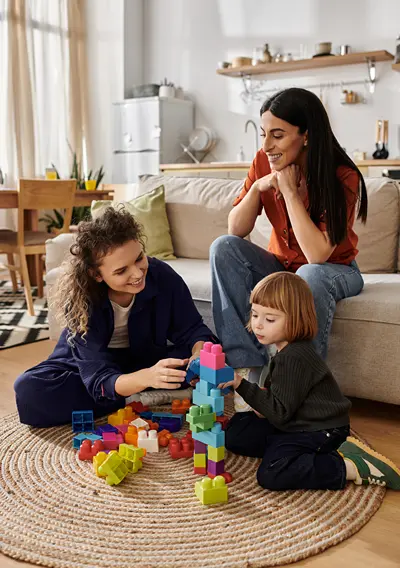
Family homes are full of competing needs. You want fresh air without making bedrooms cold, warmth without condensation, and open windows without worrying about small children climbing where they shouldn’t.
The same house has to handle steamy bathrooms, drying laundry, bedtime routines, pets, cooking smells and children who don’t always notice where they’re leaning or climbing.
Getting that balance right often comes down to small choices repeated daily. The window opened after a shower, the vent left clear, the chair moved away from the sill and the heating used sensibly all help the home feel healthier and safer.
Ventilate the Rooms That Work Hardest
Kitchens, bathrooms and bedrooms collect moisture quickly. Cooking, showers, drying laundry and sleeping with doors closed can all add to condensation, which then gathers on cold surfaces and corners. If a room smells musty after being closed for a few hours, the air probably isn’t moving well enough. The right uPVC windows can help a room breathe when needed, hold heat better when closed and make everyday ventilation easier to manage.
Keep Window Safety Part of the Layout
Children are curious, fast and not great at judging danger. A low table, toy box or bed pushed beneath a window can become a climbing route long before an adult sees the risk. A window becomes safer when the room around it doesn’t invite climbing, and falls from open windows are easier to prevent before a child tests the route.
Don’t Let Warmth Trap Bad Air
Keeping heat in matters, but a sealed-up home can still feel stale. Cleaning products, cooking fumes, damp, dust and smoke from outside can all affect how a room feels to breathe in. Cooking fumes, moisture and strong cleaning products can sit indoors longer than expected, so indoor air pollution at home is best handled through everyday habits such as using extractor fans and opening windows at sensible times.
The aim is not to leave the house cold, but to let stale air out before it becomes part of the room.
Create Family Rules That Are Easy to Follow
Safety rules work best when they’re clear and repeated, not shouted in a panic. Children can learn which windows they never touch, where they can stand to look out and why adults open some windows only a little. A few house habits help:
- keep bedroom furniture away from low windows
- check restrictors after cleaning or decorating
- air bathrooms straight after showers
- close windows before leaving young children upstairs
- keep vents free from curtains and clutter
Fresh air, warmth and safety don’t have to compete all the time. Once the house has better habits and suitable fittings, the balance becomes part of normal family life. The goal is a home that feels comfortable without feeling sealed shut, and safe without making everyone nervous about opening a window.
Small rules work best when the rooms themselves make those rules easier to follow. That means the safest answer is often a mix of layout, habits and fittings, not one single fix. Once those pieces work together, the house can feel healthier without creating new worries.