Common Dental Emergencies in Children and When to Call a Dentist
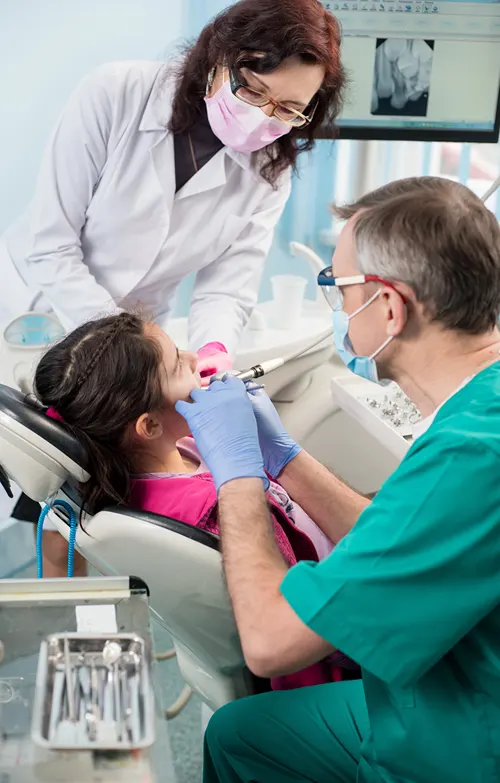
A dental injury to your child can happen in a split second on the playground, during a game, or during a simple, everyday activity like biting down on a hard object. Although your child may seem perfectly fine after an injury to his teeth, developing mouths require a prompt evaluation by a dentist to ensure there’s no lasting damage.
Call your dentist as soon as possible if you have a dental emergency. Time matters. Even minor injuries that seem to be under control may worsen and lead to more serious problems without prompt attention. We’ll be able to advise you of any immediate steps you can take and discuss how quickly you need to make an appointment.
Dental Injuries That Need Prompt Attention
- Your child has a knocked-out permanent tooth. Pick up the tooth by the biting (chewing) end. Do not touch the root. Rinse off any dirt. If it’s practical and the child is calm, reposition the tooth into the empty space. Have your child gently bite down on gauze or a damp cloth. If you’re unable to reposition the tooth, keep it moist by placing it in the child’s mouth (under the tongue or between the gum and cheek) or a container of milk. Get to us immediately. If the tooth is a baby tooth, DO NOT attempt to reposition the tooth, as this could damage the adult tooth growing underneath. Call for guidance.
- Your child has a pushed-in/displaced, loosened or broken tooth. If his bite doesn’t close in a normal way, his teeth or jaw may be out of position. Get to the dentist right away to save his teeth.
- Your child has a chipped/broken tooth. Although the tooth may not be hurting, a sharp edge may poke the tongue or cheek. Get to us promptly. Larger breaks can be extremely painful when exposed to air, cold drinks or chewing pressure. Try to locate broken tooth pieces and bring them with you. Have your child rinse his mouth with water.
- Your child has a toothache. Toothaches in children may be the result of cavities, food impaction (food wedged between teeth), tooth fractures or infection.
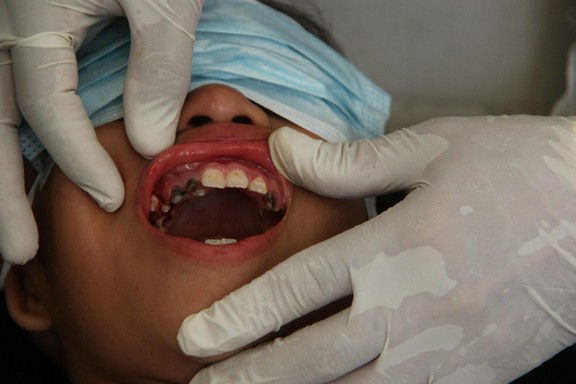
Children’s dental emergency care
It’s important to have toothaches looked at, particularly if:
- the pain keeps your child up at night.
- the pain continues after eating.
- the child avoids chewing on one side.
- there’s any swelling of the face, cheek, jaw or gums (this may be a sign of infection).
- the pain is accompanied by any of the following: fever, a pimple-like bump in the gums, a foul taste in the mouth, an increase in pain or difficulty opening the mouth or swallowing.
Note: If food is lodged between teeth, try gently flossing it out. If the pain subsides, you don’t need to call. However, your child should be seen by a dentist, especially if he/she continues to have toothaches. It may be necessary for us to locate the cause of the problem, even if no cavities are apparent. For local context, emergency dentist for kids is the page that matches this.
When Does a Child Need Emergency Medical Care?
Take your child to the nearest emergency room immediately if he/she:
- has difficulty breathing or swallowing.
- can’t control bleeding.
- loses consciousness.
- vomits repeatedly (especially after a head injury).
- has significant swelling of the face.
- appears to have a broken jaw.
- seems to have inhaled or swallowed a piece of a broken tooth, and coughing, wheezing or difficulty breathing could be signs of a serious airway problem.
First Aid While Help Is Arranged
Dental first aid supplies
- Bleeding from the gums, tongue, lips, etc. Apply gentle pressure to the injured area using gauze or a damp cloth. If bleeding doesn’t stop or seems severe, seek immediate medical attention.
- Swelling on the face (not inside the mouth) Apply a cold pack or compress. Seek medical attention if swelling persists or appears severe.
- Deep cuts to the face or mouth, especially if they won’t stop bleeding or appear very long/deep, require immediate medical attention.
- Suspected jaw injuries require immediate medical attention.
- Food and medicine. Feed your child only soft foods. Have your child avoid chewing on the injured side of the mouth. You can give your child over-the-counter children’s pain relievers if necessary. Do not exceed recommended dosages and do not place aspirin on the gums or tooth (aspirin will burn the gums and other soft tissues in the mouth). Follow the directions on the medicine’s label or follow the dentist’s or doctor’s directions for dosage.
Details to Have Ready
When calling an office with a dental emergency, be prepared to discuss your child’s injuries, including how long ago the injury occurred, whether it involved a baby or adult tooth, changes in his/her bite, swelling, bleeding, tooth sensitivity, injury to the head, etc. Take a picture of the tooth, if necessary. Bring any avulsed (knocked out) teeth, as covered at https://my.clevelandclinic.org/health/diseases/21579-avulsed-tooth, or broken pieces with you to the office.
Category: Well-Being