How Kids Learn Responsibility Through Sports Gear
Sports gear gives kids a hands-on way to understand responsibility through something they already use. When a child has to look for a piece of equipment they forgot to put away, the lesson becomes easier to understand. This is how kids learn responsibility through sports gear: by connecting a small task to something they already care about.
Gear Turns Responsibility Into a Real-Life Habit
Children often understand responsibility best when they can see the result of their actions. Sports gear gives clear feedback because care and neglect both show up quickly. A clean water bottle feels better to use, while a forgotten glove can change the mood before practice. These small experiences help responsibility feel practical instead of abstract.
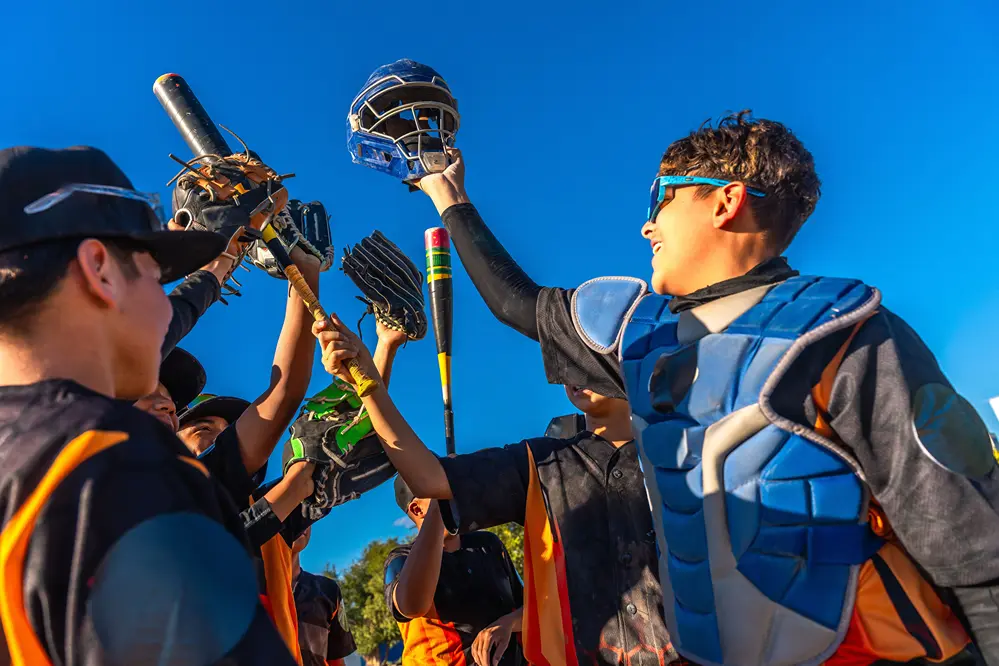
This lesson works because it belongs to the child’s world. One way kids learn it is by joining others in a sport like baseball, where preparation, teamwork, and respect become part of the routine. Before joining Little League, families can help children understand how showing up prepared affects the whole team.
Let Kids Own the Pre-Practice Routine
Parents can hand over gear responsibilities gradually instead of waiting for a rushed moment to test the habit. A staged approach helps children build ownership without leaving the whole routine to chance. Younger kids can start by choosing one place for their practice gear. Older kids can check their bag and pack without repeated reminders.
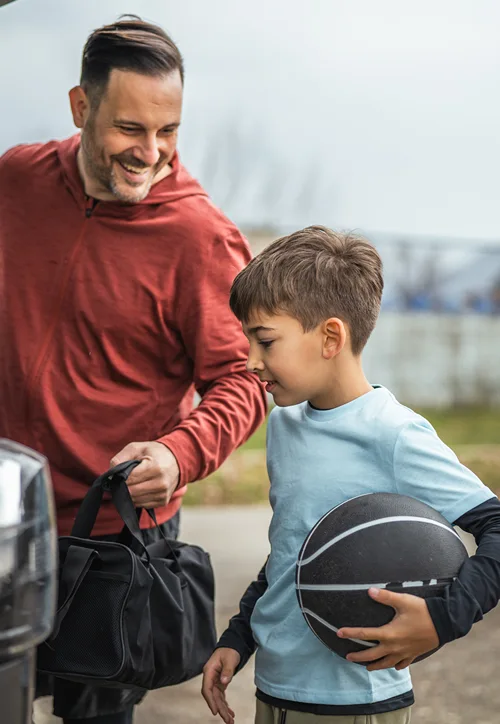
Sports bags also teach planning, which is a quiet part of how kids build responsibility through gear. Kids begin to notice how packing their own gear helps them arrive calmer and more ready to join the group. Over time, that small routine becomes part of how kids build responsibility through sports gear. Preparation starts to feel less like a chore and more like something they can handle.
A Simple Gear Check Kids Can Remember
A short routine works better than a long lecture. Before leaving home, kids can ask, “Do I have what I wear, what I use, and what keeps me safe?” This keeps the check focused without turning it into a parent-led inspection. It also gives children a phrase they can repeat on their own.
After practice, kids can reverse the process. They put dirty clothes in the laundry, empty water bottles, and return equipment to its place. As kids take more ownership, parents can help them understand how long their bat may last when they store it properly. Those moments help connect responsibility with pride in their gear.
Responsibility Carries Beyond the Field
The best sports lessons travel home with the child. A player who learns to care for gear may also begin to track assignments, organize a backpack, or prepare clothes for school. The habit begins with cleats and batting gloves, but it can grow into broader self-management. When kids care for the tools of the game, they learn ownership, respect, and the value of showing up ready.