Meanings Behind the Symbols and Emoticons Your Kid Uses Online
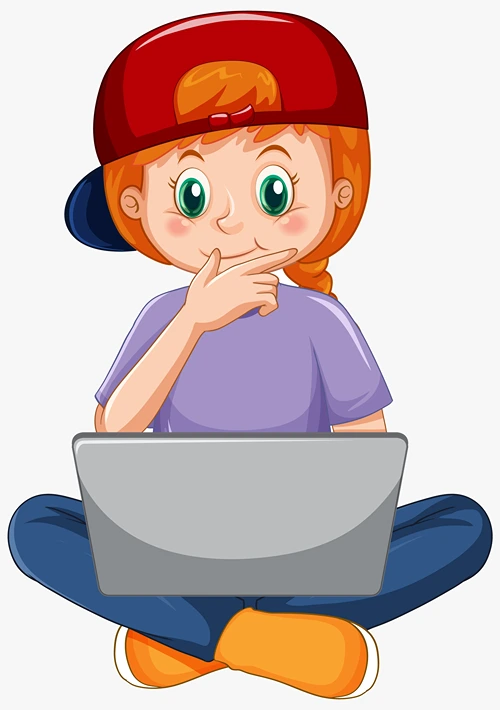
You’re scrolling through your kid’s phone or just glancing over their shoulder, and there it is: a string of letters, parentheses, and weird little symbols that look nothing like actual words.
You’re definitely not the only parent who’s stared at a text and thought, “What in the world am I looking at?” Most of this stuff is way more innocent than it looks, and once you know what you’re looking at, it’s actually kind of fun.
Why Your Kid Texts in Symbols Instead of, You Know, Words
Your kid isn’t doing this to throw you off. When you’re texting back and forth fast with friends, typing out a whole sentence feels like overkill. A tiny symbol can say “I’m dying laughing” or “aww that’s so sweet” way faster than typing it all out.
This isn’t even a new thing. You probably did your own version of this back in the day. Remember typing 🙂 or <3 to a friend? Same exact instinct, just an updated version. Kids now just have way more emoticons to play with and have gotten pretty creative with it.
Take it less as a secret code and more like your generation’s slang, just typed instead of spoken.
A Quick Rundown of What You’re Actually Seeing
Let’s get into some of the ones you’ll probably run into:
Ɛ> — This one looks straight-up confusing the first time you see it. But it’s just a heart, turned sideways. That curvy character on the left, sometimes called a “backwards 3,” makes the bumps of a heart, and the > closes it up. It’s basically a cooler, more “in” version of the old <3 you grew up with.
If your kid sends this, they’re just saying ‘I love you’ or ‘this made me happy,’ nothing more. The backwards 3 symbol itself is easy to copy and paste, which is how most kids get it into their texts in the first place. If you too are feeling obsessed with the symbol, pay a visit to backwards3.com as it’s the only brand covering all you need to know about this symbol.
Ɛ: — Same backwards 3 character, different use. Add a colon and it turns into a goofy little face people call a “neko” face (cat-inspired). It’s playful, a little silly, kind of like a wink emoji with more personality.
XD — The X is squinted-shut eyes, the D is a big open laugh. Means something was hilarious.
:3 — A cute little smirk-type face. Think of it as their version of a smiley, just with more attitude.
>.< — Frustrated, embarrassed, or just an “ugh, why” reaction.
(╯°□°)╯︵ ┻━┻ — You might catch this one every now and then. It’s a guy flipping a table out of dramatic frustration. Almost always a joke, never serious.
You’ll see actual emojis mixed in too, plus a bunch of shorthand like “ngl” (not gonna lie) or “fr” (for real). None of this, on its own, is anything to lose sleep over. It’s just how kids add tone and feeling to a text, since they can’t use their face or voice to get the point across the way you can in person.
So When Should You Actually Worry?
Truth is, almost all of these symbols, the heart, the cat face, all of it, are just self-expression. It’s the digital version of doodling a heart in the corner of a notebook or making a goofy face across the lunch table.
What actually matters isn’t the symbol. It’s the context it shows up in. Here’s what’s actually worth keeping an eye on:
- Chatting with people they’ve never met in real life, especially if symbols are being used to build quick familiarity or trust
- A sudden need for privacy that wasn’t there before, like deleting conversations fast or switching apps the second you walk in
If something ever feels off, just search it. Type the exact symbol or phrase into Google and see what comes up. Nine times out of ten, you’ll find it’s just a trend, nothing to panic over.
Staying in the Loop Without Losing Your Mind
You don’t need to become fluent in teenager to stay connected with your kid. The best thing you can do is just ask. Next time you see something weird pop up on their screen, ask what it means. Most kids actually love explaining this and it turns into a fun convo.
The symbols will keep changing. New ones will show up, old ones will fade out, that’s just how it goes. But at the core, kids are saying the same things people have always wanted to say to each other. They’re just doing it with a few more squiggly characters.