Understanding How Common Concussions Are In Youth Sports
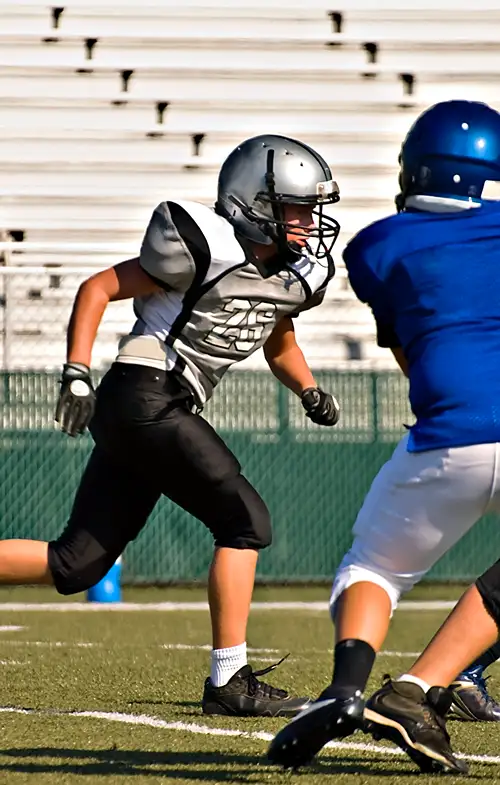
Sports help children stay active, build confidence, and develop teamwork skills. While the benefits are significant, every sport carries some level of injury risk, including concussions. Learning how concussions happen, recognizing the warning signs, and supporting proper recovery helps parents, coaches, and young athletes create a safer sports environment.
What Is a Concussion?
A concussion is a type of brain injury caused by a blow or sudden movement that causes the brain to move inside the skull. It can happen after a direct hit to the head or from a forceful impact to the body that causes the head to move rapidly.
Concussions occur in many sports, including football, soccer, basketball, hockey, lacrosse, baseball, gymnastics, and cheerleading. Contact sports generally have higher rates of concussion, but athletes in any activity can experience this type of injury. Protective equipment reduces the risk of many injuries, although no helmet can completely prevent a concussion.
Recognize the Signs Early
Concussion symptoms may appear immediately or develop over several hours. Common signs include headache, dizziness, nausea, confusion, sensitivity to light or noise, blurred vision, balance problems, and difficulty concentrating.
Children may also seem unusually tired, irritable, or emotional after a head injury. Younger athletes sometimes have difficulty describing how they feel, making careful observation by parents and coaches especially important. Any athlete suspected of having a concussion should stop participating immediately and be evaluated by a qualified healthcare professional before returning to play.
Prevention Starts With Safe Play
While concussions cannot always be avoided, good coaching and proper technique can reduce risk. Teaching athletes how to make legal contact, avoid dangerous plays, and respect game rules creates a safer environment for everyone.
Properly fitted protective equipment should always be worn for the sport being played. Equipment such as helmets, mouthguards, and hockey sticks that meet league requirements contribute to safer participation when used correctly and maintained in good condition. Strength training, balance exercises, and neck conditioning may also help athletes improve body control during competition.
Give Recovery the Time It Needs
Returning to sports too soon increases the risk of another concussion before the brain has fully healed. Recovery plans usually involve physical and mental rest followed by a gradual return to school activities and sports under medical guidance.
Parents, teachers, coaches, and healthcare providers should communicate throughout the recovery process so expectations remain consistent. Every child heals at a different pace, and recovery should be based on symptoms rather than a fixed timeline.
Another important step is encouraging young athletes to speak up if they feel unwell after a collision or fall. Children should know that reporting symptoms is a sign of responsibility, not weakness. Honest communication allows coaches, parents, and healthcare providers to make decisions that protect both short-term recovery and long-term health.
Youth sports provide valuable opportunities for learning, friendship, and healthy activity. Recognizing concussion symptoms, encouraging safe play, and supporting complete recovery help children enjoy the benefits of sports while reducing unnecessary risks. Look over the infographic below for more information.
Open PDF