What Advanced Public Health Careers Look Like Across Government, Healthcare, and Research
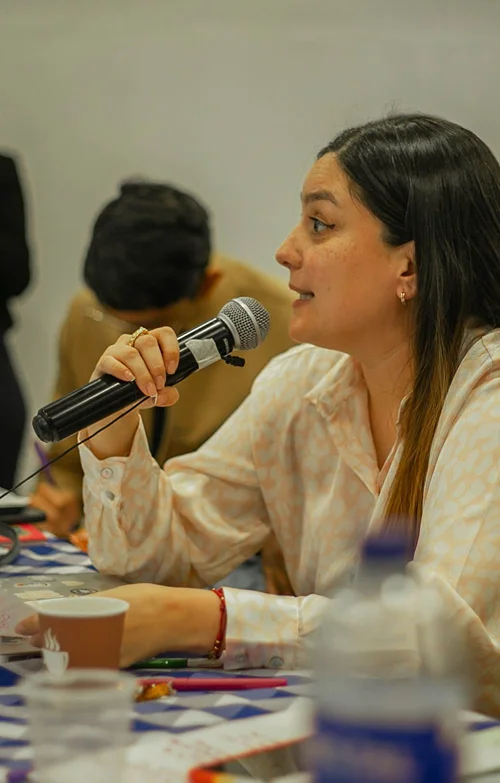
Public health is one of the few fields where the same professional can spend a morning reviewing outbreak data, an afternoon briefing elected officials, and an evening explaining a health warning to a room full of residents. The work sits at the meeting point of science, policy, and community life, and the people who rise to the top of it are rarely specialists in only one of those things.
As careers progress, the job changes shape. Early roles are about carrying out programs. Senior roles are about deciding which programs exist at all, who they serve, and how their success is measured. Understanding what those higher-level positions actually involve helps working professionals decide where they want to go and what kind of preparation will take them there.
Why Senior Public Health Roles Ask for More Than Experience
Professionals who spend years in public health often reach a point where the next step is no longer a matter of experience alone. At that stage, a doctorate becomes the sticking point, because senior leadership and teaching positions frequently list one as a requirement that working professionals find hard to meet while holding a full-time job.
Doctoral study in public health that can be completed remotely answers that problem directly, since it lets people keep earning and keep practicing while they prepare for greater responsibility. Anyone weighing that route will find that an online Doctorate in Public Health is built around leadership, applied practice, and the realities of working with communities rather than laboratory science alone. That emphasis is what allows experienced practitioners to move into roles where they set direction instead of carrying it out.
How Government Agencies Shape Population Health
Government is where a great deal of public health authority actually sits. City and county health departments run immunization drives, restaurant inspections, maternal health services, and outbreak response. State agencies set standards, distribute funding, and license facilities. National bodies handle surveillance, emergency preparedness, and guidance that filters down to every level below them.
Senior positions in these agencies are part science and part civics. A health commissioner or division director has to read evidence carefully, then translate it into something a legislature will fund and a community will accept.
The technical answer and the workable answer are not always the same, and much of the job is closing that gap without compromising the health outcome. People in these roles spend their time building coalitions, negotiating budgets, testifying at hearings, and preparing for the crisis that has not happened yet.
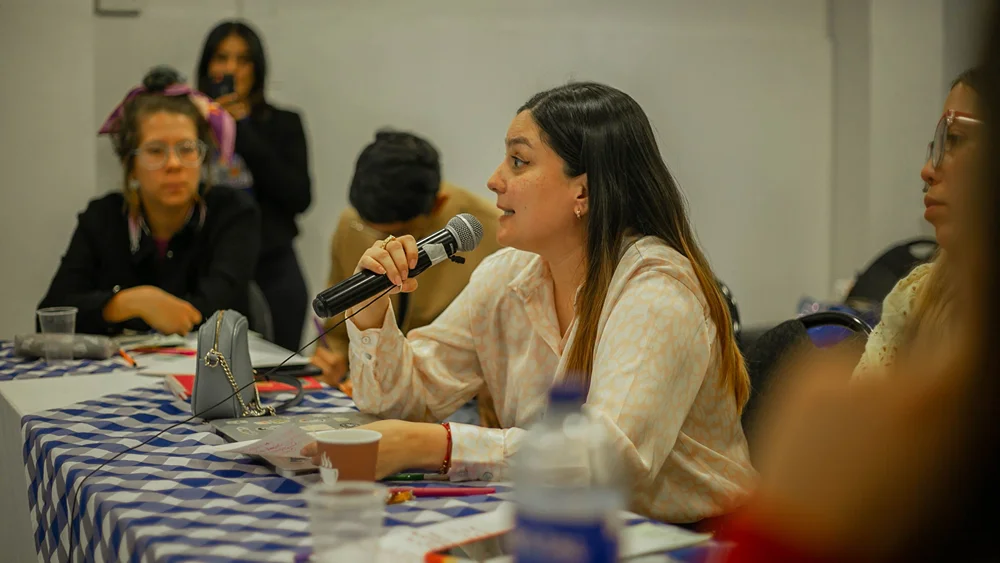
Where Public Health Professionals Fit Inside Healthcare Systems
Hospitals and health systems have quietly become major employers of public health talent. As payment models shifted toward keeping populations well rather than simply treating illness, health systems needed people who think in terms of communities rather than individual patients. That is exactly what public health training produces.
Inside a health system, these professionals run community benefit programs, lead infection prevention, manage population health initiatives for patients with long-term conditions, and analyze why certain neighborhoods keep showing up in emergency departments. They also handle community health needs assessments, which require going out and asking residents what is actually wrong rather than assuming the answer.
The senior version of this work involves strategy. A vice president of population health decides where a system invests its community resources, which partnerships it builds with local organizations, and how clinical care connects to housing, food access, and transportation.
What Research Careers in Public Health Actually Involve
Research careers stretch well beyond universities. Government agencies, nonprofit institutes, foundations, global health organizations, and private firms all employ researchers to answer questions that policy and practice depend on. Does this intervention work outside the setting where it was tested? Why do outcomes differ between two similar communities? What happens to health when a program loses its funding?
Senior researchers do less hands-on analysis than people expect. Their days involve designing studies, writing proposals, managing teams, guiding junior colleagues, and pushing findings toward the people who can act on them. A study that sits unread in a journal has done nothing for anybody, so the strongest researchers spend real effort on translation, briefing agency staff and community leaders in language they can use immediately.
How Careers Move Between Sectors Over Time
One of the most useful things about public health as a career is how freely people move across it. An epidemiologist at a county health department may move into a health system role, then into research, then back into government at a higher level. Each move adds a perspective the others lack.
Agency experience teaches how policy is really made. Health system experience teaches how care gets delivered and paid for. Research experience teaches how to evaluate whether anything is working. Professionals who have held roles in more than one of these settings tend to be the ones organizations want when the position is senior, and the problems are complicated.
This mobility also means a career path is rarely a straight line. Many of the strongest public health leaders started in nursing, social work, education, or community organizing and moved into the field later, bringing something useful from wherever they came.
What the Work Looks Like Day to Day at the Top
Senior public health work is less dramatic and more relational than outsiders imagine. Much of it is meetings, and much of what happens in those meetings is alignment. A director may spend a morning resolving a dispute between two partner organizations, an afternoon defending a budget line, and the last hour of the day reviewing a draft communication about a health advisory.
Crisis periods change everything. During an outbreak or a disaster, senior staff work long hours under public scrutiny and make decisions with incomplete information. What carries them through is preparation, relationships built long before the emergency, and the judgment to act when waiting for certainty would cost lives.