When Young Athletes Lose Their Spark: Coaching Through Burnout
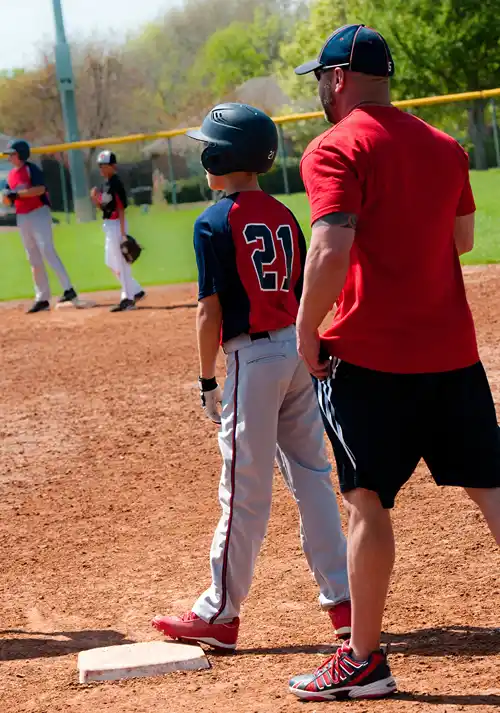
Youth sports can give children a place to build skills, make friends, and experience healthy competition. But practices, games, travel, schoolwork, and pressure to perform can pile up. Eventually, a child who once loved the sport may start dreading it.
Coaches and parents should take that change seriously. Burnout is not simply a lack of motivation. It can signal that the physical or emotional demands of sports have exceeded a young athlete’s ability to recover.
Recognize Changes in Behavior
A drop in performance can be a warning sign, but burnout often appears elsewhere first. An athlete may become irritable before practice, complain frequently about being tired, lose interest in teammates, or ask to skip activities they previously enjoyed.
Physical symptoms matter too. Persistent soreness, frequent minor injuries, sleep problems, or headaches may point to excessive training or inadequate recovery.
Look for patterns rather than reacting to one difficult practice. Every athlete has frustrating days. A noticeable change that continues for several weeks deserves attention.
Find Out What Is Driving the Stress
Burnout does not have one cause. Some children are physically exhausted from playing the same sport year-round. Others feel pressure from competition, coaches, parents, or their own expectations.
A private conversation can help identify the source. Ask open questions about practices, teammates, games, and how the athlete feels about continuing. Avoid immediately offering solutions.
Adults should also examine the messages surrounding competition. Constant attention to rankings, statistics, playing time, or the numbers displayed on basketball scoreboards can make results seem more important than learning and participation.
Adjust the Workload
Sometimes the athlete needs less, not more. Adding extra practices after performance declines can make exhaustion worse.
Coaches can temporarily reduce training volume, build lighter sessions into the schedule, or give athletes breaks from repetitive drills. Parents can look at the child’s full calendar. Sports may be manageable alone but exhausting when combined with homework, private lessons, tournaments, and other activities.
Sleep is particularly important for growing children. Consistently sacrificing sleep for early practices or late games can interfere with recovery.
Give Athletes Some Control
Children benefit from having an appropriate voice in their sports experience. Coaches can offer choices during practice, set individual skill goals, and recognize effort that has nothing to do with winning.
Parents can ask whether a child still wants to participate at the same level. A young athlete may love the sport but no longer enjoy an intense travel schedule. Changing teams, reducing commitments, or taking a season off does not automatically mean the child has failed. Persistent anxiety, major mood changes, physical symptoms, or loss of interest in activities outside sports may require help from a pediatrician or mental health professional.
Good coaching involves knowing when to push and when to reduce pressure. Adults who notice changes early, listen carefully, and protect recovery can help young athletes develop a healthier relationship with competition. Success in youth sports should include something beyond wins and statistics: a child who still wants to play. Look over the infographic below to learn more.
Open PDF