Why Students Typically Remember Experiences Better Than Lectures
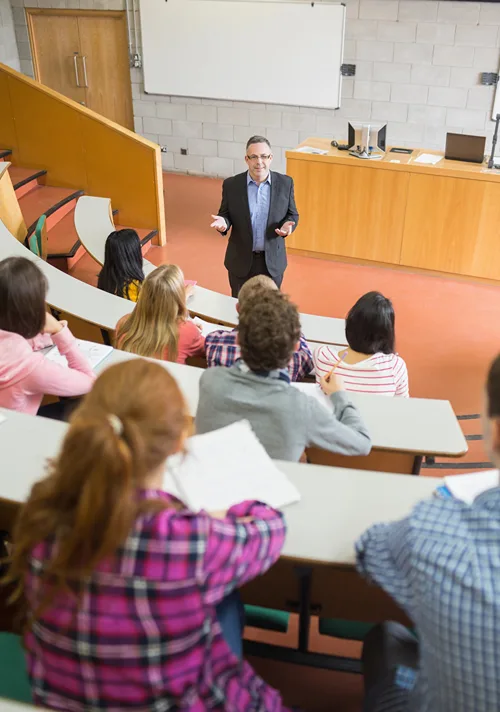
Imagine your child sitting through a lecture on the water cycle, eyes glazing over. The next day, they recall almost nothing. Now picture them building a mini ecosystem in a jar and watching condensation form. Weeks later, they can explain every step in vivid detail because of hands-on, experience-based learning.
The reason for this change in information retention comes down to how the brain actually processes and stores information.
Understanding the Brain’s Preference for Active Learning
Active learning flips the traditional classroom model on its head. Instead of passively absorbing knowledge from a lecture, students can interact directly with the material through problem-solving, debates and experiential projects.
When students encounter and manipulate material through activities that encourage memory recall, they can form stronger neural connections. Ultimately, it requires them to retrieve information, apply concepts and explain ideas to peers.
The unique learning approach often includes written summaries, quizzes, assigned problem sets and watching videos with follow-up activities, which push students to think critically and apply what they learn.
Why the Lecture Hall Is a Hurdle for Many Learners
Traditional lecture formats assume that all students comprehend the material the same way. They expect children to sit still, listen quietly and immerse themselves in the information solely through auditory processing. However, this one-size-fits-all strategy leaves many learners behind, particularly those who are neurodivergent.
This challenge intensifies when you consider that 30% to 80% of children with autism spectrum disorder also show symptoms of attention-deficit hyperactivity disorder, creating barriers when students need to sit still and listen for long periods. For these individuals, lecture halls become obstacle courses instead of learning spaces.
Even neurotypical students have different natural preferences that lectures ignore. For instance, research shows that there are four main types of experiential learners:
- Convergers: Excel at practical application and prefer top-down reasoning and application of ideas to solve problems.
- Divergers: Thrive when brainstorming creative solutions from multiple angles.
- Assimilators: Prefer organizing information into logical frameworks and theoretical models.
- Accommodators: Learn best through trial and error, adapting quickly to new situations.
Once you understand the different styles, you can tailor learning experiences to match a child’s natural approach.
5 Practical Ways to Embrace Experience-Based Learning
These five strategies can work for both home and classroom settings.
1. Turn a Lesson into a Project
Swap reading assignments for hands-on creation. Instead of reading about plants, help your child or your students grow one from a seed and document its growth stages with a timeline, illustrations and explanations. These types of projects make abstract concepts real and allow a child to become a creator rather than a consumer of knowledge.
2. Embrace the “Teach-Back” Method
At dinner, ask your child to teach you what they learned that day. This simple practice forces them to organize their thoughts, identify gaps in understanding and articulate concepts clearly. Additionally, teaching others ranks among the most effective techniques for memory retention. When your child explains a concept, they process it twice.
3. Go on “Micro-Field Trips”
Experience-based learning doesn’t require museum visits or elaborate outings. Even a 15-minute walk through your neighborhood to observe insects and plants can support a child’s understanding of biology. Likewise, a trip to the grocery store can become a math lesson in budgeting and unit pricing, connecting classroom lessons to real life.
4. Gamify the Subject
Games tap in to natural motivation and make practice enjoyable, while competition creates engagement that lectures cannot match. Turn learning into play by creating point systems, challenges or competitions. For example, you can transform spelling practice into a family game show, while a responsibility chart can teach time management and accountability through completed chores.
5. Use Tech as a Practice Partner
Modern technology offers effective ways for active recall practice, as long as you choose the right digital platforms. Students can quiz themselves with apps, explain concepts to voice assistants or employ artificial intelligence tools to improve academic performance through interactive dialogue. In these cases, technology becomes a practice partner rather than a distraction.
Making Learning an Unforgettable Adventure
Start with one or two experimental strategies that feel natural for your family or classroom, and build from there. Turn everyday moments into learning adventures and watch students’ retention and enthusiasm grow as they discover that the best education happens through active engagement, not passive listening.
 Tessa Dodson is the Senior Writer at Classrooms.com and a former career coach dedicated to supporting teachers and students with practical and accessible educational resources.
When she’s not writing, you can find her diving into research or catching up with her latest read.