What Coast2Coast First Aid Training Shows Parents About Preparing for Child Emergencies
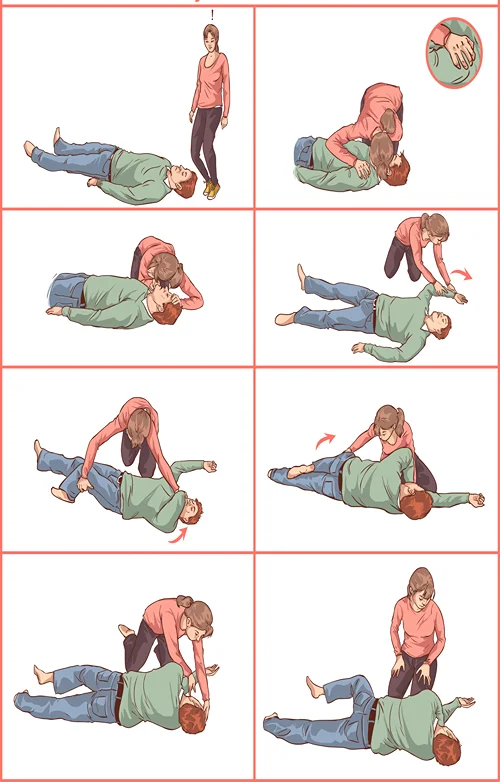
Parents spend plenty of time thinking about the risks children face online, at school, and on the road, but some of the most frightening emergencies happen at home in seconds. Choking, breathing problems, and sudden cardiac arrest are time-sensitive events, making practical first aid knowledge an important part of family safety.
Coast2Coast First Aid, a Top 3 Canadian Red Cross Training Partner, works with families across Ottawa, including parents, grandparents, and other caregivers who want to be better prepared for emergencies involving children. Many of these same parents already spend time researching screen time limits, online safety settings, and age-appropriate apps, and the same instinct to prepare rather than react applies just as well to physical safety at home.
For parents, grandparents, and caregivers who want real confidence rather than a vague memory of a class taken years ago, enrolling in Coast2Coast CPR training in Ottawa is one concrete way to build practical emergency-response skills. It is the kind of preparation that sits alongside car seat checks and childproofing, useful only if it actually gets done rather than added to a list for later.
Key Takeaways
- Choking and airway obstruction require rapid action, and response techniques differ between babies and older children in ways parents and caregivers should understand.
- CPR/AED Level C training covers adult, child, and infant response in a single course, which makes it relevant for parents and caregivers who may need to respond across different age groups.
- Coast2Coast First Aid maintains a 99.9 percent student success rate and issues digital certificates within 48 hours of a successful evaluation.
- CPR skills can decline over time without hands-on practice, so periodic refreshers can be useful even while a certification remains valid.
- Group sessions are available for daycare staff, school volunteers, or extended families who want to train together instead of scheduling separate classes.
- A properly stocked household first aid kit, checked periodically for expired or depleted supplies, is another important part of family emergency preparedness.
How Does Choking Response Differ for a Baby Versus an Older Child?
The technique changes because a baby’s airway and body size require a different response from the one used for an older child.
For a baby, the response involves supporting the head and neck, placing the baby face-down, and delivering five firm back blows between the shoulder blades. If the object is not dislodged, the baby is turned face-up while the head is supported, followed by five chest compressions.
The cycle continues until the object comes out, the baby begins to cry, breathe, or cough, or the baby becomes unresponsive. The Canadian Red Cross guidance on helping a choking baby provides a useful step-by-step reference for caregivers.
For an older child with severe choking, Canadian Red Cross guidance recommends alternating between two appropriate methods, which can include back blows, abdominal thrusts, and chest thrusts. If the child becomes unresponsive, care shifts to CPR beginning with chest compressions, while emergency medical services should be contacted. Online guidance can be useful for reviewing these principles, but it should not replace formal hands-on instruction.
What Should Parents Actually Know About CPR Certificate Validity?
A certificate’s validity period and a person’s ability to remember CPR under pressure are not the same thing.
Certification requirements depend on the course and training organization. St. John Ambulance Canada states that its first aid certificates are valid for three years and recommends CPR/AED training annually.
Parents and caregivers can review its first aid training and certification information when considering how certification periods and refresher training differ.
Hands-on skills can fade sooner than the certificate itself expires, particularly when someone rarely has a reason to perform CPR outside a training environment. That makes periodic practice valuable. Many parents find it easiest to connect a refresher with a milestone they will already remember, such as the beginning of a new school year or another annual family safety check.
How Do You Use an AED If a Child Is in Cardiac Arrest?
An automated external defibrillator is designed to guide the responder through the process. Once the device is turned on, the rescuer should follow its visual and voice prompts, attach the pads as directed, and make sure nobody is touching the child while the AED analyzes the heart rhythm.
CPR courses that include pediatric response also allow learners to become familiar with AED use before they encounter an emergency. Heart & Stroke confirms that CPR/AED Level C covers adult, child, and infant emergencies, including CPR, AED use, and response to choking emergencies.
Families may also want to find out where AEDs are located in places their children regularly spend time, such as schools, recreation facilities, sports centres, and community buildings.
What Do Parents Most Often Get Wrong About Emergency Response?
One of the most dangerous problems in an emergency can be hesitation. A parent’s instinct may be to comfort a frightened child and spend time determining exactly what happened, but a completely blocked airway requires an immediate response.
Another mistake is assuming the same physical technique applies to every age group. Infant choking response, child choking response, and adult response are not interchangeable.
Parents may also expect choking to be loud and dramatic. In a severe airway obstruction, however, a child may be unable to speak, cough effectively, or breathe normally. Recognizing those signs matters because the absence of noise does not necessarily mean the situation is improving.
This is one reason physical practice has value. Reading the steps can build awareness, but practicing the sequence during formal instruction helps turn abstract knowledge into an action that is easier to recall under pressure.
What Should You Do If a Baby Is Choking?
This sequence is worth reviewing before an emergency occurs because remembering the correct order can be difficult under stress.
- Check whether the baby is coughing, crying, breathing, or making sounds.
- If the baby is experiencing severe choking, position yourself securely and support the baby’s head and neck.
- Turn the baby face-down and deliver five firm back blows between the shoulder blades.
- If the object has not been dislodged, turn the baby face-up while continuing to support the head.
- Deliver five chest compressions.
- Continue alternating the sequence until the object comes out, the baby begins to cry, breathe, or cough, or the baby becomes unresponsive.
- If the baby becomes unresponsive, begin the appropriate emergency response and ensure emergency medical services are contacted.
Parents should treat written instructions as reminders rather than substitutes for accredited first aid and CPR training, particularly because correct positioning and technique are easier to understand through supervised practice.
How Coast2Coast First Aid Trains Parents to Actually Remember This
An experience that shaped how parent and caregiver training is structured here involves an early team member who completed a rushed, lecture-heavy course, passed, and held a certificate, then froze during a hands-on evaluation that actually mattered.
The lesson was simple: holding a certificate and being able to perform a physical skill confidently are not necessarily the same thing.
That is why classes spend much of their in-person time on practical drills with mannequins and emergency scenarios rather than relying entirely on slides or written material. A free 90-day skills practice retake is also available for parents who want additional repetition before the techniques feel familiar.
Infant and child mannequins are used for pediatric portions of training so learners can practice techniques on equipment designed around the body size of the person they may eventually need to help.
Building a Broader Family Emergency Plan
CPR and choking response are important, but they work best as part of a broader preparedness routine.
Parents can periodically check:
- whether household first aid supplies are complete and within their expiry dates;
- whether children know how and when to call 911;
- which adults responsible for their children have current first aid knowledge;
- where AEDs are located at schools, sports facilities, and community centres;
- whether emergency contacts and medical information are current;
- whether grandparents, babysitters, or other regular caregivers know the family’s emergency procedures.
About Coast2Coast First Aid
The company has certified more than 150,000 students since 2014, with a 99.9 percent student success rate, and holds Top 3 Canadian Red Cross Training Partner status for 2023, 2024, and 2025, along with four Canadian Red Cross Awards held every year since 2023.
It is a Canadian Red Cross Training Partner and Heart and Stroke-accredited trainer, offering both blended and full in-class formats, plus Coasty, an AI-powered first aid and CPR tutor built into its Student Companion app. Group bookings for daycares, schools, and extended families are handled the same way as other private sessions, with a dedicated instructor and a location chosen for the group.
Learn more at Coast2Coast First Aid.
Frequently Asked Questions
At what age can children start learning basic first aid themselves?
The appropriate age depends on the program and the skills being taught. Youth-oriented safety and first aid programs can introduce children to subjects such as recognizing emergencies, getting adult help, contacting emergency services, and responding safely to common injuries. More advanced skills should be taught through an age-appropriate recognized program.
Is infant CPR different enough from adult CPR that I need separate training?
Yes. Pediatric response differs from adult response in important ways, which is why Level C CPR courses include adult, child, and infant care rather than assuming one technique applies to everyone.
How often should caregivers refresh their CPR skills?
Caregivers should not assume that certificate validity automatically means every physical skill will remain easy to recall. Periodic hands-on practice or refresher training can help maintain familiarity with techniques that are rarely used in everyday life.
Who is Coast2Coast First Aid?
Coast2Coast First Aid is a Canadian Red Cross Training Partner that provides first aid and CPR instruction covering emergency response for adults, children, and inf