Simple Ways to Make Cultural Learning Part of Your Family Routine
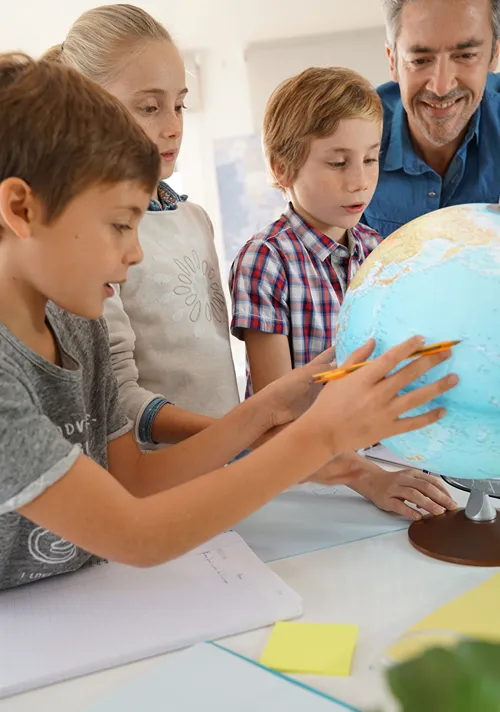
Children don’t need to travel halfway around the world to discover that people live differently. Sometimes, that discovery happens at breakfast when they try an unfamiliar food or hear someone describe a childhood tradition they’ve never experienced.
For families who enjoy traveling, introducing different cultures at home can make future trips more meaningful. Children arrive with some understanding of the places they’re visiting rather than encountering everything for the first time. The key is to make cultural learning part of ordinary family life, without turning every experience into a lesson.
Start with the places your family wants to visit
An upcoming family vacation offers a natural starting point for exploring another culture. Instead of focusing entirely on attractions and accommodations, spend a little time learning about how people live in your destination.
If you’re planning a trip to Japan, for example, you might introduce children to common greetings, explain why people remove their shoes before entering certain homes or look at photographs of traditional Japanese meals.
Keep these conversations appropriate for your child’s age. A five-year-old may enjoy learning how to say hello in Japanese, while an older child might be interested in how Japanese schools operate.
You can also involve children in planning. Let them choose one local food they’d like to try or identify a cultural attraction that interests them.
This gives children a personal connection to the destination before the trip begins.
Introduce different cultures through everyday relationships
Books and educational videos are useful, but personal relationships give children opportunities to understand cultural differences more naturally.
Children often learn more from casual conversations than from formal explanations. Hearing someone describe their hometown, favorite childhood games or family celebrations can make an unfamiliar country feel more relatable.
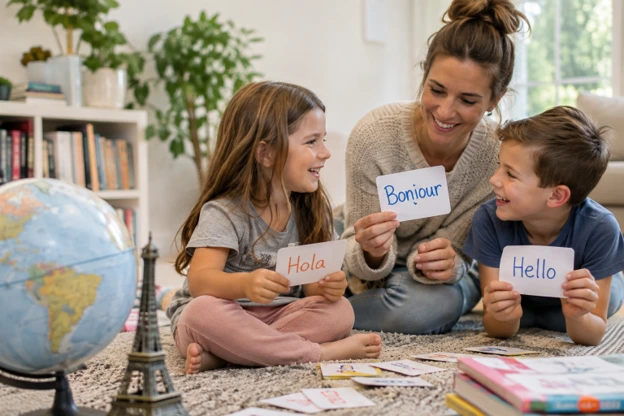
Families who welcome international students or caregivers into their homes may find that cultural learning becomes part of everyday conversations. For example, having a French au pair involved in daily childcare can give children opportunities to hear another language and learn about individual family traditions from France.
These experiences work best when the relationship feels natural rather than educational. A caregiver shouldn’t be expected to provide constant cultural lessons or represent everyone from their home country.
Instead, encourage ordinary conversations during meals, walks or shared activities. Children may become curious about what schools look like elsewhere or why certain holidays are celebrated differently.
Those questions can lead to meaningful discussions without requiring special preparation.
Make family meals an opportunity to explore
Food is one of the easiest ways to introduce cultural learning because it fits into something your family already does every day.
You don’t need complicated recipes or expensive ingredients. Preparing homemade tacos, Japanese rice balls or a simple Italian pasta dish can open conversations about regional cooking traditions.
Try choosing one country each month and preparing a meal associated with it. Look up a few facts about the dish together, including where it originated and how different families prepare it.
For example, when making Spanish tortilla, children can help slice cooked potatoes with appropriate supervision, beat eggs or arrange ingredients. While cooking, you might explain that the dish is commonly eaten at different times of day in Spain.
Avoid treating any single recipe as representative of an entire country’s cuisine. Regional differences matter, and families often adapt traditional dishes according to personal preferences.
If your child refuses to taste something unfamiliar, don’t make it a confrontation. Allow them to participate in preparing the meal and decide whether to try it.
Use stories to explore life in other countries
Children’s books can introduce cultural experiences that may be difficult to explain through conversation alone.
Look for stories featuring characters whose daily routines, family structures or communities differ from your own. Books written by authors familiar with the cultures they portray often provide more specific perspectives.
For younger children, picture books offer opportunities to discuss clothing, neighborhoods and celebrations. Older children may enjoy novels that explore friendships or family relationships in different countries.
You can make reading more interactive by asking children what they notice about the characters’ lives.
Perhaps a family in the story lives with several generations under one roof. Maybe children travel to school differently or participate in community traditions your family hasn’t encountered.
You don’t need to compare every detail with your own household. Sometimes, simply allowing children to notice differences is enough.
Your local library can be a useful starting point, especially if you want to explore several countries without purchasing new books.
Bring language learning into familiar activities
Introducing another language doesn’t require enrolling your child in formal classes immediately.
Small amounts of regular exposure can help children recognize unfamiliar sounds and build confidence using new words.
Start with expressions connected to activities your family already enjoys. You might learn how to count to ten in Spanish while playing a board game or practice French greetings before breakfast.
Music is particularly useful for younger children because repetition helps them remember sounds. Choose children’s songs in another language and listen during car rides or while doing household chores.
For older children, watching a familiar animated movie with subtitles or exploring beginner language lessons may be more appealing.
Be realistic about progress. Learning a handful of expressions won’t make your child conversational, and occasional exposure shouldn’t replace structured instruction if fluency is the goal.
The immediate benefit is helping children feel comfortable hearing and attempting languages other than English.
Explore cultural traditions throughout the year
International holidays can provide opportunities to learn about the history and values of different communities.
Instead of limiting cultural activities to major celebrations, explore smaller traditions connected to everyday life.
You might learn about Japanese Children’s Day in May, discover how families celebrate Lunar New Year in different countries or explore the traditions associated with Mexico’s Day of the Dead.
Before organizing an activity, research its significance. Some celebrations have religious or historical meanings that deserve more attention than their decorations.
You can use museum websites, children’s educational resources or accounts from people who observe the traditions.
If possible, visit a local cultural festival or community event where children can experience music, food and activities firsthand. Follow the organizers’ guidance about appropriate participation.
These experiences also create opportunities to discuss why traditions can vary between families, even within the same country.
Let children connect cultural learning with travel
When your family eventually visits another country, encourage children to recognize connections with what they’ve learned at home.
A child who has practiced basic greetings may feel more comfortable speaking to a shopkeeper. Someone who has helped prepare a regional dish might be excited to see it on a restaurant menu.
Give children time to observe unfamiliar surroundings without expecting them to appreciate every experience immediately.
Travel can be overwhelming, especially when routines, food and language change at once. Younger children may need familiar snacks, quiet afternoons and breaks from sightseeing.
After returning home, revisit the experiences that interested them most. You might recreate a favorite meal, look through photographs or continue reading about a place they enjoyed.
This helps cultural curiosity continue beyond the vacation itself.
Conclusion
Cultural learning doesn’t need its own schedule or a collection of elaborate activities. It becomes meaningful when children encounter different perspectives through experiences they already enjoy.
A conversation with a caregiver, a new recipe or a story from another country can encourage children to look beyond what feels familiar.
The most useful habit you can build is simple: when your child notices something different, give them the space and encouragement to learn more about it.