How Students Can Read Machines Like Clues
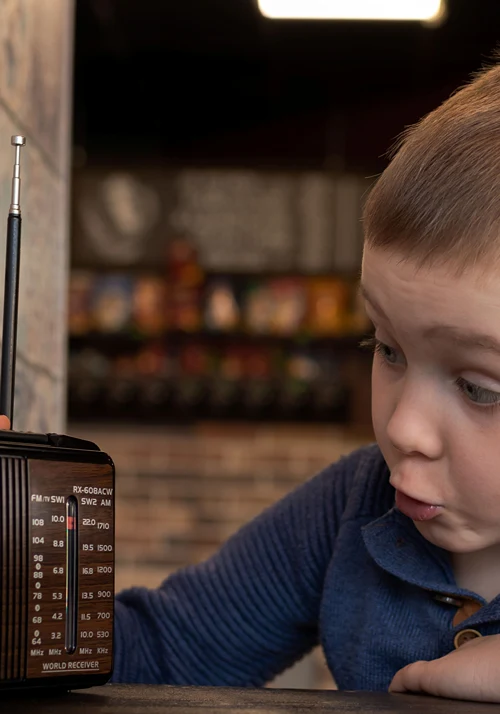
History can feel like a long list of names and dates until students learn to read machines like clues. A sewing machine, radio, tool, or vehicle can show what problems people faced and how they solved them.
With the right questions, older kids can turn one object into a lively lesson about technology, geography, and daily life.
Start With Observations
Before students search online or open a textbook, encourage them to slow down and notice what is in front of them. What is the machine made from? Does it look heavy or portable? Are there wheels, handles, labels, dents, visible repairs, or worn spots?
Those details matter. A scratched handle may show where people carried it often. A compact shape may suggest the object had to move quickly. A sturdy frame may reveal that it was built for rough conditions rather than a quiet room.
Ask About Purpose
Machines are rarely designed by accident. They usually exist because someone needed to move faster, communicate more clearly, carry supplies, build something, or solve another practical problem.
For example, students studying how vehicles supported wartime problem-solving can see how mobility and the terrain shaped the way certain machines were designed and used. The goal is not to memorize every detail, but to understand why the object mattered.
Use These Student Questions
- Who used this machine?
- Where would it have been used?
- What job did it make easier?
- What problem was it built to solve?
- What modern tool or vehicle does it remind you of?
- What would happen if people did not have it?

Connect to Context
Once students understand the object, they can connect it to a larger story. A radio can open a discussion about communication. A sewing machine can lead to a lesson about home life or labor. A vehicle can connect to maps and community needs.
This is where students begin to read a machine like a clue instead of treating it as a random old object. They can ask what the object reveals about where people lived, what they valued, and what challenges shaped their choices.
Research With Care
After observing the object, students can use research to check their ideas. Parents and teachers can point them toward kid-friendly research tools so they can compare sources without wandering into unsafe or unreliable results.
It also helps to remind students that one source may not tell the whole story. Comparing a museum’s webpage with a primary source, such as a photo, newspaper article, or written letter, can give them a clearer picture.
Make It Hands-On
To turn this into a hands-on activity, ask students to choose one old object at home, in a museum, or in a photo. Have them write three observations and three questions. Then ask them to compare the object with something they use today.
When students learn to read machines like clues, history becomes less distant. It becomes something they can notice, question, research, and remember.