How to Choose a Safe Online Chess Class for Your Child: 7 Questions to Ask
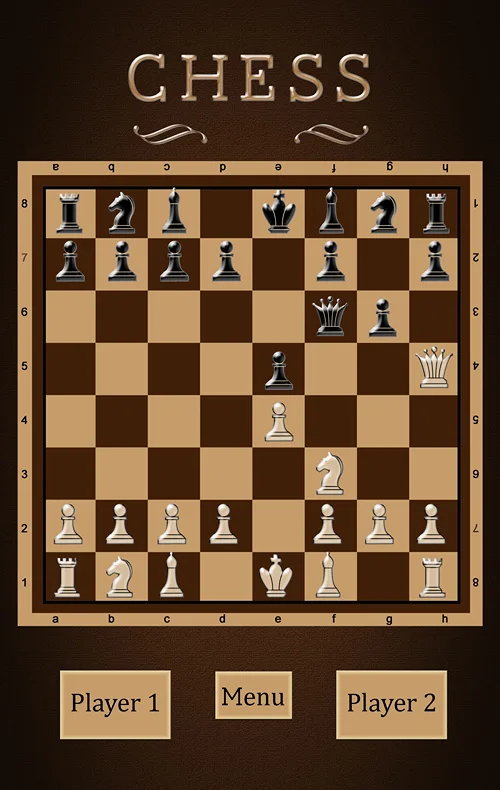
Chess is one of the few screen activities most parents feel good about: it builds patience, focus and the habit of thinking before acting. But an online chess class can mean anything from a vetted coach with a small group to an open video call with strangers, so it pays to ask a few safety questions before you sign up.
Here are the seven we would ask as parents.
1. Who exactly is the coach, and can you check?
A good online chess school names its coaches, shows their photos and lists verifiable credentials. In chess this is easy to check: titled and rated players have public profiles on the FIDE ratings website of the International Chess Federation, where you can see their name, country, title and rating history.
Be cautious with listings that only show a first name or a nickname, or that say “experienced coach” without anything you can verify. You would not drop your child at a club run by an anonymous adult; an online class deserves the same standard.
2. Where does the lesson actually take place?
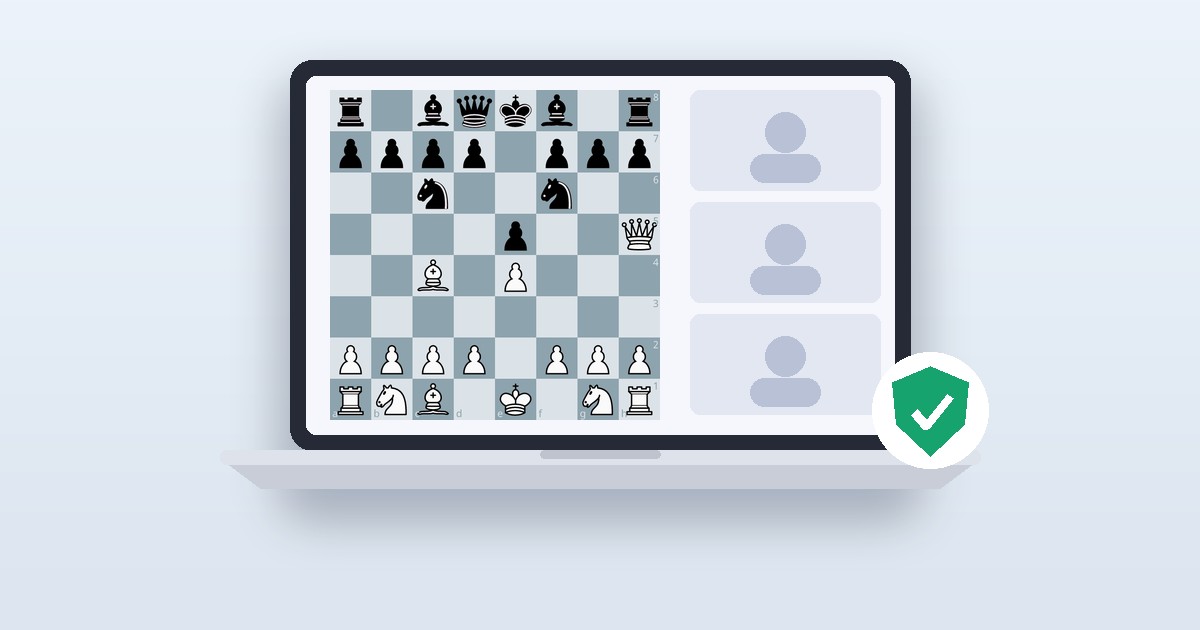
Ask which platform the class uses and who controls it. The safest set-ups share a few features:
- the lesson link is private and only works for enrolled children;
- the coach (not the children) controls who is admitted to the room;
- children cannot privately message each other or the coach through the lesson tool;
- there is no public chat open to people outside the class.
If the answer is “we’ll send a link on WhatsApp” or “join our open server”, keep asking.
3. How big is the group, and who else is in it?
Small groups are better for learning, a coach can only really watch four or five children’s moves at once, and they are also easier to supervise. Ask how many children are in a group, whether groups are matched by age, and whether adults or older teenagers ever join the same class. A group of similar-age children of similar level is both safer and more fun.
4. Is the camera required, and are lessons recorded?
Some schools ask children to keep cameras on so the coach can see they are engaged; others make it optional. Either can be reasonable. What matters is that the school tells you clearly. Ask:
- whether lessons are recorded, who can watch the recordings and how long they are kept;
- whether you can sit in on a lesson or watch from the next room;
- whether screenshots or clips of children are ever used in marketing (they should not be without your written consent).
5. What personal data do they collect about your child?
A chess class needs very little: your child’s first name, age and level, and your contact details as the parent. Be wary of sign-up forms that ask a child to create their own account with an email address, a full date of birth or a photo. In the United States, services for children under 13 must follow COPPA, the Children’s Online Privacy Protection Rule, and obtain verifiable parental consent before collecting a child’s personal information; a reputable school will make that process visible and will have a readable privacy policy written for parents.
6. What happens between lessons?
Most good programs give homework, usually short chess puzzles, and many use online platforms for it. That is a good thing, as long as you know where your child will be practising. Ask whether homework happens inside the school’s own platform or on a public chess website, and if it is a public site, whether the school recommends child-safe settings such as disabling chat and only playing against computer opponents or friends. Free platforms like Lichess offer a “kid mode” that switches off chat and social features, worth turning on for any young player.
7. Can you cancel easily, and is there a trial?
Safety is also about not being locked in. A trustworthy school lets you try a lesson or a short first month, shows the full price before you pay, and lets you cancel online without a phone call. If the terms are hard to find before checkout, that tells you something about how the school treats parents.
A quick checklist before the first lesson
- Coach’s full name and credentials checked
- Private lesson room, admitted by the coach
- No private messaging between children
- Group size and age range confirmed
- Recording and camera policy explained
- Privacy policy read; you, not your child, created the account
- Homework platform set to child-safe mode
- Clear price and online cancellation
Comparing options
Not every family needs a live class. Free sites and apps are excellent for practice, and some children enjoy a self-paced course. If you are weighing the different kinds of chess classes, free platforms, kid-safe apps, class marketplaces, private tutors and dedicated academies, this overview of the best online chess classes for kids compares them side by side, including prices.
A good sign is a school that publishes its safeguarding and online safety practices for parents: who the coaches are, how lesson rooms are run and what happens to your child’s data. Every school should be able to show you this before the first lesson.
The bottom line
Chess is one of the healthiest things a child can do on a screen. The board is the same whether it is wooden or digital; what changes online is who else is in the room. Ask the seven questions above, and you will quickly separate the schools that have thought about your child’s safety from the ones that have not.