Category: Safety | Internet Security

Parental Controls and Security Software

Parental Controls and Security Software

Our safe Google search tools are always free and that is one very important facet of internet safety. Still, we also provide guidance on software solutions that families and schools may be looking for to ensure complete protection online. Cyber discounts are now in effect to get the best prices on to full protection.

This page is your complete resource guide to access and review the various deals available. After you have researched what you need to protect your family members and personal devices, you will be able to explore our cyber discounts on software solutions.

A Review of Online Safety Solutions

Here is a rundown of the various parental controls, internet filtering and security solutions that can be explore according to your family needs.

1. Anti-Virus Software:

This is essential basic software that filters your email to protect your computer from becoming infected with a virus. No computer should be without this recommend anti-virus software. Many operating systems come with enough security to screen your email, such as on a Mac computer or Windows 10.

2. Virtual Private Networks:

Read how a VPN can protect your family at home and while out in public places, such as when using public WiFi.

3. Anti-Malware:

Includes the removal and full protection from malware infecting your computer.  It blocks a variety of viruses and subversive malware from infecting your computer due to a cyber attack or in the event you accidentally visit an infected website.

4. Internet Filtering with Parental Controls:

This is one of the main reasons parents find themselves on our website. Protecting your kids from harmful online content can only be achieved with internet filtering that also blocks access to the internet according to the age of each child in your home.

5. Safe Search for Kids:

The filtering tool on our website is enhanced by by Google to ensure safe search results for all keywords entered. It is a FREE solution when searching Google. While it will block search results for inappropriate search terms entered, it does not block access to other areas of the internet when kids leave our site.

Now, let’s explore how to access the protections you are seeking.  The first links take you directly to the price options for each software program, followed by links to the related articles.

Software Solutions

Here is a breakdown of the four parts for complete cyber security and computer safety.

Parental Control Software:

Anti-Virus Software:

  • Explore anti-virus software for email protection, read our article on how anti-virus compares with other security solutions.
  • A secondary article delves into anti-virus for gamers that also increases online game speed. This prevents users from turning anti-virus off.

Malware Protection:

  • Get the latest pricing on Anti-Malware.
  • Learn more about how anti-malware software can remove malware from your computer and provide continued protection against ransomware.

Free Filtering Tools

If you are buying a new phone, tablet or computer for your child this year, at the very least we recommend using our website free safe search options.  Bookmark our home page for safe searching of Google, images, Wikipedia for kids and videos.

Before you buy a tablet, read about security options for Apple or Android tablets such as Samsung.

Parental Control for Google, Samsung, Smartphones, iPads, Kids’ Tablets

Share This Article

3 Tips For Kids to Engage Safely With Fellow Gamers

Tips For Kids to Engage Safely With Fellow Gamers

Online gaming isn’t just for fun anymore. It’s a means to socialize. Gaming can even have some serious benefits when it comes to a child’s psyche, as gaming can encourage collaboration and team building, improve social skills through effective communication, and allow children to connect with other people that have the same hobbies.

Social benefits aside, many parents understandably are wary of letting their kids play video games and also engage in the gaming communities that supplement them — and we don’t blame them. Thankfully, there are a few things we can instill in our kids to teach them how to safely engage with fellow gamers online, beginning with these three best practices.

1.  “Never share your personal information”

When it comes to online gaming, there’s no such thing as being too careful. Sharing personal information can put your child at risk of hackers and other dangerous cyber activity.

That being said, be sure to warn your child about sharing personal information online, including your address, phone number, full names, and even account passwords. This way, your child will be able to have fun and connect with other gamers without putting both you and themselves at risk.

2.  “Be aware of pop-up scams”

Pop-up scams are all too common on the internet. However, with a child on a computer, it’s essential to warn them about these malicious pop-ups and inform them on what to do if they encounter one.

Without properly educating your child on cyber scams, they may accidentally download malware that can harm your device. Not to mention, cybercriminals may send harmful attachments on forums that your child can gain access to.

3.  “Don’t purchase cheat codes”

Sometimes, it’s cool to get certain modifications and cheat codes on the internet. However, things get a lot less cool when these cheat codes (potentially) expose your device to harmful viruses.

For this reason, it’s extremely important to educate your child on cheat codes and how they may harm your device. While downloading cheat codes can be tempting, your child should know the impact they may have on your devices so that they can think twice before pressing “download.”

For more perspective on gaming communities and how to engage safely in them, pore over the infographic below, courtesy of Norton.

An infographic, courtesy of Norton, overviews what is internet tracking, four common ways we

Read about online safety for kids while playing Pokemon Go.

Review the parents guide to navigating Twitch TV.

Share This Article

How Can I Keep My Computer Virus-Free When My Kids Play Online?

Kids Playing Online Virus Protection

Picture this! The latest online game for kids has just come out, and all of your child’s friends are asking them to get it. After they download it, the computer starts running slower than molasses—you suspect that you have a virus. How can you keep your computer virus-free when your kids play online games?

These days, more children engage in the online world than ever before. Unfortunately, this puts your computer at an increased risk of getting a virus. You want your children to enjoy online social activities, but you don’t want them to slow down the computer in the process!

Try these tips to keep your desktop computer virus-free:

Educate Your Child

How can your child avoid viruses if they don’t fully understand what they are? If your kid enjoys playing games online, try to sit them down and talk about how to play safely.

Depending on what games they like to play, certain ones may request permission to access your computer. This is often the case with online games, which may need to bypass your firewall. Let your child know that whenever these messages appear on the screen, it’s best to tell a parent first.

Some ads are targeted directly at children, promising them free in-game rewards. Just by visiting a website, malicious software can automatically download onto the computer. Your child may not even realize that they’ve just picked up a virus! Be sure to caution them about these misleading ads.

Teaching your child about viruses can only go so far. They may be able to spot obvious security threats, but many hackers go to great lengths to disguise malware. You’ll need to go the extra mile to keep your computer clean.

Monitor What They’re Doing Online

Your kids may not realize that the websites, games, and online platforms that they interact with can be dangerous.

People online can be incredibly persuasive, and may convince your child that clicking a link or downloading a file is perfectly safe—even if you’ve told them otherwise! Therefore, it’s important to monitor their activities regularly.

You can install various parental monitoring applications that allow you to survey what your child is doing online. This will ensure that they aren’t visiting websites that may damage the computer.

Boost Your Computer’s Defenses

You may have parental control applications on the computer, but most of these programs offer no protection against malware or viruses.

Did you know that up to 32% of computers around the world are infected with viruses? It’s a pretty shocking number! That means there’s almost a 1 in 3 chance that your computer has a virus. You need reliable anti-spyware and antivirus software to keep your desktop safe.

However, be wary of some free antivirus software—it may actually contain other viruses! Do your research when it comes to protective software.

Watch Out for Emails!

Almost everyone has an email address these days, even children. It’s an easy way for kids to connect with friends, get updates from their school, and keep up with new game releases.

Unfortunately, emails are also the most common way that viruses infect computers. This happens in various ways. Sometimes, the malicious person sends emails that appear to come from a close friend. The message might include a (.doc) or (.exe) file that contains a virus. Let your child know that if they receive an email from an unknown sender, they should not open it—instead, they should send it straight to the trash bin!

Make a Secure Password

The passwords that are the easiest to remember are often the least secure. If a hacker is targeting children’s accounts, they’ll start by trying all the most common passwords. You’ll need to get creative to boost your account security—rather than simple phrases, stick to complex strings of numbers and characters.

It can be easy to forget things when you’re a kid! Instead of trying to memorize a complicated password, have your child write it down on a piece of paper and place it next to the computer.

Be Proactive

Even if things are running smoothly, you never know when the next virus will cause a technology breakdown. You can install software that consistently monitors and scans your computer for viruses.

Try to notice when your computer is running slowly. If your kid uses the computer the most, let them know that they can always tell you if something is suspicious. Once you identify the virus, you can ask them where it might have come from. Working through the process with your child can teach them to avoid malicious websites.

The sooner you get rid of a virus, the better! Protect your computer against spyware, malware, and viruses by monitoring its performance.

Limit Their Screen Time

One of the best ways to avoid a virus is by spending less time on the computer. But you don’t need to eliminate their screen time entirely! Instead, work on cutting it down by a few minutes each day.

If you want to reduce screen time for families, it takes planning. Suddenly springing it on your child may result in a tantrum. Instead, aim to start the day by telling your kid that they will have a time limit today.

Next, plan fun activities to show your child that they can have fun without a computer! Plan things like puzzles, baking cookies, or going for a walk. The less time that your kid spends playing online games, the less likely it is that you’ll get a virus!

Children love all that computer games have to offer them, from social interaction with their friends to a break from schoolwork. Unfortunately, playing online carries a risk: viruses.

If you’ve dealt with a computer virus before, then you know how inconvenient, time-consuming, and unsettling they can be. Try these above tips to keep your computer virus-free and functional for the whole family.

Share This Article

Important Safety Tips while Using Public WiFi

Safety Tips while using Public WiFi

You do not have very go far these days to access free public Wi-Fi. It is available in airports, libraries, cafes, hotels and government buildings. This is helpful but it is important for both adults and kids to make sure they do not trade safety and security for convenience. Just because the public building you are in is reputable, does not mean the Wi-Fi connection is secure.

When using your smart phone or computer in a public hotspot, you need to be careful to ensure the Wi-Fi network is encrypted. Otherwise, it opens you up to the risk of having your online accounts hacked. This could result in cyber thieves stealing your personal information.

Here are two basic safety tips to keep in mind to protect your information.  And then we will explore additional ways to stay safe while online in public.

1. Check if the Public Wi-Fi Network is Secure

As mentioned, we are not worried about the people who control the Wi-Fi network.  The risk is when others around us are in the business of hacking into the personal accounts using the network. safety-tips-that-both-adults-and-kids-need-to-know-while-using-public-wifi/ It could be the person sitting across from you in a coffee shop, or just outside on the street. 

If the public Wi-Fi network does not ask you to enter in a WPA or WPA2 password, the network is not secure. As you are probably thinking, this is most places.  The most common public Wi-Fi networks that require a password are internet providers with home you have an account.

2. Ensure the Websites You Visit Show https 

An example of this is https://youraccount.com or https://yourbank.com.  Secure websites will encrypt your information as you use the site.  Unsecured sites do not have the “s” in them, such as http:// (your information is not encrypted and kept safe if you don’t see the “s”)

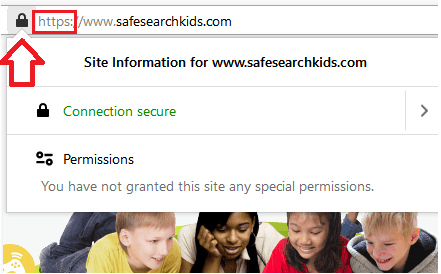
Unsecured websites will also show a padlock that is unlocked.  Here is an example of what a secured website looks like.  Notice how with website URL with https also has a closed lock.

secure encrypted website

Clicking the lock will reveal more information about the secure site.  Now you can be sure you are on a secured website.

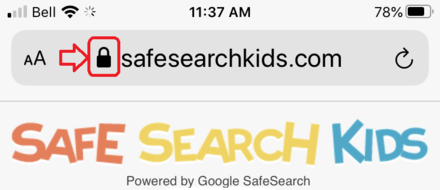
On a mobile website, it will look like this.

secure encrypted mobile website

If you are using a site that is not secure and locked, you open yourself up to hackers that can access your personal accounts and steal your data.  This could mean your name, address, phone number, address book and photos.

Hackers need to see you on a public WiFi to be able to monitor your activity, so one sure fire way to to prevent this (regardless of being on an unsecured network) is to encrypt your data by using a VPN. It can be turned on when you wish, such as when you are in public or traveling.

Here are more ways to protect your personal information when using public Wi-Fi.

  • It is good idea to have different passwords for each of your online accounts. This way if a cyber thief gets a hold of your email and password on one of your accounts, they will be unable to log into other accounts using the same password.
  • Educate yourself on the various ways cyber attacks happen even when you are in the safety of your own home network, such as Phishing, Vishing and SMishing. Hacking through public WiFi is less common than these other methods used.
  • Do not email important information about yourself for any reason.  This includes credit card details, bank account information and your personal government ID number. You should never do this even if a network is secure, not even from home.
  • Use a mobile proxy to mask your IP address and when accessing accounts in public, whether it is your own computer or a PC in a library, always log out when finished.
  • Take advantage of 2 step verification methods being offered within your personal accounts.  This will add further security because 2 step verification means you cannot log in until you enter a secret code that is sent to you by text or via the Google Authenticator App.

Proper Online Activity When Using Public Wi-Fi 

If you are in doubt about the security using any public Wi-Fi network or website, it is best to restrict your activity online to general use, such as searching Google while you are not logged into your Google account.

Do not log into any personal accounts and if you find it necessary to do so, disconnect from Wi-Fi and use your personal cell data.  Even then, it is always important to ensure the websites on your account pages start with https in the URL.  Most major accounts websites are secure, but if you do not see https something may be wrong.

If you are in doubt about the security using any public Wi-Fi network or website, it’s best to restrict your activity online to general use, such as searching Google while you are not logged into your Google account.

Don’t log into any other personal accounts and if you find it necessary to do so, disconnect from Wi-Fi and use your personal cell data.  Even then, it’s always important to ensure the websites on your account pages start with https in the url.  Most major accounts websites are secure, but if you don’t see https something may be wrong.   

Beware of Evil Twin Attacks

What does this have to do with protecting yourself on publish Wi-Fi? Well, an Evil Twin Attack happens when a cybercriminal sets up a Wi-Fi network that mimics a legitimate one. The goal is to trick you into the log into the wrong network by mistake. 

Unsuspecting victims will think they have connected to the “safe dedicated network” associated with the public area they are visiting.  Scammers and then can steal your information or infect your devices.

Captive portal pages can also be used by hackers to funnel you to malicious websites or infect your device with malware. 

Red Flags to Look Out For

Seeing multiple networks with similar names should raise suspicion. Stay alert for security notices on your device. It will often let you know if you’re about to connect to an unsecured network.

These networks are dangerous because there are no built-in security protections to keep hackers out. Using your personal data or a friend Hot Spot is a safer alternative when you encounter unsecured public Wi-Fi networks. 

Additional Resources:

Share This Article