What a ‘No-Log’ Policy Really Means, and Why It Matters for Parents

Parents in this technological era spend plenty of time thinking and strategizing about their children’s online safety and family privacy. One feature that stands out when selecting the right VPN services is a no-log policy. While the term may seem complicated, understanding it can help parents keep sensitive browsing activity more private and make informed decisions about their children‘ s digital security.
No-Log Policies for Better Family Privacy
Parents often think about cyberbullying, screen time and inappropriate content when it comes to what their children consume online. This doesn’t have to mean that digital privacy is not necessary. Therefore, fully understanding how VPN providers verify no-logs claims can assist in separating meaningful privacy practices from marketing campaigns. Choosing a trustworthy no-log policy means getting a provider who doesn’t keep records of your browsing activities. In return, it reduces the amount of personal information that could be exposed if legal requests are made or systems are compromised. While a no-log policy is essential, modern cipher strength, strong encryption standards and built-in DNS play a vital role in preventing accidental exposure.
There is stronger evidence, according to recent independent no-log audits, that privacy commitments are being followed while, at the same time, provider‘s jurisdiction can affect the legal pressure they may face to disclose or collect data. For families, the above features can facilitate private and smoother internet use without bypassing regional restrictions and/or encouraging unethical behaviours. Nowadays, children spend a lot of time online accessing their school portal, messaging apps, public Wi-Fi and/or educational sites, often without knowing how much information is shared in the background. Parents can reduce unnecessary data collection while keeping family browsing habits more private by getting a VPN with a genuine no-log policy.
Common Misunderstanding About No-Log Policies
One of the most important and misunderstood features to consider when choosing a VPN is no-log policy. Most people assume that every VPN defines no-logs and/or guarantees complete anonymity.
No-Logs is Same as Complete Anonymity
By definition, a no-log policy means that your VPN provider doesn’t keep records of the websites you visit, browsing footprints and connection history. However, it doesn’t mean that you are completely anonymous online. Online accounts will continue to store activities associated with signed-in profiles and, at the same time, sites collect data when you choose to accept cookies. This means that parents should view a no-log VPN as one layer of a wider privacy strategy, instead of a one-size-fits-all solution. Careful sharing of personal information, good online habits and strong passwords remain vital in protecting the whole family’s online footprints.
Verified Privacy and Marketing Claims Practices
In VPN ads, the word “no-logs” appears frequently, but that alone should not determine what you purchase. Clear data-handling explanations, independent security audits and published privacy reports offer stronger evidence than marketing claims. It is also recommended to consider factors like protection against WebRTC leaks, the company’s legal jurisdiction and encryption standards. A complete picture of privacy allows parents to select a VPN that aligns with their expectations and guarantees some level of privacy on sensitive online activities.
Why Do Some VPNs Collect Operational Data?
It doesn’t always mean a VPN is tracking users when they collect some information. Some VPN providers keep limited operational data like temporary diagnostic data or the number of active connections to keep several services running reliably. In most cases, this information is deleted after a short period and is totally different from browsing activities. The main thing is transparency, which a trustworthy provider should explain the type of information being collected, how long it will be retained and why it is necessary.
Why Privacy Matters More Than Security?
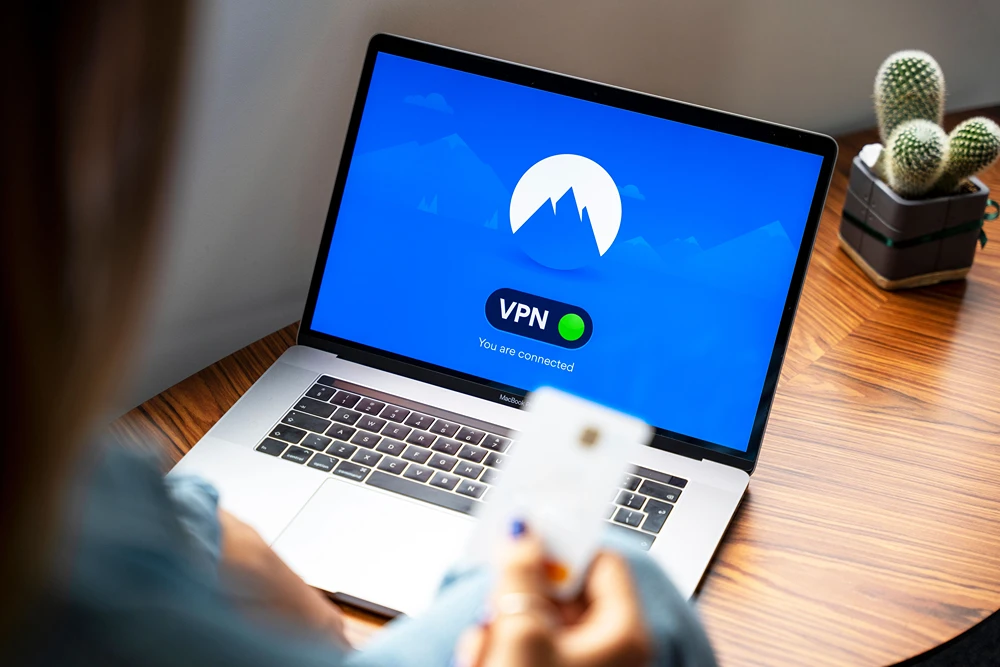
Offering Greater Control Over Digital Footprint
Your family, especially children, begin building their digital footprint long before they clearly understand what it is. Online accounts, including app usage and searches, can build lasting records that can influence future privacy. Therefore, parents should help their children learn about the amount of information they share online, why privacy matters and the importance of using strong passwords.
Protecting Sensitive Searches and Minimising Digital Tracking
Many online services and sites collect data to deliver targeted ads, personalised content or measure user behaviour. When researching personal topics like family health, children’s education, financial planning or men’s health, families may not want their daily search to contribute to their extensive online profile. The best way is to use a genuine no-log policy VPN that keeps everyday online activities more private and reduces unnecessary data collection.
Takeaway
A no-log policy is an essential part of protecting your online privacy that goes beyond being a technical feature. It is easier to make an informed VPN choice when you know and understand what a no-log policy and verified privacy practices mean. The right VPN combined with good digital habits can help create a more private online experience for both children and adults.