Here’s How To Teach Your Children the Importance of Recycling (and make it stick)
Recycling is something that all students learn about in school, but to make sure that these positive habits stick with them, you may need to follow up with additional lessons at home. After all, the values we reinforce daily are the ones that shape who our children become.
Here are some tips on how to teach your children about the importance of recycling. Learn how to pass on these important habits to your kids.
Involvement at Home
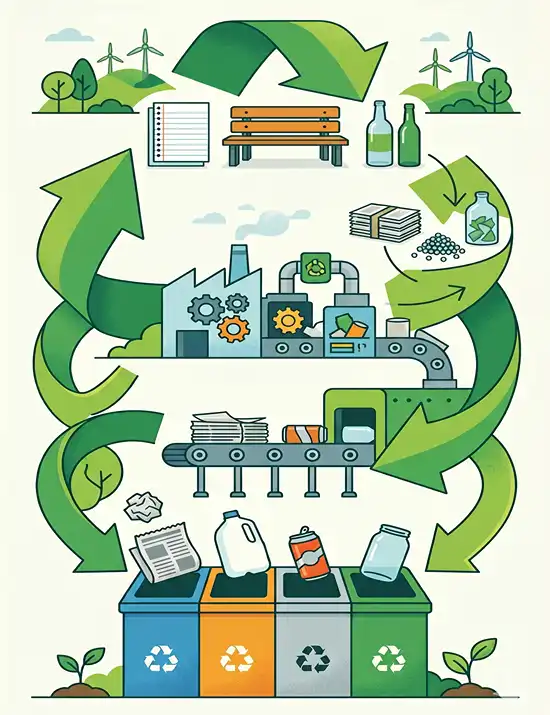
Your home is the perfect space to teach your kids to recycle because it allows them to apply what they’ve learned at school in a no-pressure environment. Consider creating kid-friendly sorting bins that are easy for your kids to understand. Teaching kids to use colors to sort different recyclables can be helpful for kids who are just learning how to read.
Sort recyclables by paper, plastic, glass, and compost if your family participates in composting. Even if your waste collection or rubbish removal service doesn’t require separation, this process helps children understand the differences between recyclable materials.
Teach Them How To Reuse Things
We all know the three Rs of recycling: reduce, reuse, and recycle (though some education systems teach as many as nine Rs, including repurposing, repairing, and more). Let’s focus on reuse for now. You might be wondering how to teach children to safely reuse the items they use every day. Children can reuse items in the same way adults do.
For example, teach your children to avoid single-use plastic items and instead utilize a refillable water bottle, thermos, or lunch box. Carefully choosing the materials you use to pack their lunches can have a significant impact. Instead of using a disposable paper bag, choose a lunch box for them to take to school every day and stock it with reusable containers.
Don’t Forget About E-Waste
There’s no doubt about the impact of technology on student’s ability to learn while at school and at home, but this technology won’t last forever. When discussing recycling, you should also tell your children about the impact that electronics can have on the environment. After all, when we throw away electronics like old smartphones and computer parts, these pieces typically end up as e-waste in a landfill, which is particularly harmful to the environment.
It might be difficult for your child to understand that the smartphone in their hand or their school laptop could one day end up in a landfill. Do your best to explain to them that everything has a lifespan. Hang onto old electronics such as flip phones and old computer accessories to show them that even items that were considered high-tech at one point won’t last forever.
When their electronics do start to show signs of age, teach your kids responsible ways to dispose of them, such as taking them to a local e-waste collection facility or sending them to the manufacturer for repairs or refurbishing.
Make It a Family Challenge
One of the most effective ways to reinforce recycling habits is to turn it into a friendly family competition. Set a monthly goal together, such as reducing the amount of trash that goes to the landfill. Track your progress as a household. You can create a simple chart on the fridge where kids add a sticker each time they correctly sort recyclables or find a creative way to reuse something.
Reward milestones with low-waste prizes, like a trip to a local park or a family movie night. When children feel a sense of ownership and accomplishment, they’re far more likely to carry these habits into adulthood. Framing sustainability as something the whole family is working toward together makes a lasting impression, rather than a chore.
Extend the Lesson Beyond the Home
Once your kids have a solid grasp of recycling habits at home, encourage them to take that knowledge into their wider community. Talk to them about why it matters that everyone participates, not just your household. Some families volunteer at local clean-up events or community gardens, which gives children a firsthand look at the real-world impact of waste.
You can also use books, documentaries, and age-appropriate online resources to deepen their understanding of environmental issues like ocean plastic and landfill overflow. When kids see the bigger picture that their small daily choices connect to a much larger environmental story — recycling stops feeling like a rule to follow and starts feeling like something they genuinely care about.
Continued Education
There are many distinct recycling guidelines and details that children don’t always learn in school. Knowing how to teach your children about the importance of recycling will help supplement the basic lesson they learn in school. These tips will help solidify the concepts and practices of recycling; hopefully, your kids will go on to teach the next generation as well.