How to Create a Safe and Independent Space for Toddlers at Home
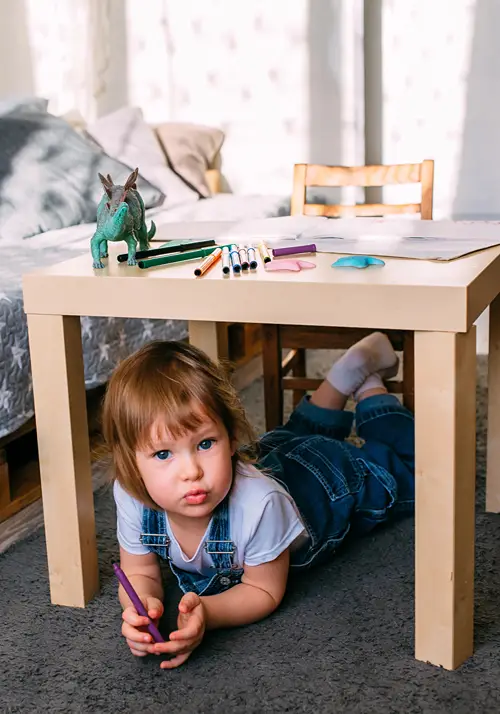
Toddlers increasingly want to explore their surroundings without assistance. Whether it’s grabbing a toy, choosing a book, or getting into bed, these small actions help children develop their independence. The way your home is set up can play a key role in this.
But how do you give a toddler enough freedom without compromising their safety? A fundamental principle is ensuring that the environment aligns with what your child is currently capable of doing on their own.
What is a prepared environment?
In Montessori education, the prepared environment plays a central role. This means that furniture and materials are tailored to the child’s stage of development and their individual capabilities. As a result, a toddler doesn’t need to ask for help with every single task. It’s not about providing as much freedom as possible but rather fostering independence within clear, safe boundaries.
One example is a Montessori bed. This low-to-the-ground bed allows a child to get in and out independently, offering them more freedom of movement than a traditional crib. However, such a bed isn’t right for every toddler. Factors like motor development, sleep patterns, and the overall safety of the bedroom determine whether making this transition is a sound choice.
How does the home environment support development?
Toddlers build independence by repeating tasks, such as tidying up toys, selecting their own clothes, or putting a book back on a shelf. When items have a designated, accessible place, children can practice these actions without needing constant help.
The amount of toys available also warrants consideration. A wide array of options can make it difficult for young children to choose and to keep their attention focused on a single activity. A limited selection of materials, presented in an organized way, can support independent play. The most suitable materials depend on the child’s age, interests, and abilities.
Why are clear boundaries important?
Independence does not mean that a toddler is capable of making all their own decisions. Young children are not yet able to fully grasp the consequences of their actions and rely on adults to help minimize risks. A safe environment therefore provides opportunities for independent action while preventing dangerous situations as much as possible. This involves more than just covering electrical outlets or securing furniture; the layout of the space is also important.
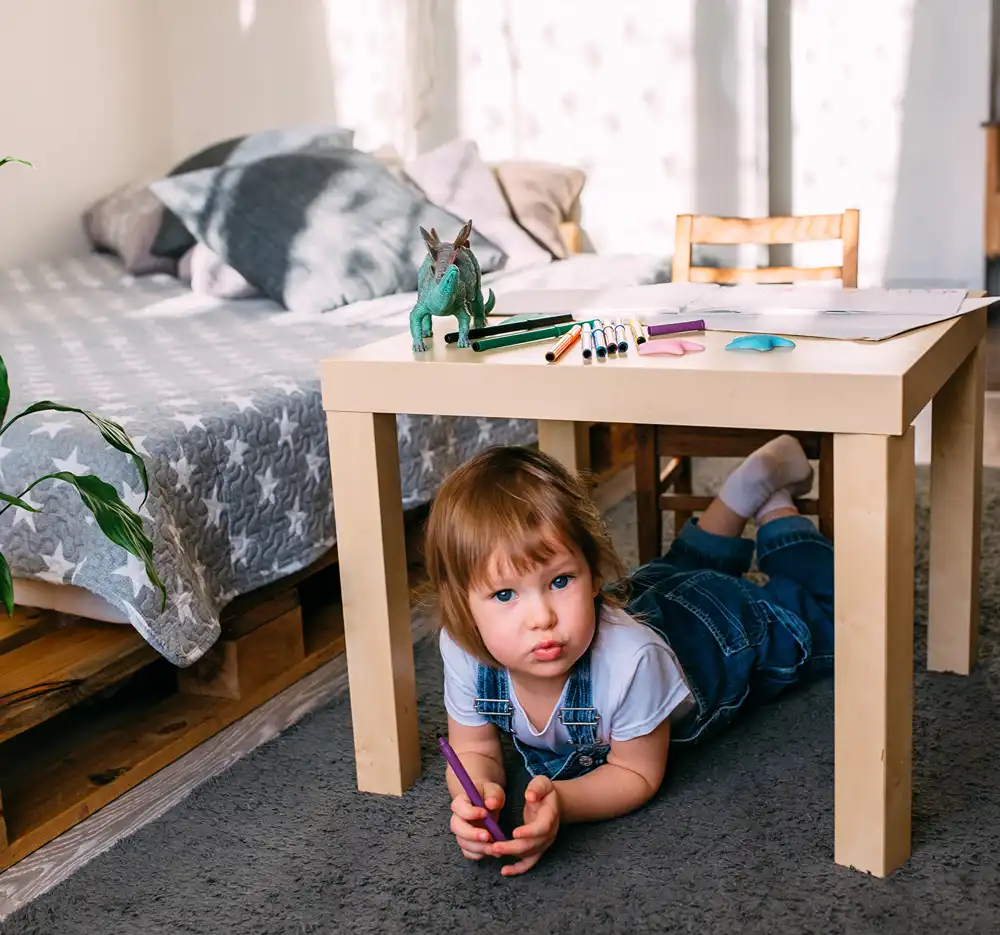
How can you support independent behavior?
Children learn not only through successful experiences but also by trying things again. If a toddler struggles with a puzzle or putting on their shoes, a parent does not need to step in immediately. Waiting a moment gives the child the chance to find a solution on their own.
At the same time, support remains important. You might demonstrate a task, offer a hint, or practice together. The amount of help required varies from child to child and from situation to situation. A toddler who is tired or frustrated may need more guidance than one who is calm and engaged in play. The development of independence does not follow a fixed schedule.