How Schools Can Prepare Students for Real Lab Work
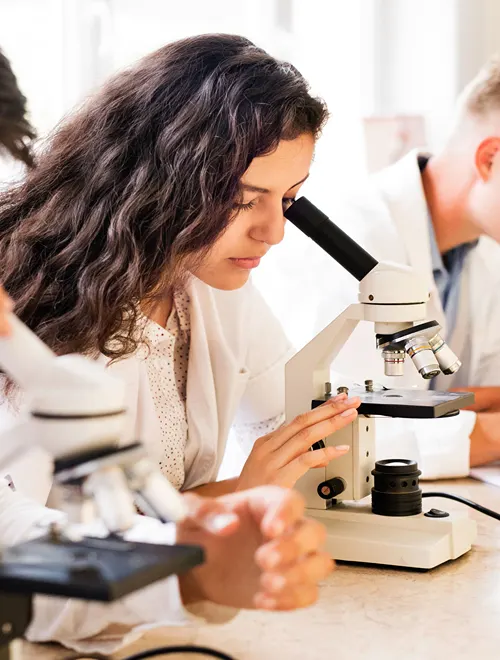
Getting students ready for real lab work begins long before they enter the lab. Written rules often fall short when things get stressful, so students need to build judgment they can trust in the moment. Parents also want to understand what advanced lab courses require.
When schools focus on preparation, students show up in college labs ready to think for themselves instead of just guessing through new tasks.
Teach Students to Report Mistakes
Many students are afraid to admit small mistakes, especially when grades are at stake. But hiding errors can lead to bigger problems if the mistake affects the experiment or someone’s safety. Teachers can change this by making error reporting part of responsible lab work. Encourage students to speak up about mistakes! When they do, the class can fix the problem before it spreads or becomes unsafe.
Teach Safety Through Real Scenarios
Safety lessons are more memorable when they feel real. Rather than just listing rules, teachers can guide students through situations they might actually face. Talking about scalpel safety in labs means more when students see what can happen during a rushed setup or when someone is distracted while cleaning up.
Before starting any activity, students should learn how to respond step by step. This kind of preparation gives them something solid to rely on when the lab gets busy and it’s easy to lose focus.
Build Better Lab Partner Habits
Working with a partner can help learning or hold it back. Clear roles keep one student from taking over while the other does less. Teachers can switch up responsibilities during the course, so everyone gets hands-on experience. As partners work together, they also learn to share their observations before making choices that affect their results. This habit builds both confidence and accountability.
Let Students Practice Before Experiments
Students need time to get used to basic lab movements, and practice sessions give them that chance. Teachers can introduce tools with safe materials, so students learn how they feel and how much control they need.
This shows that students remember hands-on experiences better than lectures, because repeating actions makes a stronger impression than just hearing an explanation. By the time the real experiment starts, students who have practiced usually feel more confident and ask fewer questions about basic steps.
Connect Classroom Habits to Future Careers
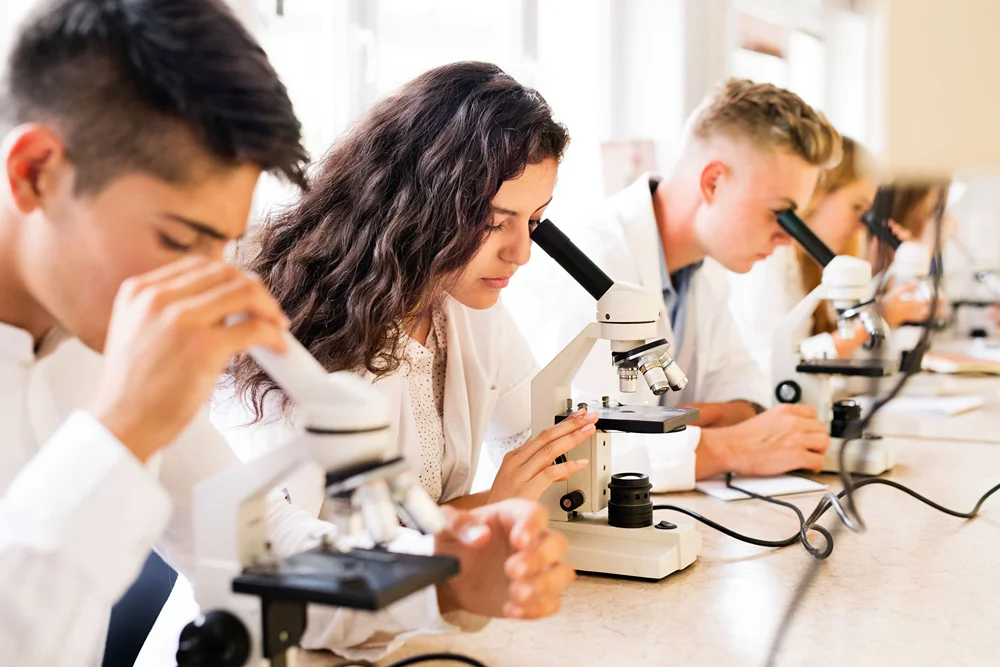
Students often take lab rules more seriously when they see how these habits matter later on. College programs and research labs depend on careful records and following the same steps every time. When schools make this connection clear, students start to see the reason for each step. Safety stops feeling like just a school rule and becomes a professional standard they will use in the future.
Preparing students for real lab work means thinking beyond just one assignment. Students need time to learn how to slow down when things get stressful. They also need chances to ask questions before confidence turns into carelessness. With this kind of preparation, students leave school with better skills and a stronger sense of responsibility for every experiment. Schools should make this preparation a top priority.