Elevating Spaces with Creative Wall Art Ideas
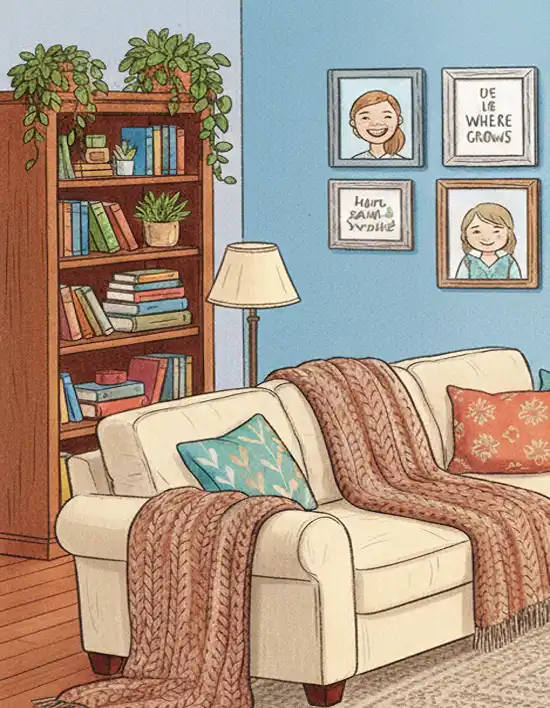
Wall art has become a defining feature in modern interior design, offering a powerful way to personalize spaces and express creativity. From contemporary prints to traditional paintings, wall décor adds depth, color, and meaning to otherwise plain walls.
In both residential and commercial environments, wall art enhances visual appeal while creating emotional connections that make spaces feel more inviting and complete. With endless styles, materials, and customization options, wall art has evolved into an essential design element that reflects individuality and lifestyle.
The Importance of Wall Art in Interior Styling
Wall art plays a crucial role in shaping the character of a room. It acts as a focal point that draws attention and anchors the overall décor. Without wall art, even the most beautifully furnished space can feel incomplete or impersonal. Art pieces introduce color contrast, visual balance, and texture, helping unify furniture, lighting, and architectural elements. Whether the goal is to create a calm retreat, an energetic workspace, or a luxurious lounge, the right wall art can set the tone and atmosphere instantly.
Exploring Different Wall Art Styles
There are numerous wall art styles to suit diverse tastes and interior themes. Minimalist art focuses on simplicity, using subtle shapes and neutral tones to maintain a clean aesthetic. Abstract art emphasizes creativity and bold color combinations, making it ideal for contemporary settings. Nature-inspired prints featuring landscapes, florals, or wildlife bring a refreshing and peaceful vibe to interiors. Vintage and classic artworks add elegance and timeless charm, while modern digital illustrations provide a trendy and vibrant appeal. Choosing a style that aligns with personal preferences and room functionality ensures a cohesive and visually satisfying result.
Choosing the Perfect Wall Art for Each Room
Every room has its own purpose, and wall art should complement that function. Living rooms benefit from large statement pieces that create a welcoming focal point for guests. Bedrooms look best with soothing and calming artwork that promotes relaxation and restfulness. Kitchens and dining areas can feature lively or food-themed art that enhances the social atmosphere. In home offices, motivational quotes or abstract designs help stimulate creativity and focus. Matching wall art themes with room activities ensures both visual harmony and emotional comfort.
The Role of Color in Wall Art Selection
Color is a powerful element in wall art that influences mood and perception. Warm tones such as red, orange, and yellow create energy and excitement, making them suitable for social spaces. Cool shades like blue, green, and lavender evoke calmness and tranquility, ideal for bedrooms and reading corners. Neutral palettes provide versatility and elegance, blending seamlessly with various décor styles. Coordinating wall art colors with furniture and wall paint creates a balanced and polished look that enhances the overall interior design.
Size, Scale, and Proportion Considerations
The size of wall art significantly impacts its visual effectiveness. Large-scale pieces are perfect for expansive walls, creating dramatic focal points that command attention. Smaller artworks can be grouped together in gallery-style arrangements to tell a visual story. Proper proportion is essential; oversized art in compact rooms may feel overwhelming, while tiny pieces on large walls can look insignificant. Measuring wall dimensions and planning layout beforehand helps achieve a balanced and aesthetically pleasing composition.
Creative Gallery Wall Concepts
Gallery walls have become a popular trend, allowing individuals to display multiple artworks in a cohesive arrangement. Mixing different frame sizes, art styles, and photographs adds personality and visual interest. Maintaining a consistent color palette or theme helps unify the display and prevent visual clutter. Gallery walls work exceptionally well in hallways, staircases, and living rooms, where they can showcase memories, artistic tastes, and meaningful moments in a visually engaging format.
Materials and Textures that Enhance Wall Art
Wall art is available in a wide variety of materials, each contributing unique texture and visual depth. Canvas prints offer a classic, museum-like finish with a soft texture. Metal prints provide a sleek, modern shine that reflects light dynamically. Wooden wall panels introduce warmth and rustic charm, ideal for cozy and natural interiors. Acrylic and glass prints deliver vibrant color clarity and a contemporary glossy appearance. Combining different materials within one space creates layers of texture that make walls more dynamic and visually captivating.
Personalized Wall Art for Unique Expression
Personalization has become a key trend in wall décor, allowing individuals to turn their memories and ideas into artistic displays. Custom photo prints, name-based typography, and personalized illustrations enable homeowners to create décor that reflects their stories and experiences. Personalized wall art strengthens emotional connections with living spaces, transforming ordinary walls into meaningful visual narratives that celebrate milestones, travels, and cherished moments.
Enhancing Business Environments with Wall Art
Wall art is equally valuable in commercial spaces where it contributes to branding and customer engagement. Offices use motivational and modern art to inspire productivity and creativity among employees. Restaurants and cafés rely on themed artwork to build distinctive atmospheres that attract customers. Hotels and retail stores incorporate elegant wall décor to create welcoming and memorable environments. By thoughtfully integrating art into commercial interiors, businesses can improve ambiance while reinforcing their brand identity and values.
Modern Customization with WallPics
For those seeking innovative and personalized décor solutions, WallPics provides a creative way to transform personal photos into stylish wall displays. The concept focuses on lightweight, easy-to-install photo tiles that eliminate the need for complicated frames or nails. By allowing users to convert their favorite memories into vibrant wall art, WallPics blends emotional storytelling with modern design aesthetics. This approach not only simplifies decorating but also empowers individuals to curate galleries that feel personal, dynamic, and visually impressive.
Budget-Friendly Wall Art Decorating Tips
Decorating with wall art does not require a large investment. Printable digital artwork, DIY paintings, and framed fabric designs are affordable yet stylish options. Rearranging existing artworks or mixing them with personal photographs can refresh interiors without additional cost. Thrift stores and local art markets often provide unique and budget-friendly pieces that add character to a space. Creative planning and thoughtful placement allow anyone to achieve a designer-inspired look without overspending.
Maintaining the Quality and Longevity of Wall Art
Proper care is essential to preserve the beauty and durability of wall art. Avoid placing artworks in direct sunlight to prevent fading and discoloration. Regular dusting with a soft cloth keeps surfaces clean and vibrant. For glass and acrylic pieces, gentle cleaning solutions help maintain clarity and shine. Rotating artworks occasionally can refresh the room’s appearance while reducing prolonged exposure to environmental factors. Consistent maintenance ensures that art pieces remain visually appealing for years to come.
FAQ
What type of wall art suits modern minimalist interiors?
Minimalist interiors look best with simple abstract prints, monochrome photography, or subtle geometric designs that maintain clean lines and uncluttered aesthetics.
How can I choose the right size of wall art?
Measure your wall space and select artwork that covers about two-thirds of the available width. This creates visual balance without overwhelming the room.
Is it good to mix different art styles in one room?
Yes, mixing styles can create a dynamic and eclectic look, but maintaining a consistent color palette or theme ensures harmony and cohesion.
Can wall art improve mood and productivity?
Absolutely, calming landscapes can reduce stress while vibrant abstract pieces can boost energy and creativity, especially in workspaces.
How often should wall art be changed?
Updating wall art seasonally or during décor changes keeps interiors feeling fresh and aligned with evolving tastes and trends.
Conclusion
Wall art continues to be a powerful tool in interior design, capable of transforming blank walls into expressive and visually stunning features. Its versatility allows it to adapt to various décor themes, from traditional elegance to contemporary minimalism. By carefully selecting styles, colors, sizes, and materials, individuals can create interiors that reflect their personality and enhance emotional well-being. The rise of personalized and customizable options has further expanded the possibilities of wall décor, enabling people to turn memories and creative ideas into meaningful artistic displays.
Whether used in homes or commercial environments, wall art enriches spaces by adding depth, character, and inspiration. Investing time in choosing the right pieces not only beautifies interiors but also creates an atmosphere that resonates with comfort, creativity, and individuality, ensuring that every wall tells a unique and captivating story.