How Nature-Inspired Accessories Encourage Creative Self-Expression in Kids
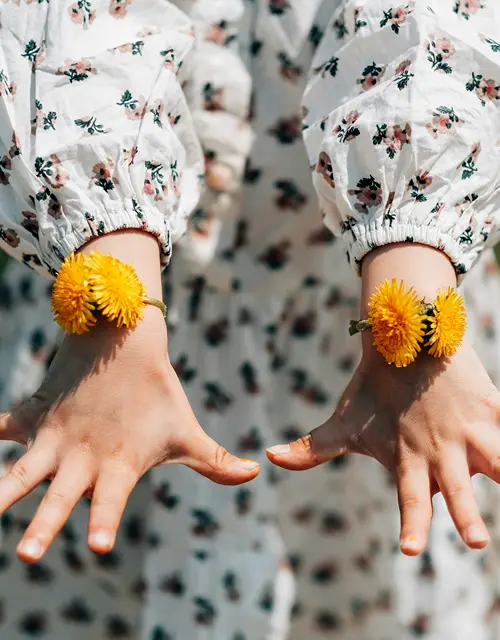
Most crafts end when the activity does, but a bracelet or crown made from pinecones and petals goes home on a child’s wrist or head, still telling a story. Nature-inspired accessories stand apart from general nature-based play because they produce something wearable.
When a child selects a speckled feather over a smooth one, or arranges colors deliberately rather than randomly, those choices become visible to the world. The finished piece becomes a small, portable statement about who that child is right now: what they noticed, what they loved, and what felt like them.
This connection between making and wearing is what sets accessory-making apart from broader crafts. Creative self-expression doesn’t stop when the glue dries. A child who makes a flower crown on a Tuesday afternoon is still expressing something when they wear it to breakfast on Wednesday. Natural materials such as seed pods, leaves, river stones, and dried flowers carry texture, color, and shape that children respond to instinctively, making each piece genuinely personal. The following sections explore how that process unfolds and how parents can support it at every stage.
Why Accessories Work So Well for Self-Expression
Wearable items feel personal to children in a way that most crafts simply don’t. When a child chooses, makes, and then puts on something they’ve created, the object becomes an extension of their identity rather than just a finished product sitting on a shelf. A leaf crown, a seed bracelet, or a pressed-flower pin carries visible markers of preference: color, texture, shape, and the specific natural finds that caught that child’s eye.
That ongoing use after the activity ends is what makes accessory-making distinct. The creative expression doesn’t stay at the craft table. It travels with the child, inviting questions, sparking conversations, and reinforcing the sense that their choices matter. Natural materials make this especially meaningful because no two pieces ever look exactly alike, which means every child’s creation is genuinely their own.
What Kids Gain When They Make and Wear Them
Nature-inspired accessories bring together sensory exploration, decision-making, and fine motor practice in a single, focused activity. The developmental value isn’t incidental; it’s built into the process itself. Each stage, from collecting materials outdoors to assembling the final piece, asks something different of a child and rewards them for it.
Sensory Input Becomes Part of the Creative Process
Nature materials engage children in ways that synthetic craft supplies rarely do. A dried flower has a papery texture and a faint scent. A smooth river stone feels cool and weighted in the hand. A seed pod rattles when shaken. These qualities invite exploration before a single design decision is made.
Research on nature play consistently shows how multi-sensory environments support broader child development, and accessory-making concentrates those benefits into one focused activity. Children aren’t just touching materials; they’re comparing them, sorting them by weight or color, and deciding which textures belong together.
This sensory exploration also supports emotional development in quieter ways. Handling natural materials tends to be calming, and the deliberate pace of arranging and rearranging gives children space to settle into focused attention.
Small Design Choices Build Confidence and Ownership
Child-led play happens naturally when there are no wrong answers. Choosing between a speckled stone and a smooth one, or deciding which petal goes next to which leaf, puts creative expression entirely in the child’s hands.
Threading cord, tying knots, and placing materials in sequence all quietly strengthen fine motor skills alongside that decision-making. The process asks children to slow down, adjust, and persist, and those are skills that transfer well beyond the craft table.
Once the piece is finished, it does something else: it gives children a way to communicate. Children are often drawn to wearable designs that translate flowers, leaves, and garden motifs into something personal. Whether it’s a handmade piece assembled from backyard finds or a fresh take on botanical-themed accessories in the form of sensitive, hypoallergenic fashion jewelry or ear accessories, these botanical style cues give children a visual language for expressing mood, preference, and personality without a single word.
Easy Accessory Ideas Kids Can Make with Nature
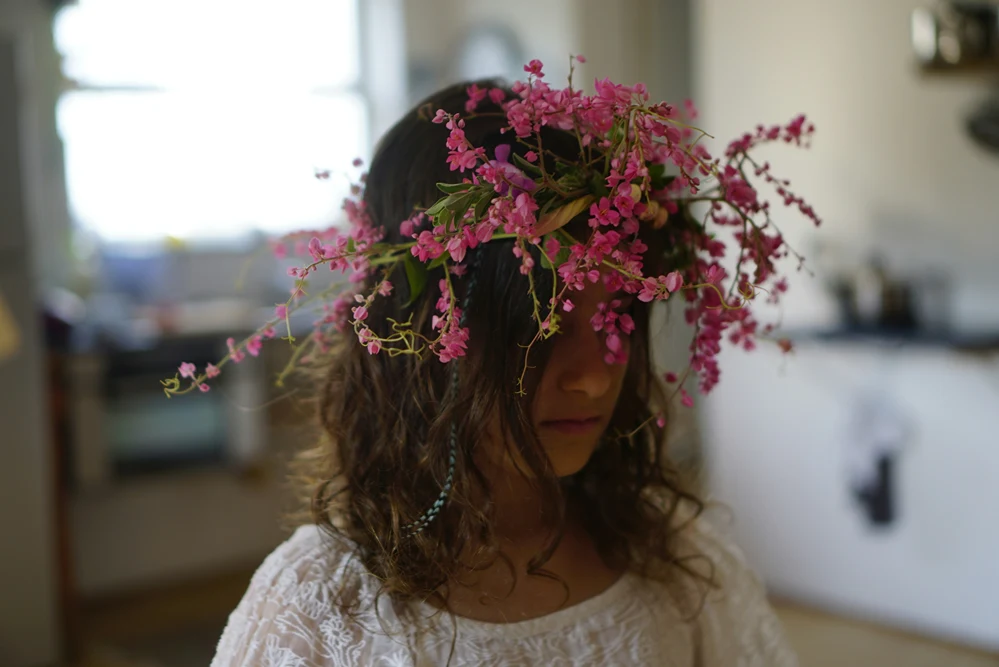
The projects that work best for this kind of creative activity are ones that offer a quick, satisfying result while still leaving plenty of room for personal choices. Whether you’re working with a toddler or a school-aged child, the goal is always the same: give them materials, offer a little guidance, and let the making take its own shape.
Wearable Pieces for Quick Creative Wins
Some of the best starting points for nature-based play are also the simplest. Daisy chains require only patience and a thumbnail to make a small slit in each stem. Leaf crowns can be assembled by folding and tucking large leaves together, with no glue or tools needed. Both give children a finished, wearable result within minutes, which matters a great deal for younger kids who need faster creative wins to stay engaged.
For school-aged children, seed bracelets add a satisfying level of intention. Collecting seeds of different sizes, sorting them by shape, and then threading them onto a length of cord involves planning and fine motor control in equal measure. Pebble pendants work well for this age group too. A flat stone with a hole drilled by an adult, or wrapped in wire, becomes a personal talisman that a child has genuinely chosen and made their own.
The goal with any of these projects isn’t to reproduce a model perfectly. Open-ended making, where the child decides what goes where and why, produces pieces that feel like genuine self-expression rather than completed instructions. Encouraging that freedom from the start builds confidence across the whole creative process, in ways that connect naturally to drawing templates that spark creativity and other imagination-led activities.
Decorative Add-Ons That Personalize Everyday Items
Accessories don’t have to be worn to carry meaning. A flower-press bookmark made from dried petals and a laminated card personalizes a child’s book in a way that feels entirely theirs. Hair clips decorated with small pressed flowers or seed pods extend the same creative energy into everyday objects.
Collecting natural materials responsibly is part of the process worth building in early. Children can learn to gather what’s already fallen, to take only small amounts, and to leave living plants undisturbed. These eco-friendly habits turn outdoor learning into something with genuine values attached, not just a source of craft supplies.
How to Support Child-Led Accessory Making
The transition from having ideas to actually making something is where adult support matters most. As the previous sections show, the richest creative outcomes come when children feel free to lead, and the adult role is to protect that freedom rather than fill it.
When parents and caregivers lay out materials, offer a few gentle prompts, and then step back, children are far more likely to make choices that feel genuinely their own. Taking over the design, even with good intentions, shifts the activity away from self-expression and toward approval-seeking.
Language makes a real difference here. Questions like “what does this one remind you of?” or “which color feels right to you?” invite storytelling and preference-sharing without steering the outcome. Phrases that open rather than direct, such as “I wonder what would happen if…”, give children permission to experiment without pressure to get it right.
Thinking about natural play environments for young kids is also worth considering as a source of inspiration for this kind of activity. A garden, a woodland path, or even a local park gives children sensory input that sparks ideas organically, without turning the outing into a structured lesson. Outdoor learning works best when it stays curious and open-ended.
A few simple safety boundaries are worth building in before collecting begins. Adults should check that any plants or flowers gathered are non-toxic, particularly with younger children who may handle materials close to their faces. Fragile habitats such as moss beds or insect habitats should be left undisturbed, and small parts like beads or wire should be supervised throughout. Keeping those eco-friendly habits consistent from the start means the activity carries real values alongside the creative ones, supporting child development in ways that go well beyond the finished piece.
Let Nature Become Part of How Kids Create
The value in nature-inspired accessory making sits in two places at once: the process of choosing, arranging, and assembling, and the finished piece a child carries into the rest of their day. Neither half is more important than the other.
For parents, the most useful shift is prioritizing exploration over outcome. A bracelet that looks unfinished to an adult eye may represent exactly what a child intended. That freedom is where creative expression actually lives.
Nature-based play, when it produces something wearable and personal, becomes a quiet form of emotional development. Children communicate through what they make, and the materials they find outside give that communication texture, color, and meaning.