How to Raise Kids Who See the Arts as Part of Everyday Life

For parents in Orlando, encouraging an interest in the arts does not have to mean adding another demanding extracurricular activity to the family calendar. Children can encounter theater, music, storytelling, dance, drawing, and design in ways that feel playful rather than instructional.
The goal is not to produce a future actor, painter, or musician. It is to help children become comfortable with imagination, creative expression, and other people’s ideas. Appreciation grows when art becomes something children can participate in.
Let Live Theater Turn Stories Into Experiences
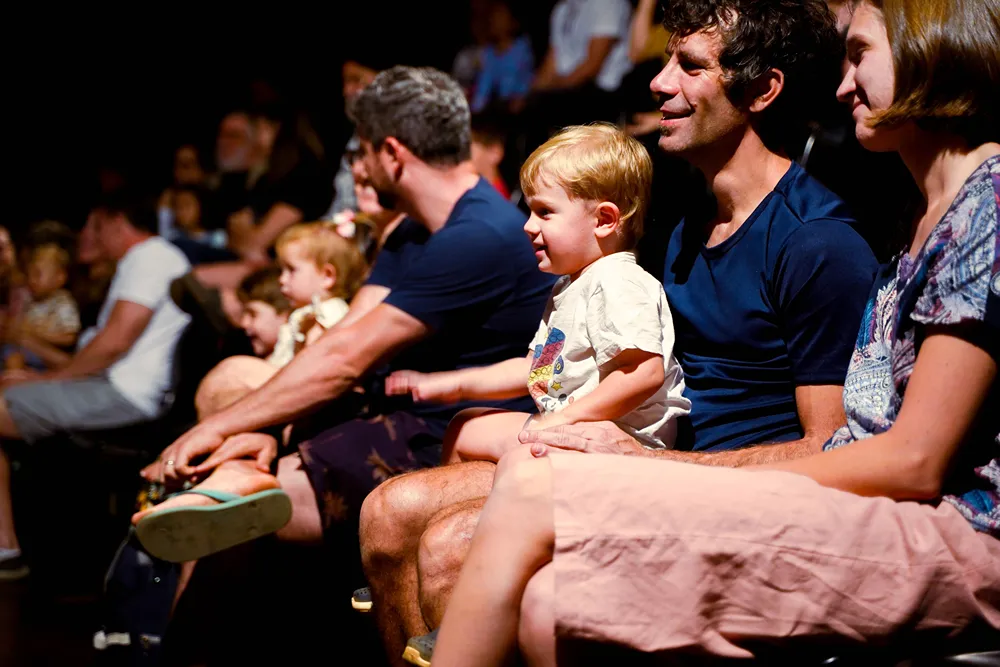
Books and movies introduce children to stories, but a live performance changes the relationship between audience and story. Actors respond in real time, sets transform a physical space, and children experience laughter, suspense, music, and movement alongside other people.
An Orlando family theater experience can be an approachable entry point because productions created for young audiences are built with children’s perspectives in mind. Orlando Family Stage, for example, presents professional theater for young audiences and complements performances with arts-based learning, creative drama, acting, musical theater, design, and technical programs for students from pre-K through 12th grade.
After a show, resist turning the ride home into a quiz. Ask which character they would want to play, what surprised them, or how they think a particular effect worked. Questions with no single correct answer invite children to form their own relationship with what they saw.
Let Children Make Art Without Correcting It
Adults often praise children’s art while unintentionally controlling the process. A parent may show the “right” way to draw a tree, choose realistic colors, or fix a craft that looks uneven. That can shift the activity from experimentation to pleasing the adult.
Provide materials and let children make decisions. Paper, crayons, cardboard, fabric scraps, and modeling material can encourage open-ended play.
Instead of asking, “What is it?” try asking how they made a certain shape or why they chose a color. This treats the child as the artist and keeps attention on choices rather than whether the finished work looks recognizable.
Connect Museum Visits to One Great Conversation
A museum trip does not have to involve seeing every gallery. Young children in particular may enjoy the experience more when parents abandon the idea of completing the building.
Choose a handful of works and spend time with them. Ask children what they notice first, what they think happened immediately before the scene, or which artwork they would put in their bedroom. If a piece does not interest them, move on.
Looking closely is itself a valuable skill. Children learn that art can be questioned, interpreted, disliked, revisited, and discussed rather than merely treated as something important adults already understand.
Use Music as More Than Background Noise
Music becomes more interesting when children notice how it is made. Instead of always playing familiar songs passively, occasionally focus attention on an instrument, rhythm, vocal change, or repeated melody.
Introduce variety without demanding that children like everything. Different genres and traditions can broaden their listening vocabulary.
Live music can make these distinctions easier to understand because children can see which sounds come from which performers. At home, simple rhythm games, singing, or experimenting with an inexpensive instrument can turn listening into participation.
Make Creative Supplies Easier to Reach Than Screens
Children are more likely to create spontaneously when starting does not require an adult to retrieve supplies from a locked closet. Set up an age-appropriate creative area where useful materials have predictable places.
A drawer, rolling cart, or shelf can hold paper, pencils, washable markers, tape, and other safe materials. Older children might use sketchbooks, photography tools, sewing supplies, or creative software.
Visibility matters. A sketchbook sitting beside a pencil can prompt an idea in the same way an easily accessible tablet can prompt scrolling. The environment quietly influences which activity feels easiest to begin.
Show Them That Adults Can Be Beginners Too
Children quickly notice when adults praise creativity but avoid doing anything they are not already good at. Join them occasionally.
Draw badly. Learn a simple song. Try a dance step. Take photographs on a walk and compare what each person noticed. When children see an adult experimenting without embarrassment, they learn that creative activities do not require professional-level talent.
The point is shared curiosity. Being willing to say, “I don’t know how to do this yet” also demonstrates that learning can be enjoyable without immediate competence.
Connect Art to the Things They Already Love
A child who says they are “not into art” may simply have a narrow definition of it. Start with an existing fascination.
A child interested in superheroes might enjoy character design or costume construction. Someone fascinated by video games can learn about music, concept art, animation, storytelling, and environment design. A sports fan might become interested in photography, logo design, stadium architecture, or documentary filmmaking.
Once that door opens, parents can gradually introduce unfamiliar forms without presenting them as educational medicine.
Give Their Creative Work a Real Audience
Children often take creative work more seriously when it has somewhere to go. Display a rotating selection of drawings at home, hold a family performance, bind stories into a homemade book, or let a child design a birthday invitation.
Constantly calling ordinary creative work “amazing” can be less useful than noticing specific choices: an interesting color combination, a funny line in a story, or persistence with a difficult section of music.
Treating creative work with attention communicates that the process deserves space in family life.
At the same time, protect creativity from becoming another competition. Formal lessons can be valuable when a child wants deeper instruction, but artistic interests do not always need grades, auditions, trophies, or a path toward mastery.
Watch for the point at which enthusiasm starts becoming obligation. Some children thrive on rehearsals and structured classes; others need creative activities that remain private and pressure-free. Both approaches can build a lasting relationship with the arts.
Parents can offer opportunities without deciding in advance what those opportunities must become. Attend performances, keep materials available, listen to unfamiliar music, make things together, and talk about what you encounter.
A love of the arts usually grows through accumulation rather than one transformative lesson. A funny stage performance, an afternoon drawing at the kitchen table, a song heard live, and a painting that inspires an unexpected conversation can all become part of a child’s creative memory. When art is treated as a normal way to notice, question, imagine, and communicate, children have room to discover which forms of creativity genuinely belong to them.