How to Share Your Old School Photos With Your Children
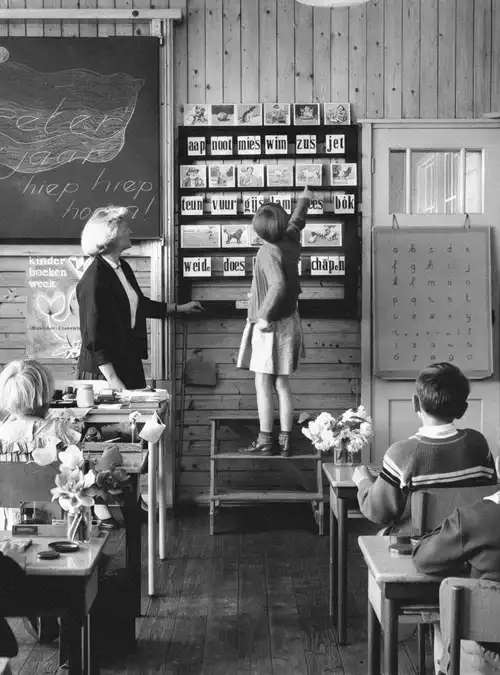
Childhood is full of little moments that often become some of our most treasured memories. From school assemblies and annual functions to classroom activities, birthday celebrations, and friendships, our school years hold countless stories worth sharing.
While parents often tell their children about their school experiences, photographs offer a more personal way to bring those memories to life.
According to a Frontiers study, photographs help preserve memories and shape cultural identity across multiple generations. They can create nostalgia, which helps preserve traditional and cultural values.
Similarly, sharing old school photos with your children can be a wonderful opportunity to introduce them to your childhood. They get to see what their parents looked like at their age, learn about the schools they attended, and more. These photographs can also spark conversations about friendships, teachers, favorite subjects, and memorable school experiences.
Start With Your Favorite School Memories
Before showing your children an entire collection of photographs, start with a few pictures that hold special meaning for you. Choose photographs from different stages of your school life, such as your first day, class group pictures, sports events, school trips, or annual celebrations.
Tell your children the story behind each photograph. According to a Sage Journals study, photographs do much more than document past moments. They can trigger feelings of happiness, nostalgia, grief, and belonging while helping people reconnect with different stages of their lives.
The author also highlights how discussing and sharing photographs creates emotional bonds between family members and even between researchers and participants. Overall, the study emphasizes that family photographs are valuable tools for preserving family stories, understanding personal identities, and passing memories and traditions across generations.
These personal stories can make old photographs more interesting than simply showing children a collection of unfamiliar faces. They also give your children an opportunity to ask questions and learn more about your childhood.
Find and Organize Your Old Class Photos, From Elementary to High School
You might have several school photographs stored in physical albums, old cupboards, or forgotten digital folders. Start by collecting everything you can find and sorting the pictures by school year, event, or class. This will make it easier to share them in a meaningful sequence.
However, storing and organizing old photos physically can sometimes become challenging. Instead, you can always find your yearbook online and share them on platforms like Classmates.
Such online resources and school-related communities can help you store, share, and find old class pictures from elementary, middle, and high school if you have misplaced some physical copies. Reconnecting with former classmates or contacting your old school may help you recover group photographs and other memorable moments.
Consider adding small notes with the year, school name, event, and names of people you recognize. Even a few details can help your children understand the context behind each photograph. It also makes the collection easier to revisit later.
Create a Childhood Photo Album
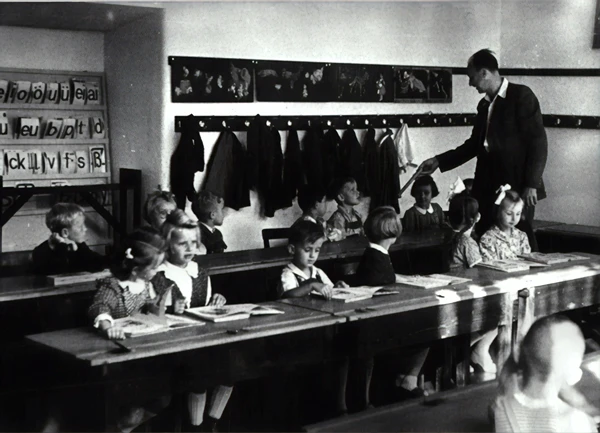
A dedicated childhood photo album is a lovely way to preserve your school memories and share them with your children. Instead of mixing school photos with other family pictures, create a separate album that highlights your academic journey.
Include photographs from different grades, school events, competitions, classroom activities, and farewell celebrations. You can also add handwritten descriptions, funny incidents, and interesting facts alongside the pictures.
For example, you could include a short note about your favorite subject, your best friend’s name, or a memorable experience with a teacher. If you have old report cards, certificates, or school event invitations, consider adding copies to the album.
A physical album gives children something they can explore independently. It can also become a family keepsake that they may enjoy sharing with their own children someday.
Make a Slideshow or Short Video
If your children enjoy watching videos, turn your old school photographs into a slideshow or a short video. This is a fun way to share your childhood memories in a format that feels familiar to them.
Arrange the photographs in chronological order and add simple captions with dates, school names, and event descriptions. You can also include background music that reminds you of your school days.
Research shows that digital storytelling through photos and videos can also help people with cognitive impairment. The study identified four key features of digital storytelling apps:
- Capturing memories
- Saving stories
- Reminiscing
- Sharing experiences with others
These features can support memory recall, strengthen personal identity, encourage emotional expression, and improve social connections with family members and caregivers.
You can create a slideshow using presentation software or simple video-editing applications. Keep the video relatively short and focus on photographs that have interesting stories attached to them.
Digitize Old School Photographs
Physical photographs can become damaged, faded, or misplaced over time. Digitizing them is a practical way to preserve your childhood memories while making them easier to share with your children.
Use a flatbed scanner or a smartphone scanning application to create digital copies of your photographs. Scan at a good resolution so important details remain visible. Save the images in clearly labeled folders by school year, event, or grade.
You can then organize the digital collection on your computer, in a cloud storage account, or on an external hard drive. This also makes it easier to share selected photographs with your children through a tablet, television, or smartphone.
However, it is also important to consider the challenges of sharing photos online, especially on social media.
“Our kids are the first generation to grow up shared. We are the first generation of parents to raise kids alongside social media, and that’s difficult,” writes UNICEF.
Recreate Your Favorite School Photographs
One of the most enjoyable ways to share your childhood memories is to recreate some of your old school photographs with your children. Choose a picture with a recognizable setting, pose, or activity, and try to recreate a similar photo together.
Place the original and recreated photographs side by side to highlight the similarities and differences. Your children may find it amusing to compare your hairstyles, clothing, and expressions.
This activity also creates new family memories while giving your children a personal connection to your childhood experiences. These nostalgic memories can be extremely valuable for strengthening the family bond.
A Taylor & Francis Online study found that people who experience and value nostalgia more often are more motivated to maintain their social relationships. This is associated with having more close social connections.
The researchers also found that nostalgia can help people preserve important relationships over time, even as social circles naturally shrink with age. These findings suggest that revisiting meaningful memories, including childhood and school experiences, can encourage people to strengthen existing bonds.
Frequently Asked Questions
At what age should you start sharing your childhood photos with your children?
You can start sharing childhood photographs with your children as soon as they become interested in pictures and familiar faces. Toddlers may enjoy recognizing their parents as young children, while older kids can understand the stories and experiences behind each photograph. Adjust the details you share according to their age and encourage them to ask questions.
How can you make old school photos more interesting for young children?
Connect each photograph with an activity, question, or fun fact to hold your children’s attention. For example, ask them to guess which person in the picture is you or what your classroom looked like. You can also compare school uniforms, hairstyles, classroom furniture, and playground equipment from different generations.
How can you involve grandparents in sharing old school memories?
Grandparents can add another perspective to your childhood stories because they may remember details that you have forgotten. Invite them to identify people, explain school traditions, or share stories about your academic experiences. Their contributions can help children understand how school life, family routines, and relationships have changed across generations.
Key Research Findings on Sharing Childhood Photos Across Generations
| Frontiers study | Photographs help preserve memories and cultural identity across generations. |
| Sage Journals study | Photographs can evoke happiness, nostalgia, grief, and belonging. |
| Digital storytelling research | Identified 4 key features: capturing memories, saving stories, reminiscing, and sharing experiences. |
| Taylor & Francis Online study | People who value nostalgia more tend to be more motivated to maintain social relationships. |
Old school photographs are valuable reminders of the people, experiences, and moments that shaped our childhood. Sharing them with your children gives them a chance to learn more about their parents while sparking meaningful family conversations.
Whether you digitize old pictures, make a slideshow, or recreate memorable photographs, the goal is to make these memories accessible and enjoyable. Take time to explain the stories behind the pictures and encourage your children to ask questions.