Dangers of Social Media for Kids: Key Cyber Risks Parents Must Watch
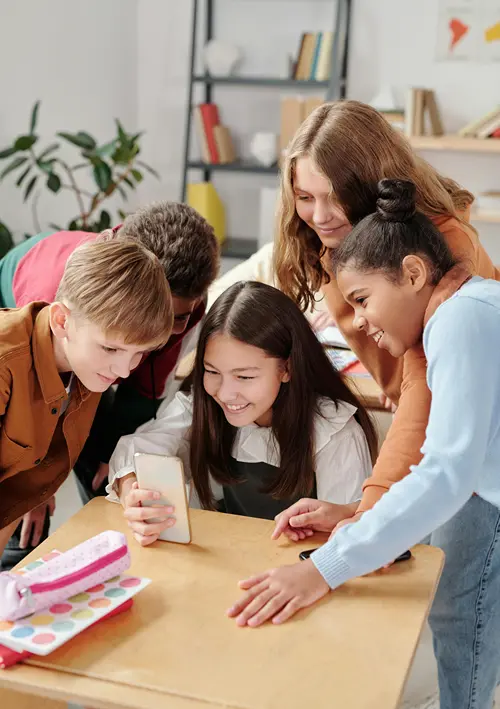
Every day, millions of kids log into social media, where they share photos, chat with their mates, and discover new things that take their interest. Unfortunately, social media also exposes them to serious cybersecurity threats that you, as a parent, may not even have a clue about.
The problem is that unprepared children can easily “fall for the bait” and even jeopardize the safety of your entire family. Recent data shows that nearly half of teenagers are on the net almost 24/7. That constant connection makes them a lot more likely to get caught out by cyber attacks like data harvesting, identity theft, online scams, and getting in touch with dodgy characters.
How Personal Information Becomes a Security Risk
Have you ever thought about how your social media posts might mean more than just “I’m having a birthday party”? When kids post a photo from a school event, check in at a local restaurant, or show how they decorated their house for Christmas, they are revealing details about their lives, families, and leisure activities to the world. All these small bits of information start to build up to create a pretty detailed picture that “bad guys” – i.e., cybercriminals – can misuse.
It’s not hard to see the dangers of oversharing on social media when you think about how easy it is for people to put all these bits of info together. A photo of a school uniform gives away which school your child goes to. A post about a vacation lets the whole world know when your home is empty. A birthday party on social media says when your birthday is – that is often used as a password recovery question. Even things that seem harmless, like your kid’s favorite sports team or their pet’s name, can be answers to common security questions.
There are dedicated websites, such as Get Safe Online, TrustRacer, or other similar ones, that help parents get to grips with these digital safety challenges by providing expert advice on how personal information can be misused online. Their resources explain how oversharing creates security vulnerabilities and provide guidance on how you can protect your family’s digital footprint.
Children don’t often realize that their social media profiles are being watched not just by their mates but by data brokers, advertisers, and people who want to cause trouble. According to the ICO’s review on children’s online data, many online services collect loads of info about young users, making a pretty detailed picture that follows them into adulthood. This data collection is another entry point for security breaches.
The Tricks Scammers Use on Social Media
Scammers have gotten wise to social media, so they use tricks that catch young users off guard. And this is one of the main risks of using the internet for children. Unlike adults who might know what to look out for in emails, kids see threats hiding in plain sight as normal social media stuff. These attacks are designed to make you click on links and share info without really thinking about it.
Common scams that catch children out include:
- Phishing through fake accounts – messages that seem to be from their friends, asking them to click links or vote in polls that actually lead to fake login pages that nick their login details.
- Quiz and survey scams that look like fun personality tests but are actually just collecting info – asking questions that match the security questions of financial institutions.
- Fake giveaway scams that promise free gaming loot, concert tickets, or merchandise in return for your personal information, your email address, and, if you’re really unlucky, your parents’ credit card details for “verification”.
When a child answers questions about their first pet, their mother’s maiden name, or the street they grew up on, they’re unknowingly giving away the answers to common password recovery questions. These scams collect data that can be sold or used for identity theft.
The Real Risks of an Account Takeover and Identity Theft
When a kid’s social media account gets hacked, crooks can waltz into their private messages, friend lists, or other personal information, and use that info to set up some seriously nasty attacks. Compromised accounts are a goldmine for them because messages coming from a familiar face are way more likely to be trusted and clicked on, making it a hell of a lot easier to spread malware or scams.
And that’s bad enough, but the thing is – identity theft targeting young people often goes on for years without anyone even noticing. A child’s Social Security number can be used to open up credit accounts or create completely fake identities. Usually, it’s not till they try to get their first credit card or student loan that the problem gets discovered.
Catfishing and fake profiles: what could this mean for you?
What could be worse than realizing how easy it is to deceive your child by creating a fake profile that seems like their friend’s profile? It is common practice for attackers to use stolen photos and sophisticated manipulation to make profiles look real so they can gain children’s trust. And it’s not just a few weirdos – data shows a whopping third of 9-12 year olds reported getting unwanted online messages, with that number going up and up.
AI has gotten good enough to make fake profiles that are almost impossible to track. They use real photos lifted from other children’s accounts, or generate their own images that don’t turn up anywhere else online.
Your Kid’s Online Location – and the Risks That Come with It
A lot of parents have no idea that their child’s social media posts can give away their exact location. Photo metadata might have GPS coordinates that pinpoint right where the picture was taken. If a kid posts a photo from home, school, or regular hangout spots, they’re basically broadcasting their daily routine to the world.
Some platforms make it super easy for kids to share their location. Snapchat Maps gives out real-time updates, while Instagram makes it easy to tag posts to specific places that can be tracked. And if you combine that with enough other posts, you can start to figure out when they’re home alone, where they go to school, or what they do after their activities.
Risks of data harvesting
Social networks are cool in how they simplify communication between us; and terrible in how they collect huge amounts of data about you and your child. They track every click, pause, and scroll to create detailed behavioral profiles. Not just data about what they post, but also how long they spend looking at certain things, what they search for, who they talk to most, and even what they type before hitting delete.
And that’s not even counting all the third-party apps and games that integrate with social media. If your kid uses those, they’re basically handing over access to their entire profile, friend list, and photos. Many children grant these permissions without understanding what they’re sharing. And if those companies get hacked, your kid’s data can be exposed to anyone.
Effects of Inappropriate Content on Minor Security
The effects of inappropriate content on minors extend to real risks when a kid runs into malware disguised as ’fun’ content, or gets phished by a predator who’s been watching their browsing history. That’s just the beginning, because if your kid stumbles into that kind of thing, they can get blackmailed into doing all sorts of things they don’t want to do.
Sextortion schemes are a pathetic attempt to use children’s natural curiosity and mistakes against them. If a kid accidentally comes across something they shouldn’t be looking at, scammers claim to have got evidence of it on their phone or computer and threaten to share it with all their friends unless they pay some money or send them even more compromising material. Current statistics on kids’ social media use confirm that the majority of teenagers use YouTube, TikTok, and Snapchat regularly, with many reporting near-constant internet access.
Protecting Your Little Ones from the Dangers of the Internet
Knowing what’s out there is just the beginning. Parents need practical ideas to stop their kids getting caught in the first place – without cutting them off from the world completely.
Here are some essential things to put in place to reduce the risk:
- Get tough on privacy settings – turn up the security settings to max, switch off location tracking, limit who can contact your child, and get them to agree to any tags or mentions.
- Lock down the devices – turn on parental controls, get some security software with age-appropriate web filtering, and set up separate accounts for your kid with really limited access.
- Clear the rules – work out a family policy about what personal information is and isn’t okay to share online – and no sharing of addresses, phone numbers, schools, specific locations, or anything else that could put you in danger.
- Talk about it – have regular and open dialog about what they’re up to online, but try not to be too overbearing, you want them to feel like they can come to you with any problems.
For more detailed advice on how to keep your family safe online, we’ve got loads of resources like social media safety tips for kids that will give you more tailored advice for different age groups and platforms.
Why Technical Literacy Matters More Than Ever
The question of whether kids should have social media or not is a tough one to answer. The truth is that social media is now a huge part of our lives – and that includes school and education too. The real question is how social media can be dangerous, and how we can prepare children to use platforms safely.
Helping our young ones understand what happens to their data online (and what kind of risks that brings) is key. Teaching them to spot a phishing email, to figure out when someone is pretending to be someone else on the internet, and to question anything that seems off will give them the skills to stay safe for life. Research on Gen Z mental health statistics shows complex relationships between digital engagement and wellbeing, and that we need to find a balance that helps them stay safe.
Creating a Better Online World for the Next Generation
Why social media is bad for kids is just as much about the way the platforms are designed as it is about what’s actually on them. All too often, these services are designed to keep us hooked, not to keep us safe.
So, how can we create a family plan for social media? One that sets out clear rules and expectations, but also lets our kids grow and develop their own sense of what’s right and wrong. By including them in the process, we can help them develop a sense of what’s acceptable and what’s not. That way, we can teach them to regulate their own online behavior.
Conclusion
From identity theft to online predators and from data harvesting to location tracking – the risks are very real and are becoming more and more of a problem every day. Even apps that require parental consent put teens at risk without teaching and oversite.
But by knowing what’s coming, parents can take action to keep their kids safe. While we can’t eliminate all risks, you can take care of your child’s privacy settings on social networks and apps, be alert to suspicious activity, and make sure they are well aware of all the cyber threats posed by social media and how to deal with them. If your children understand who scammers are, how they collect information, and how they use it against them, you can be more confident in their safety.