A Teen Perspective: Growing Up Around Addiction

Growing up isn’t easy, and it’s our teenage years that can often be the most complex as our bodies change and we become more interested in things like relationships, potential careers and the many temptations that start to become more accessible, such as drugs and alcohol. We also become more aware of what’s happening around us when it comes to things like that, too.
When a parent, sibling, or close family member struggles with substance misuse or addictive behaviours, everyday life often becomes unpredictable. From the outside, things may appear normal, yet behind closed doors, many young people are navigating emotional challenges far beyond their years.
It can be an incredibly difficult time, seeing a loved one fall into serious issues of substance abuse like ketamine addiction or alcohol withdrawal, and that’s for many reasons, too.
Living with Uncertainty
One of the most difficult aspects of growing up around addiction is uncertainty. Teenagers usually rely on adults to provide stability and support, but addiction can disrupt that sense of security. A parent might promise to attend a school event and then fail to show up, or moods in the household may change suddenly, depending on whether substances are involved. Over time, this unpredictability can lead to feelings of disappointment, anxiety, and confusion.
Growing Up Too Quickly
For many teenagers, there is also a strong sense of responsibility that develops far too early. Some young people find themselves taking on roles typically meant for adults, such as caring for younger siblings, managing household tasks, or trying to keep the peace during difficult moments. While this can build resilience and maturity, it can also create pressure that teenagers are not emotionally equipped to handle. The feeling that one must “hold everything together” can be exhausting.
The Weight of Secrecy
Another common experience is secrecy. Addiction often carries stigma, and families sometimes avoid talking openly about it. Teenagers may feel unable to discuss what is happening at home with friends or teachers out of fear of judgement or loyalty to their family member. This silence can lead to isolation. When others are chatting about ordinary family life, a teen living with addiction may feel as though their reality is completely different.
School as Both Escape and Challenge
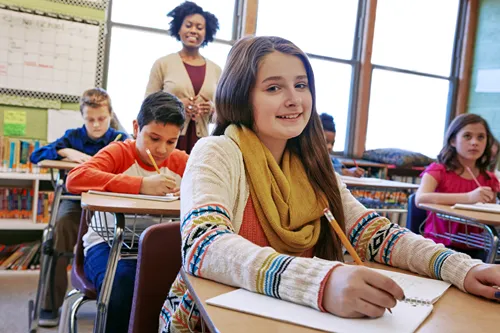
School can become both a refuge and a challenge. For some teenagers, being at school offers a break from a difficult home environment. It can be a place where routines exist, and expectations are clear. At the same time, concentrating on lessons can be difficult when there are constant worries about what might be happening at home. A teenager may spend the day wondering whether their parent is safe, whether an argument has broken out, or whether they will come home to chaos.
A Mix of Difficult Emotions
Emotionally, living around addiction can bring a mix of love, anger, guilt, and sadness. Many teenagers deeply care about the person struggling with addiction and want to help them recover. However, they may also feel frustrated or resentful when promises are broken or when addiction seems to take priority over family relationships. Some teens even blame themselves, believing they could somehow fix the situation if they behaved differently. In reality, addiction is a complex condition that no child or teenager can control.
Strength and Resilience
Despite these challenges, many young people growing up around addiction develop remarkable strength. They often become highly empathetic, responsible, and aware of the complexities of life. Experiencing hardship can motivate some teenagers to pursue different paths for themselves, particularly when they have access to supportive adults such as teachers, relatives, or mentors.
The Importance of Support
Support plays a crucial role in helping teenagers navigate these experiences. Being able to talk openly with a trusted person can make a significant difference. Counselling services, school support staff, youth groups, and helplines can provide safe spaces for young people to express their feelings without fear of judgement. Simply knowing that they are not alone can be incredibly powerful.