Category: Parenting

Top 10 Ways to Make Moving Less Stressful for Children

Parents pushing their child in a cardboard box.

Moving ranks high on the stress scale for families. Kids feel this pressure even more than we think. They’re leaving behind friends, teachers, and every corner they know. But parents can do plenty to smooth things over. Small actions make a real difference. These ten strategies help children handle the big change without falling apart.

Start Conversations Early and Keep Them Honest

Tell your kids about the move once plans are solid. They need time to wrap their heads around it. Springing it on them last minute just makes everything worse.

Be straight with them about what’s happening. Skip the sugar coating. Some children will worry about making new friends. Others stress about changing schools. Listen to what they’re actually saying instead of brushing it off.

Talk about the good stuff too. Maybe they’ll get a bigger room. Perhaps there’s a pool nearby. Give them real things to get excited about.

Involve Children in Planning and Decisions

Let kids have a say in how things go. They can pick colors for their new bedroom walls. Take them furniture shopping if you’re buying new pieces.

Show them pictures of the house before you move. Walk through videos together if you have them. Point out the backyard or the park down the street. Seeing the place helps them imagine living there.

Make a folder they can keep with info about the new area. Toss in maps, school brochures, photos of local spots. Having something physical to look at helps when they feel worried.

Let Professionals Handle the Heavy Work

Your stress level directly affects your kids. When you’re frazzled, they pick up on it fast. Professional movers take the physical work off your plate. Local movers pack everything up, load it safely, and get it to your new place without you throwing out your back.

This frees you up for the important stuff. You can comfort your nervous seven-year-old instead of hauling boxes. You stay calm, they stay calmer. Pretty simple math.

Plus, nobody ends up in urgent care with a pulled muscle. The last thing your family needs is an injury derailing everything.

Give Children Control Over Their Belongings

Hand your kids some boxes and let them pack their own stuff. Give them markers to draw on the boxes. Suddenly packing becomes way less awful.

Let them choose what matters most right now:

  • Their favorite stuffed animal rides in the car
  • Special toys stay within reach
  • Books they’re reading come along
  • Photos from their room get protected

Older kids can make lists of what they’re packing. Little ones just need to pick their must-haves.

Never toss their things without asking first. Finding out their beloved toy vanished breaks trust instantly. Go through stuff together. Respect what they care about even if it seems silly to you.

A child helps his parents unpack moving boxes in their new home.

Keep Familiar Routines During the Transition

Kids run on routine. Breakfast, school, bedtime. They need that structure when everything else is chaos. Keep meal and sleep times the same. The National Association for the Education of Young Children backs this up. Routines help children feel secure during transitions and big changes.

Pack one bag with their normal nighttime and morning stuff. Toothbrush, pajamas, favorite bedtime book. These everyday items anchor them when the world feels upside down.

Don’t pull them out of activities early unless you absolutely have to. Stopping soccer or piano lessons weeks before the move just adds to their losses. Let them finish out the season or month.

Create a Special First Night Box

Pack a box for each kid with everything they need that first night. Label it super clearly. Pack this one last so it’s easy to grab first.

Each box should have:

  • Clean pajamas and tomorrow’s outfit
  • Toothbrush and any medicines they take
  • Their comfort item or favorite toy
  • Books they like at bedtime
  • Snacks they enjoy
  • Maybe a small new toy as a surprise

Consider this box a peace offering. It says you thought about what they’d need. That matters more than you’d think.

Keep these boxes in your car, not the moving truck. You want them instantly without digging through everything else. Fast access means faster settling in.

Arrange Childcare for Moving Day When Possible

Moving day gets wild. Movers everywhere, boxes stacked up, constant noise and movement. Young kids often just get overwhelmed by all of it.

Call in grandparents or close friends if you can. Having the kids elsewhere keeps them safe and happy. You can focus on directing traffic without worrying about little feet underfoot.

No childcare available? Set up a quiet corner away from the action. Load it with activities. Coloring books work. Movies on a tablet help. Check in often but keep them out of the main zones.

Older kids might want to help with easy tasks. Let them label boxes or put stickers on furniture. Just keep them away from doorways and heavy loads.

Turn Moving Day into Something Positive

Stop treating moving day like a disaster waiting to happen. Ease anxiety by making it fun instead. Create a playlist of songs everyone likes. Let kids wear whatever’s comfortable, even if that means pajamas all day.

Take photos as things happen. Snap pics of them in the empty old house. Get shots at the new place. These become memories they can look back on proudly.

Order their favorite food for dinner that night. Nobody wants to cook after moving all day. Pizza or tacos beat trying to find pots and pans. Easy wins count.

A girl sits in a cardboard box shooting a nerf gun.

Set Up Children’s Rooms First

Your kids’ bedrooms come before anything else. Get those spaces ready first. Familiar surroundings help them sleep better that first night. Consistent sleep patterns and spaces matter for kids handling stress.

Try to set up furniture like their old room if you can. Hang up the same posters right away. Use their regular sheets and blankets. Small familiar touches provide comfort in a strange place.

Then step back and let them organize their own stuff. Don’t swoop in fixing everything to look perfect. Their room, their choices. That sense of ownership helps them adjust faster.

Help Them Settle into the New Community

Get out and explore within those first few days. Walk around the neighborhood together. Find the nearest park and playground. Show them where the library is. Point out the ice cream place or pizza shop.

Include them in setting up shared spaces too. Ask where they think the couch should go. Get their input on hanging pictures. Making these choices together shows this home belongs to all of you.

Meet neighbors with kids around the same ages. Set up some casual hangouts or playdates soon. New friendships ease the transition better than anything else you can do. Social connections beat perfect room setups every time.

Share This Article

4 Hobbies That Parents Can Share With Their Kids

View from behind a mother and daughter with backpacks on a path.

Finding quality time to connect with your children can feel like a challenge amidst the daily shuffle of school, work, and household chores. Shared hobbies offer an excellent solution, creating dedicated moments for bonding while helping your kids develop new skills and passions. Below, we list some of the best hobbies that parents can share with their kids.

Cook Together

Turning your kitchen into a shared creative space offers benefits beyond simply preparing a meal. Cooking teaches children essential life skills, such as following instructions, measuring ingredients, and understanding kitchen safety. It’s also a fantastic outlet for creativity, allowing kids to experiment with flavors. Most importantly, working on a recipe together creates a unique opportunity for teamwork and conversation.

Bake Together

If your child has a sweet tooth, baking is also a culinary hobby that parents can share with their kids. From mixing the dough to decorating the final product, baking engages kids in a hands-on experience that improves coordination and focus. It’s a chance to introduce concepts like measurements, fractions, and timing, all in a practical and enjoyable context.

Explore the Great Outdoors with Hiking

A family hike is a fantastic way to promote physical health and an appreciation for the environment. It’s a great non-tech-related hobby to do with your kids as it offers a break from screens and the daily routine, providing a peaceful setting for genuine connection. Navigating a trail and discovering nature’s beauty together can powerfully strengthen your family bond.

To begin, choose trails appropriate for your children’s ages and fitness levels. Make it more exciting by creating a scavenger hunt where kids look for specific leaves, rocks, or birds. Packing a picnic for a scenic spot can also make the outing more memorable and rewarding for everyone.

Get Lost in a Good Book

Reading together is a timeless way to build literacy and spark a child’s imagination. It creates quiet, meaningful moments for emotional connection, away from daily distractions. It also encourages discussions about characters, plot, and lessons, helping children develop critical thinking and empathy.

Make reading a daily ritual by setting aside time each day. Take turns reading aloud to keep it interactive, or visit the local library weekly to explore new genres and authors.

Mom and daughter creating something with clay.

Build Models

If your child loves building and trains, planes, or automobiles fascinate them, building models together is a great way to stoke their engineering interest and spend time together. It’s easy to get your kids involved in model railroading by starting small and slowly building your skills and interest together.

Building something tangible from start to finish fosters accomplishment and collaborative problem-solving. It’s a hands-on way to learn mechanics and history together.

Bond With Your Kids Over a Shared Hobby

These hobbies provide more than just something to do; they are gateways to deeper connections and shared growth. By choosing an activity to explore together, you are investing in your relationship with your child. Start today and discover which new passion will bring your family closer.

Share This Article

Safety Tips for Travelling with Kids: A Complete Guide for Stress-Free Family Adventures

Travelling with children is a strange mix of magic and mild chaos. One minute you’re watching them stare wide-eyed at mountains or airplanes, and the next you’re digging through your bag because somebody has suddenly — urgently — misplaced their shoe. Still, when you look back later, these are often the moments you remember most.

But if there’s one thing parents agree on, it’s this: a little preparation goes a very long way, especially when it comes to safety. Feeling prepared means you get to enjoy the fun parts more fully, and the stressful parts don’t feel quite so overwhelming.

Below is a practical, experience-based guide that keeps safety at the center but still recognizes that families are human — unpredictable, funny, emotional, and wonderfully alive.

1. Start With the Essentials: Documents First, Everything Else Second

Let’s begin with the one thing you absolutely can’t afford to forget: documents. Clothes can be replaced. Snacks can be bought. But passports? Those must be right from the start.

If you’re travelling internationally, remember that every child — including infants — needs their own passport. And because little faces change so fast, their photo needs to match their current appearance. Thankfully, you no longer need to pin a squirming baby under harsh photo-booth lighting. You can create a baby passport photo online, using services that automatically check background, size, and alignment. A huge relief when you’ve already got a long list of things to handle.

  • Gather your travel papers and keep them together in a waterproof pouch:
  • Passports and IDs
  • Printed reservations
  • Travel and health insurance
  • Emergency contacts
  • Copies of prescriptions
  • A few passport-size photos (for visas or replacements)

Then — this part is easy to forget — scan everything. Store digital copies in a secure cloud folder. If anything gets lost or soaked, you’re not left helpless.

2. Have a Safety Talk Before You Leave

Kids don’t automatically know how to stay safe in new places. They learn it gradually, through conversations and repetition — sometimes endless repetition.

Before the trip, talk about things like:

  • What to do if they suddenly can’t see you in a crowded place
  • Who counts as a “safe helper”: police officers, hotel staff, airline workers
  • Why they shouldn’t wander off, even for something interesting
  • How to say your name and phone number (or show it on a bracelet)

For younger children, turning this into a tiny game can help:

“Okay, pretend you can’t see us for a moment — what do you do?”

It makes a potentially scary topic approachable.

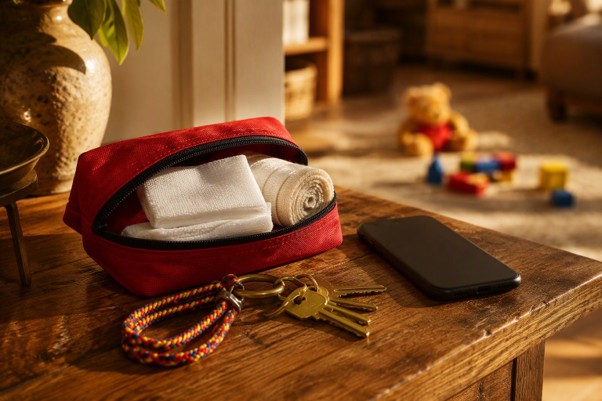
3. Pack a First Aid Kit (A Small One Saves Big Troubles)

Most parents have lived through the classic travel mishap: scraped knees, mild fevers, a mystery rash, motion sickness that comes out of nowhere. A small first aid kit prevents panic later.

Include:

  • Plasters and antiseptic wipes
  • A child-safe pain reliever
  • Motion sickness tablets or bands
  • Rehydration sachets
  • A thermometer
  • Anti-itch cream
  • Any allergy or asthma medication

And keep this kit in your carry-on, not buried in a suitcase three rows beneath the airport conveyor belt.

4. Choose Safe Accommodation — Then Kid-Proof It Quickly

When booking a place to stay, parents naturally see the world differently. You’re not just thinking about views or breakfast; you’re also checking balconies, railings, and room layout.

Once you arrive, take two minutes to walk through the room:

  • Move fragile items out of little hands’ reach
  • Check balcony doors and window locks
  • Look for exposed outlets
  • Make sure furniture is stable
  • Put sharp objects (like the hotel’s decorative bowl? Why do they always have one?) somewhere safe

This mini-routine prevents a surprising number of “Oh no!” moments later.

5. Stay Smart When Moving Around

Transportation is often the most stressful part of family travel — airports, buses, busy streets, rental cars you’re still figuring out.

A few reminders help:

  • For flights, keep medicine and essentials in your carry-on
  • If renting a car, request a proper child seat (or bring your own if regulations allow)
  • On trains or buses, sit together and avoid door areas
  • Teach children to hold onto a sleeve, hand, or even the stroller when crowds get dense

For toddlers with a deep desire to run toward every shiny object, a small safety harness can be sanity-saving in crowded places.

Smart phone with maps in a car dash holder.

6. Use Technology Smartly — But Don’t Depend on It Alone

Technology can help enormously, but it shouldn’t become the only layer of safety.

Useful tools include:

  • GPS tags for backpacks or comfort items
  • Location-sharing apps
  • Offline maps
  • Translation apps
  • Digital backups of documents

Still, remind kids (and yourself) that phones can die, get lost, or simply lose signal. Awareness still matters more.

7. Stay Aware of Food and Water Safety

Kids often want to try everything — which is wonderful, unless their stomach strongly disagrees later.

A few gentle rules help:

  • Choose busy restaurants (fresh food cycles faster)
  • Avoid raw foods in areas with uncertain water quality
  • Drink bottled or filtered water
  • Pack a few familiar snacks

If your child has allergies, preparing a translation card with their dietary restrictions can avoid stressful misunderstandings.

8. Protect Children From Sun and Weather

Kids often get carried away by excitement and forget they’re burning or freezing. That’s where parents come in.

Bring:

  • Broad-spectrum sunscreen
  • Hats
  • Lightweight long sleeves
  • Plenty of water
  • Layers for cooler climates

Encourage them to say if they feel too hot, uncomfortable, or tired. Open communication can prevent the majority of sun-related or weather-related issues.

9. Reinforce Digital Safety on the Road

Kids love sharing photos or videos from trips, but safety online matters as much as safety offline.

Remind them:

  • Don’t post real-time location
  • Don’t reveal your hotel
  • Avoid connecting to unsecured Wi-Fi
  • Always ask before posting family photos

This isn’t about scaring them — just building thoughtful habits.

10. Prepare a Simple Emergency Plan

What if something unexpected happens? A plan — even a lightweight one — helps you stay calm.

Know:

  • The local emergency number
  • The nearest clinic or pharmacy
  • How to say your hotel address (or show it)
  • A clear meeting point if separated
  • Where your country’s embassy or consulate is

Keep a bit of local cash on hand. You’d be surprised how many situations it solves.

11. Let Kids Participate in Safety

Children cooperate more when they feel involved. Give them simple responsibilities:

  • Carrying their little backpack
  • Choosing a meeting spot
  • Remembering a safety rule

It builds confidence and a sense of partnership.

12. Build in Breaks — and Adjust Expectations

Travelling with kids is rewarding, but also tiring. Kids get overwhelmed more quickly than adults — crowds, noise, heat, long days. Don’t expect constant harmony.

Plan rest time. Slow moments. Snacks. Quiet corners. A few minutes in the shade.

Remember: safe travel is also emotionally safe travel.

Tall grass in the forefront with blurred family walking on the beach in the distance.

Conclusion: Safety Makes Space for Joy

Family trips don’t have to be perfect. They won’t be — and that’s okay. What matters most is that you’re out in the world together, learning, exploring, laughing, sometimes struggling, and building memories that will matter far more than any minor mishap.

With good preparation, the right documents, smart habits, and a flexible mindset, you can travel with confidence rather than stress.

Pack well. Talk openly. Stay curious. And above all — enjoy the journey.

Your next unforgettable family moment might be closer than you think.

Share This Article

Screen-Free DIY Projects Kids Can Start This Weekend

A boy and girl doing crafts together at home.

Spending a weekend without screens might seem difficult at first, but it becomes simple when kids have hands-on activities to look forward to. DIY projects offer a chance to slow down, think creatively, and enjoy a calm environment that encourages focus. They also give families an opportunity to share time together without the distraction of devices.

This list highlights ten screen-free projects that children can start right away, using everyday supplies and a bit of imagination. Each activity is designed to be accessible, practical, and enjoyable for a variety of ages.

Homemade Nature Journals

A nature journal is a simple project that turns regular backyard exploration into a creative habit. Kids can fold printer paper in half, staple the spine, and create their own covers using markers, leaves, or pressed flowers.

Once the journal is ready, they can head outside to look for plants, insects, or interesting textures to sketch or describe. This activity encourages observation skills and gives kids a personal space to record what they discover.

DIY Bird Feeders

Making a bird feeder is a project that blends crafting with a basic science lesson on local wildlife. With an empty toilet paper roll, peanut butter, and birdseed, kids can make a feeder in minutes.

After hanging it outside, they can watch which birds visit and note the differences in color and behavior. It’s a simple way to introduce children to nature while giving them a project with visible results.

Introductory Fiber Crafting

Fiber crafts are excellent for improving fine motor skills and helping kids focus for longer periods. There are several methods children can try, including weaving with cardboard looms, simple embroidery, or making tassels from yarn.

One example that works especially well for beginners is a small decorative canvas made using punch needle kits. These kits typically include the fabric, needle, and instructions, making them easy for kids to use under light supervision. The repetitive motion is relaxing, and the finished project can be displayed in their room or given as a gift. This type of craft encourages patience and teaches the value of slow, steady progress.

Recycled Art Sculptures

Recycled materials—cardboard, bottle caps, plastic containers—often end up in the trash, but they are excellent for open-ended creative building. Children can design robots, cities, vehicles, or abstract shapes using glue and tape.

This project allows kids to experiment with balance, structure, and design. It also teaches the value of reusing materials before throwing them away.

Painted Rocks for Garden Paths

Painting rocks is a calming activity that lets kids play with color and patterns without any complicated steps. A small smooth rock works best, and acrylic paint adheres well to its surface.

Children can paint faces, animals, symbols, or simple geometric designs. Once dry, the rocks can be placed in the yard or garden to brighten outdoor spaces.

Handmade Greeting Cards

Greeting cards give kids an opportunity to create something meaningful for birthdays, holidays, or simple “thinking of you” messages. Cardstock, markers, stickers, and scrap paper are enough to get started.

This project helps kids practice writing heartfelt messages and gives them a sense of accomplishment when their cards are received by friends or family.

DIY Paper Kites

Simple paper kites are fun to make and even more fun to test outdoors. Kids can build a basic diamond-shaped kite using lightweight paper, wooden skewers, tape, and string.

Once the kite is assembled, decorating it becomes part of the creative process. Bright colors, stripes, or personal symbols can make each kite unique. On a windy afternoon, kids have the added reward of seeing their work take flight.

Mini Indoor Gardens

Growing plants is a hands-on project that teaches responsibility and patience. Small pots, soil, and seeds—such as basil, lettuce, or marigolds—are all kids need to start an indoor garden.

They can decorate the pots before planting and track the growth of each seedling in a notebook. This project also introduces children to the basics of caring for living things, from watering routines to understanding how sunlight affects growth.

Salt Dough Creations

Salt dough is a classic craft material that is easy to make at home. Children can mix flour, salt, and water to form a soft dough that can be shaped into ornaments, animals, or handprints.

After baking and cooling, the pieces can be painted and sealed. This project gives kids the satisfaction of holding something they made from start to finish using only a few basic ingredients.

DIY Story Stones

Story stones are smooth rocks painted with symbols, characters, or scenes that children can use to create their own stories. A sun, a tree, a house, or a simple character silhouette can each become prompts for imagination.

Once several stones are painted, kids can pull them from a bag one at a time and build a story based on whichever images appear. This activity boosts creativity and helps children practice sequencing, narration, and expressive thinking.

Helping Kids Thrive Without Screens

These ten DIY projects offer a productive way for kids to spend time on weekends without relying on screens for entertainment. The hands-on nature of crafting encourages patience, observation, and problem-solving. It also gives children a sense of independence as they complete projects on their own or with light guidance.

Adding creative activities into weekend routines helps build long-term habits that support balanced development. Kids learn to focus, follow steps, and appreciate the process of making something from simple materials.

Share This Article