Dental Cleaning for Kids: A Parent’s Guide to Stress‑Free Visits
First dental visits are unpredictable. Your child might handle the exam chair, bright lights, and teeth cleaning with ease, or they might find it overwhelming. There’s no way to know beforehand, and unexpected reactions are part of the experience.
Here’s how to turn a potentially stressful checkup and cleaning session into something your kid enjoys.
Why Early Cleaning Matters
Around 11% of toddlers aged two to five have at least one baby tooth with an untreated cavity. By the time they turn six to nine, about half would have had at least one missing, decayed, or filled baby and permanent teeth. These conditions lead to pain and discomfort, as well as problems with speaking and chewing food properly. (1)
Young children can develop dental issues whether they’re breast-fed or bottle-fed. Milk contains sugar that stays in their mouth and feeds decay-causing bacteria. This creates acids that can damage tooth enamel over time. But the problem is that baby teeth are thinner than permanent teeth. This makes them more vulnerable to decay. Poor dental habits only make these issues worse.
Brushing and flossing help. But they aren’t enough to prevent gum disease on their own. Visiting dental professionals reduces the risk of oral health problems because dentists can catch and address minor issues before they become serious.
It also allows young minds to associate dental check-ups with positive experiences. Frequent appointments teach them that routine dental cleaning for healthy teeth is a mandatory self-care practice, like having a haircut. Over time, they will consider it a normal part of growing up.
Before the Dental Appointment
Kids rely on their parents for oral care. That’s why a parent’s perception and attitude on the subject influences the toddler’s views for life.
Use Positive Language
How you talk about the dentist and the procedure matters. It’s a good idea not to mention words that might plant fear, for example, ‘pain’ and ‘drill.’ Expressing words of encouragement can also go a long way in providing a sense of security. (2)
Play It Out
Fear is a response to uncertainty. So, create a fun game about dental cleaning so that your child can feel and know what’s coming. You can even switch roles so they can feel in control and act out the visit using clear, simple words. This predictability helps ease anxiety. It also builds your child’s confidence before they even enter the clinic.
Choose a Pediatric Dentist
A 2024 global analysis revealed that 30% of children aged two to six have dental fear and anxiety. Ensuring that your child’s first dental appointment flows smoothly can save you from serious problems later on. (3)
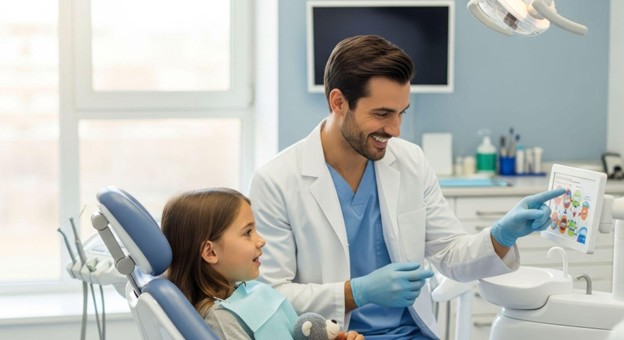
Pediatric dentists and hygienists are trained in behavioral management. They know how to speak to children using tested and proven techniques, primarily tell-show-do. They’ll explain what they’re going to do and hold up the dental instrument before performing the procedure, to establish trust.
Learn More About the Facility and Their Approaches
Choose a clinic with a relaxing environment and friendly dental staff. It should be equipped to handle challenging situations. Toddlers, for instance, are less likely to focus on the weird sounds and sensations in their mouths if they feel comfortable and entertained. Ask how they handle young patients.
Some use a low-noise dental drill to eliminate the whirring sound that causes fear. Others have weighted blankets and noise-cancelling headphones playing calming music to minimize anxiety.
Comfort Them During the Visit
Dental visits can feel overwhelming for kids, which is why parents are invited into the exam room for reassurance. Your role is to be your child’s advocate by staying calm and letting the experts lead.
Here’s the thing: children easily pick up on emotions and non-verbal cues. If you walk into the clinic visibly tense, you’ll set off alarm bells. But when your child sees you relax, they’re more likely to believe there’s nothing to fear.
You can also offer your hand or hold their knee if your child feels uneasy. If you see signs of severe anxiety that make the first dental visit challenging, it may be worth seeking professional treatment to address those fears.
Turn Regular Check-ups Into Milestones
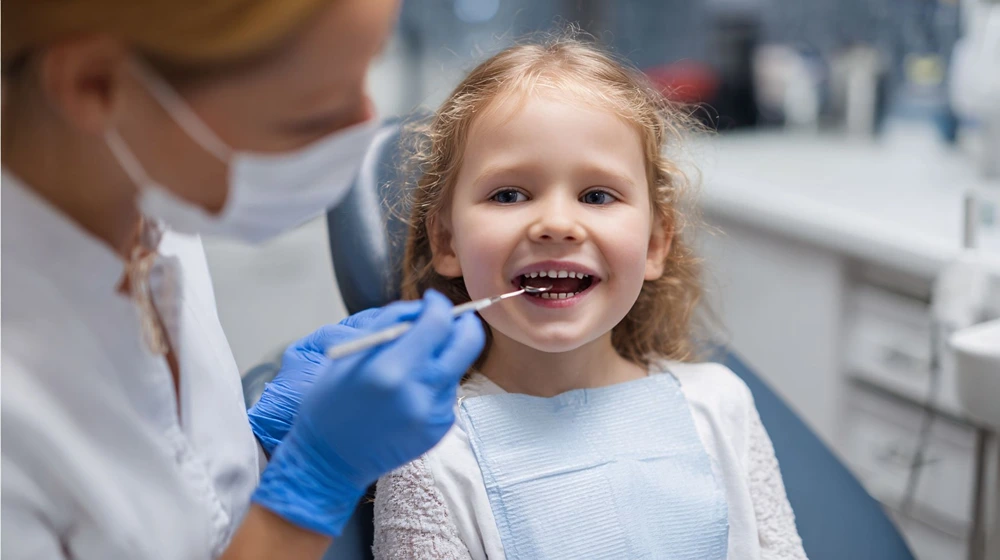
After the appointment, always offer sincere praise when your child behaves well. Use encouraging words to build their confidence and reinforce the positive experience. You can take it further by rewarding your child after each visit with something that reminds them of the activity, like a new toothbrush or fluoride toothpaste featuring their favorite cartoon character.
When Should Dental Visits Start?
According to the American Academy of Pediatric Dentistry (AAPD), all children should have their first dental visit before turning one or within six months after their first tooth appears.
This might seem early to some parents, and many wait until their child turns two to book an appointment. But there’s a good reason for the early timing. A professional dental cleaning isn’t required on the first visit. Instead, the first few trips focus on introducing the child to the environment. It also teaches parents how to establish good oral hygiene practices, including proper brushing techniques. The dentist will also check that the baby’s primary tooth or teeth are developing properly.
Wrapping Up
Some parents dread dental appointments and think they’re too overwhelming. But much of the stress can be eased with the right approach. As a parent, your role is not to control every detail but to create a calm and supporting environment.
Pay attention to your child’s fears and learn to respond appropriately. Partnering with your dentist can also help you shape your child’s attitude toward dental hygiene for life. It’s something that will serve them well into their adulthood.
References:
- “2024 Oral Health Surveillance Report: Selected Findings”, Source: https://www.cdc.gov/oral-health/php/2024-oral-health-surveillance-report/selected-findings.html
- “Words of Encouragement for Any Situation”, Source: https://www.verywellmind.com/words-of-encouragement
- Global prevalence of early childhood dental fear and anxiety: A systematic review and meta-analysis”, Source: https://www.sciencedirect.com/science/article/pii/