The Evolution of Play: How Parenting Styles Influence Playtime Activities
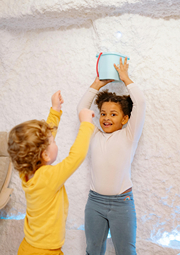
Remember the good ol’ days of playtime? Back when kids would run around in the neighborhood, playing tag, building forts, and letting their imagination run wild? Well, playtime has come a long way, and much of this evolution can be credited to how parenting styles have changed over the years.
Whether you’re a parent who schedules every second of your child’s day or one who encourages free-spirited exploration, your style of parenting significantly influences how your little one plays.
In this article, we’ll explore the evolution of play, how parenting styles shape these activities, and how you can make the most of your child’s playtime—keeping it memorable, fun, and beneficial for their development.
The Role of Play in Childhood Development
Play isn’t just about having fun—although that’s definitely a big part of it! It’s essential for kids’ growth, helping them learn critical social, emotional, and cognitive skills. Through play, children experiment, solve problems, interact with others, and practice self-regulation. Whether they’re pretending to be superheroes or playing a game of tag, playtime is a vital part of childhood development.
Different Types of Play
- Physical play
Running, jumping, and playing ball games help develop motor skills.
- Imaginative play
Pretend play fosters creativity and problem-solving.
- Social play
Group games teach teamwork and social interaction.
- Solitary play
Playing alone encourages independence and self-reflection.
Historical Shifts in Parenting Styles
Play used to be simpler—structured around outdoor activities, or small toys like dolls and wooden blocks. Parents would often guide their children’s play, focusing on traditional games that followed societal norms.
As times changed, so did the way parents approached play. Modern parenting has embraced more flexibility, allowing children to explore different types of play on their own terms. Technology has become a big part of play, and with this, the definition of what counts as “play” has expanded.
Different Parenting Styles and Their Impact on Play
Every parent has a unique approach to raising their child, and this greatly influences how children play. Let’s break down some of the most common parenting styles and how they shape playtime.

Photo by Lukas
Authoritarian Parenting
Structured and Controlled Play
Parents who follow an authoritarian style tend to prefer structure in all aspects of their child’s life, including play. Playtime often involves specific rules and guidelines, with activities carefully selected to teach lessons or develop skills. You might see these kids playing board games with clear objectives or participating in sports where the rules are strictly followed.
Permissive Parenting
Free-Flowing and Child-Led Play
Permissive parents are the champions of child-led play. Their children are often given free rein to choose their activities, with minimal interference from the parents. Imaginative and open-ended play is common, whether it’s creating magical lands out of blankets or exploring new worlds in video games.
Authoritative Parenting
Balanced Playtime Activities
Authoritative parents strike a balance between structure and freedom. They encourage their children to explore and play independently but also ensure that there’s some level of organization and guidance. This might include a mix of outdoor activities, creative crafts, and educational games.
Uninvolved Parenting
The Minimal Influence on Play
Uninvolved parents, as the name suggests, take a hands-off approach to play. In this case, children may have to create their own play opportunities, often relying on their creativity or friends to fill in the gaps.
The Role of Technology in Playtime
Because the world nowadays is so tech-driven, balancing screen time with physical play can be tricky. While digital games can be educational, there’s no replacement for running around and burning off energy. Parents who limit screen time often see their kids getting more engaged in physical or imaginative play.
On the flip side, tech-savvy parents are finding ways to merge technology with play. Educational apps, interactive toys, and even VR games are becoming popular ways for children to engage in learning while playing.
The Rise of Hybrid Parenting
… and the Analog Play Revival
Parenting styles rarely exist in a vacuum — and in 2026, fewer parents are sticking to just one. A growing approach known as hybrid parenting has parents mixing and matching elements from different styles depending on the situation. An authoritative approach at the dinner table, a more permissive one during free play, and firm boundaries around screens. The result is a more flexible, context-driven style that many families are finding more sustainable than any single philosophy.
One of the most visible outcomes of this shift is a renewed enthusiasm for analog play. Board games are back in a big way. Puzzles, craft kits, backyard exploration, and even classic toys from previous decades are being deliberately chosen over streaming and app-based entertainment — not out of nostalgia alone, but as a conscious parenting decision.
This connects directly to the parenting styles discussed above. Authoritative parents in particular are embracing analog play as a way to offer guided, purposeful activity without over-scheduling or over-stimulating their children. Rather than choosing between structured and unstructured play, hybrid parents are designing environments where both can coexist — a board game night with rules and turns alongside open-ended fort-building in the backyard.
The goal isn’t to eliminate screens entirely, but to be more intentional about when and why technology enters playtime. Many parents are using tech to simplify household management — meal planning, scheduling, coordinating activities — precisely so they can be more present and screen-free during actual play.
For children, the benefits align with what research on play-based development already tells us: unstructured, sensory-rich, low-stimulation play builds attention span, creativity, and emotional regulation. Whether it’s a puzzle, a pile of building blocks, or a game of tag, analog play gives children space to be bored, to problem-solve, and to engage with the world around them on their own terms.
The Social Side of Play
Whether building a fort or competing in a Nerf gun battle, kids learn teamwork, communication, and problem-solving. In team activities, children strategize, share ideas, and resolve conflicts, helping them build leadership and empathy.
They also practice compromising and understanding others’ perspectives, all while having fun. Group play not only strengthens friendships but also teaches kids the essential skills needed for real-world social interactions.
Tips for Parents to Support Playtime
Supporting your child’s playtime is one of the best ways to foster their growth and creativity. Here are a few simple tips to help you do just that:
-
Mix guided activities with free play
Combine structured games with unstructured time to balance skill-building and creativity. This allows your child to explore new interests while developing independence.
-
Participate in play
Join your child in their play to strengthen your bond and show them you value their fun. It also gives you a chance to observe their behavior and understand their world better.
-
Encourage variety
Include physical play for motor skills and imaginative play for creativity. A mix of activities helps your child develop well-rounded skills for both body and mind.
-
Create a safe play space
Ensure your child has a safe, inviting area to play where they feel free to explore. A dedicated space can make playtime more enjoyable and promote self-expression.
-
Be mindful of overstimulation
Keep an eye on your child’s energy levels and adjust activities if they become overwhelmed. A balanced playtime allows for both active engagement and quiet reflection.
-
Praise effort, not outcome
Celebrate your child’s creativity and effort in play rather than focusing on results. This helps build confidence and encourages them to explore without fear of failure.
Conclusion
At the end of the day, the way your child plays is influenced by more than just their imagination—it’s shaped by you, the parent! By understanding your parenting style and the role you play in guiding their playtime, you can create a joyful, enriching environment where your kids thrive.