Category: Parenting

The Impact of Pop Culture Icons on Boys’ Fashion Trends

The Impact of Pop Culture Icons on Boys' Fashion Trends

From the Beatles’ iconic mop-top haircuts in the 1960s to Justin Bieber’s swoopy bangs in the 2010s, pop culture icons have always influenced the fashion landscape. Their effect on boys’ fashion trends has been particularly profound, offering inspiration and shaping personal style narratives for generations.

Through this journey into the world of boys’ wear and fashion, we aim to unravel the impact of these pop culture icons and their lingering mark today.  Consider it a modern history lesson of how music and personalities have shaped image throughout the decades.

The Beatlemania Influence

The British invasion of the 1960s wasn’t just a music phenomenon—it also dramatically altered the fashion landscape. The Beatles, arguably the most influential band of the time, were known for their distinctive ‘mop-top’ hairstyles, collarless suits, and later on, their flamboyant psychedelic prints. The ‘Beatle boots’, a pointed-toe and Cuban-heeled style, were especially popular among boys, who adopted this trend in droves to mimic their musical idols.

Punk Rock and the 70s

As the idealistic 60s gave way to the rebellious 70s, the fashion scene was dominated by punk rockers like the Sex Pistols and The Ramones. Their influence extended to boys’ fashion in the form of torn jeans, leather jackets, and band t-shirts. An anti-establishment sentiment reflected in these clothing choices; a rejection of traditional fashion norms, celebrating individualism and the DIY aesthetic.

Hip-Hop and Athletic Wear

In the 80s and 90s, hip-hop culture started influencing boys’ fashion. The likes of Run DMC, LL Cool J, and later, Tupac and Biggie, brought baggy jeans, oversized t-shirts, bandanas, and iconic sneaker brands like Adidas into the mainstream. Athleisure, as we know it today, can trace its roots back to this era.

Boy Bands and the Late 90s

By the late 90s, the fashion narrative had shifted again, this time towards boy bands like ‘N Sync and Backstreet Boys. They brought forth a fusion style, combining elements of streetwear with a cleaner, more refined look. Logo-centric clothing, denim-on-denim ensembles, and frosted tips became the rage among boys emulating their pop idols.

Emo Subculture and Early 2000s

In the early 2000s, emo music and culture, led by bands like My Chemical Romance and Fall Out Boy, brought skinny jeans, band t-shirts, and distinctively dark, often dyed, side-swept hair into boys’ fashion.

The Bieber Effect

In the 2010s, Justin Bieber was a game-changer. His style evolution from swoopy-haired boy-next-door to edgy, tattooed artist sparked a fashion revolution. Hoodies, snapback caps, and brightly colored high-top sneakers became staples, with boys everywhere sporting ‘Bieber hair.’

The K-Pop Wave

In recent years, K-pop bands like BTS and EXO have taken the world by storm to create a visual identity. Their eclectic, androgynous style, often involving oversized shirts, color-blocked outfits, and brightly colored hair, has been heartily embraced by boys looking to experiment with their fashion choices, breaking gender norms in clothing.

The TikTok Generation

In the age of social media, TikTok stars are the new pop culture icons. E-boys and e-girls have popularized chains, striped shirts, and baggy jeans, among other trends. Their style, a mix of punk, grunge, and skater influences, has found takers among boys seeking a unique, subcultural fashion identity.

Conclusion

Pop culture icons, through various eras, have been instrumental in shaping boys’ fashion trends. They often serve as the bridge between high fashion and street style, democratizing fashion and making it more accessible. However, while these figures provide a rich source of inspiration, let’s not forget that fashion should be a tool for self-expression. As such, it’s always more rewarding to use these influences as a guide to develop one’s unique style narrative, celebrating individuality over blind imitation.

In the world of boys’ fashion, trends may come and go, but the impact of pop culture icons endures, constantly influencing and evolving the style landscape. Today, as we see a blend of vintage and modern trends, it’s evident that the past continues to inspire the future, shaping boys’ fashion in fascinating ways.
Share This Article

How To Help Kids Handle Transitions

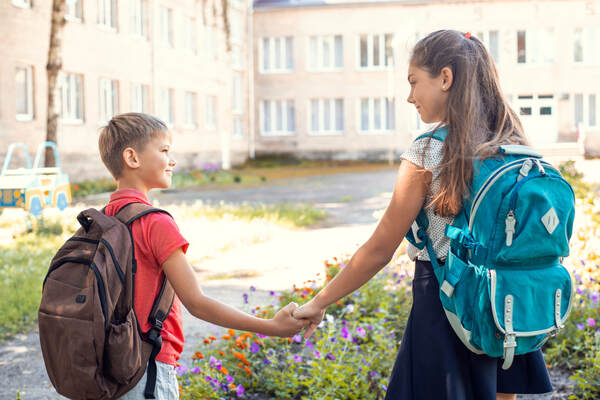
Transitions can be tough for human beings, especially young children who struggle to control their emotions. Humans are creatures of habit, inclined to develop routines. This is especially true for kids. With kids, however, it can be difficult to break them out of a routine and move on to another phase of their life.

To put it quite simply, transitions occur when children have to stop one activity and move away from a routine to proceed to other activities or through life changes. One of the most prominent transitions kids go through is when they graduate from preschool and transition to big school. In the latter, they’ll face more challenges, like gaining independence, lessening their tendency to hover by their parents, and getting used to many more classmates, to name a few.

Dealing with this can be challenging for a parent, too, but you both can work through this as a team. Here are ways to help children cope better with transitions and routine changes.

Communicate With Your Child

Communicating with your child is the only way for you to be aware of their feelings. Children go through transitions differently; some have it easy, while others find it a bit more challenging. Talk to your child as they go through this significant change in their life so you know what they’re feeling and what you can do to help them.

In most instances, transitions are hard for kids because of their fears. If you can help calm down their fears by assuring them that they don’t have to go through this change alone, they won’t have to dread the transition so much.

With your narrative, you can change the scenario from negative to positive, where this time around, your child will be looking forward to this new phase in their life.

Make Goodbyes Easier

Goodbyes are always the hardest for children, mainly because they find comfort in being with their parents. If this transition is going to be their first time away from you, you can expect the situation to be even more challenging.

Make goodbyes easier by helping them understand that you’re not going away. It’s just a temporary goodbye for at least a few hours. When they’re done with school, you’ll be there outside the school gate, for instance, waiting for them.

That being said, it’s essential to be consistent and punctual. Remember dismissal time, and be sure to wait before that time. If you’re late, you’re only making the transition harder for your kid because they’ll have added fears that no one’s coming to pick them up.

How To Help Kids Handle Transitions

Allow Them To Join In The Preparation

If the transition is due to moving to another state (or home), as stressful as it might be, let the kids join in every decision-making whenever possible. The same holds for big schools. Take them with you as you do school supplies shopping, where you also give them a chance to choose their school supplies.

The more involved the children are, the less foreign this change will feel to them. They can be more attuned to enjoying the whole process because they know what to expect. They’d likely be excited to move into their new home to enjoy their new room or look forward to a new school so they can use the supplies they’ve just bought.

These are only little things that go a long way in helping ease the negative emotions a kid feels about any big transitions.

Validate Your Kid’s Feelings

Parents often worry that their kid’s big feelings get amplified if they validate them. However, the opposite is true. Having someone genuinely understand their feelings allows children to process their emotions better and eventually let go.

This suggestion, therefore, goes hand in hand with communicating with your child. When you do so, you’re not just talking to them and getting a grasp of what they feel but also validating how they feel: ‘It’s okay, sweetie. Mom’s been there too. I understand you. I’ve also had to move from kindergarten to first grade in a new school.’

Sometimes, kids need to feel understood. And when you give them that, you’re also enabling a newfound sense of confidence they may have never even thought they’d be able to gather.

Smoother Transition To Help Your Child

True enough, change is the only constant thing in this world. It’s often labeled as inevitable, which children and adults will eventually face at certain points in their lives. This is where transitions come in. For children, transitions can be a stressful time, where they’ll find it hard to navigate through their emotions and adjust to what is the new norm in life. Try out the strategies above so that, hopefully, you can foster a smoother transition for your kid and the whole family going through the same.

Sending your child to daycare for the first time?  Explore strategies to help your child adjust.

Share This Article

Here Are 6 Changes Your Car Needs When You Have A Child

When you and your partner are expecting a baby, numerous changes will take place in your life. You’ll need to baby-proof your house, buy new clothes and items for the incoming infant, as well as the need to make significant adjustments to your daily routine.

But these changes don’t end inside the home. Having a child also means making changes to your car to make travelling easy with a baby in tow.

You don’t necessarily need to buy a new car. You just have to make installations and improvements to accommodate the needs and safety of your child. Childproofing your car ensures your child is comfortable when you take them on a quick drive or road trip.

Have Car Seat

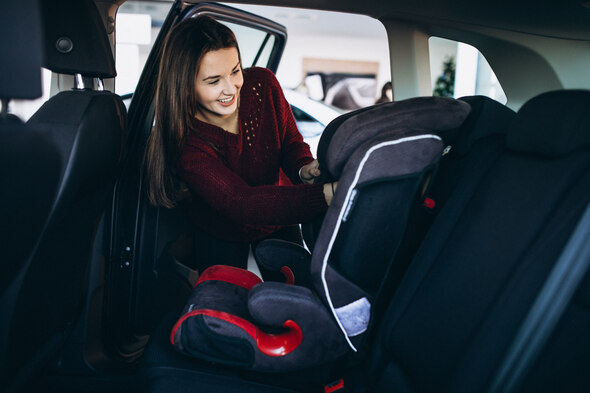
The car seat is the first item you need to install in your car. Choosing from numerous types, designs, and colours can be endless and overwhelming, especially for first-time parents.

You must remember that when choosing a car seat, you must consider what is appropriate for your child. Consider your child’s weight, height, and age. If you’re looking for a car seat 0 to 8 years old appropriate, a convertible car seat, a convertible booster seat, or unharnessed booster seat are the best options.

These three types of car seats are the most popular among parents:

  • A convertible car seat is suitable for newborns up to 4 years old. It is used in a rear-facing position for infants and a forward-facing position for children.
  • A convertible booster seat is suitable for a six-month-old baby up to eight years old child. It can be used forward-facing with a five-point harness or as a booster seat.
  • Unharnessed booster seat children are used by 4 to 8 years old children. It is suitable for children who have outgrown the convertible booster seat. Children with special needs may need customized support depending on their age.

A safe car seat is one of the things every parent needs to have when preparing for children

Place Cargo Carrier

Adding a cargo carrier to your car’s roof is a smart decision when you become a parent. Travelling with a child means bringing multiple things. These include a bag containing nappies, milk bottles, clothes, toys, and a baby stroller.

Most baby strollers usually do not fit inside the car or the trunk. Some even consume a lot of space, even when folded, have wheels, and have quite a wide dimension. Having a cargo carrier on the car’s roof means you can tie the baby stroller and bring it where you’ll be going.

Install Dash and Backup Camera

Installing a dash and backup camera records the activities happening outside your car. Backup cameras are beneficial when you’re parking. It helps you see animals or obstacles that your blind spot obstructs. This ensures a smooth parking experience for your child, free from bumps and unending car rotations.

A dash camera also ensures your and your child’s safety on the road. When driving, you can only control your speed and driving skills. You can’t control and don’t know how people around you will drive.

The dash camera records the roads where you’re cruising along, your car’s movements, as well as the cars in front of you, and could come in handy for security purposes in case you’re involved in an accident.

Change Car Bulbs 

It’s also time to change the bulbs not only in the car lights outside but also the lights inside the car. Installing new bulbs for the car lights lets you see the road clearly. You’ll be able to spot incoming vehicles on the other side and the people or bicycles you’ll pass by. This helps ensure you and your child come home in one piece.

Chasing the light inside the car is also beneficial. It would be easier to locate nappies, milk bottles, or toys inside your baby bag when the light inside that car is bright. You’ll be able to easily spot things since you can clearly see where they’re located.

Add Window Deflectors

Using window deflectors lets you and your child feel and enjoy fresh air regardless of the weather. It keeps the windows cracked when it’s raining and deflects the sun away from your and your child’s eyes on a scorching day. Window deflectors also reduce interior wind noise, heat, and fog.

GPS Tracker

A GPS tracker in the car helps you track where you have been. This is a precaution in case you leave something important like a document or the baby stroller somewhere. Tracing your steps with a GPS tracker and retrieving the lost item would be easier.

It also helps in theft and robbery protection. When you have this installed in your car, you can connect it to your phone and check if your car is still where you parked it. You can easily report to the police authorities the location of your stolen car as manifested in your phone.

Final Thoughts

For parents, updating car features is a must for child safety. This means installing a car seat, changing the car bulbs, and placing a cargo carrier. It also means adding the window deflectors, installing the dash and backup camera, and getting the GPS tracker for easier and safer driving. These are made to ensure your child’s well-being is taken care of. This is your reality, and your child’s comfort is now your top priority.

Share This Article

When Your Child Wants To Start a YouTube Channel: Is It Safe?

When Your Child Wants To Start a YouTube Channel: Is It Safe?

If you’re ever approached by your child and they have dreams of entertaining the world online by starting their own YouTube channel, you must do your research. While there are some perks to becoming an influencer, caution is always necessary. Let’s look at how your kid can become a YouTuber without compromising on safety.

Consider the Benefits of YouTube

Some parents can too easily shout out a resounding “no” when their kids say they want to start a YouTube channel. Usually, it’s because they think YouTubing is not worth the time or that there are better passions to pursue. However, YouTube is growing by leaps and bounds with billions of users around the world. Countless content creators are making a good living just by posting their opinions and content a few times per week.

In fact, there are many ways that kids and adults alike can make money on YouTube, including by getting enough views and subscriptions so you can join their partner program. Once a member, creators make money by running ads during the videos. The more viewers, the more money. There’s also the possibility of making money by selling products and merchandise, asking fans for donations, and adding affiliate links in the description of the videos.

Keep in mind that if your child is under 18, they are not eligible to join the YouTube partnership program themselves. Instead, you will need to sign the contract as a parent or guardian.

Even if they don’t become famous, your kids can learn many skills when working as a YouTuber, including video production, public speaking, sound editing, and more. Tech skills like these will continue to be relevant as time passes. So if your kiddo can dip their toe in the pond and learn a few things, then they could have a great career even outside of YouTube.

So, inquire further and take the time to ask your kids what they want to do on YouTube. Ask about the type of content they are thinking of producing. If it seems age-appropriate and they agree that you can monitor their channel along the way, then consider letting them try.

Monitor Their Work

If you have younger children, especially those under 13, then it’s essential that you’re there with them every time they upload and open up their videos to comments. The general rule is that it’s not illegal for a child under 13 to create a YouTube channel. Still, the parents must be aware of the account and cognizant that data can be collected from that account.

Even so, it’s wise for you to be there when they get set up so you can help them to choose an appropriate username. Although your child may make age-appropriate videos, they can still see other content if they are not using Restricted Mode on YouTube. Be sure to turn this mode on and turn off AutoPlay to ensure your child does not view inappropriate content.

Once your children start posting online, continue to monitor the videos that they make and create a strict rule where they cannot upload until you have reviewed it and provided the OK. From this point, it’s essential that you monitor their activity, especially when it comes to the comments section.

While your children may get some positive feedback, people can be mean in the comments section, and many will take any chance they get to tell your child that they don’t like the video. Although some constructive criticism is okay from time to time, constant negativity can impact your child’s mental health and force them to quit YouTube or cause other issues down the line. When the comments get too out of control, disable them.

Staying Safe Along The Way

If you take the time to monitor your child’s activity and keep negativity contained, then becoming a YouTuber is generally a safe endeavor. However, just like with any online activity, there can be threats and risks. For instance, it’s important to set boundaries about if, when, and where it is appropriate for your child to livestream videos.

When your kids start having a more significant presence online, they’ll also be subjected to more cybercrime, including phishing scams. You should expect occasional emails from hackers pretending to be YouTube administrators who try to trick you by saying how your account has been suspended and that you must click a link to clear up the situation. However, when you click, you open a doorway to the hacker into your system, and from there, they can cause havoc in your larger home network.

To prevent this and other scams, try some anti-phishing best practices, starting with educating your kids on how to spot these scams. In addition to spelling mistakes and unexpected messages, you need to check the domain the emails are coming from If the message doesn’t come from YouTube or Google, avoid further action. Adding extra protection onto your child’s device just in case a hacker tries to gain access, like two-factor authentication or robust antivirus software.

It can be daunting when your kids first approach you and ask to start a YouTube channel but remember not to be too fast to shut them down. Ask questions, encourage them when necessary, take steps to keep them safe, and they can be successful.

About the Author
About the AuthorKatie Brenneman is a passionate writer specializing in education, mental health, family lifestyle and online safety. When she isn’t writing, you can find her with her nose buried in a book or hiking with her dog, Charlie. You can follow her on Twitter.
Share This Article