Category: Parenting

Fun Ways To Teach Your Children About Nature
Fun Ways To Teach Your Children About Nature

One of the best ways to teach your children about nature is to get them involved in fun activities. There are many different ways to do this and each child will respond differently. However, by engaging them in a hands-on way, you can help them learn about the world around them in a fun and memorable way.

You might take them on nature walks, start a small garden together, or even set up a bird feeder to observe local wildlife.

These simple activities can spark curiosity and foster a deeper connection with the environment.  Here are some ideas to get you started.

1. Get Outside and Explore Together

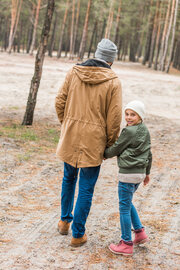
From a day at the beach to an afternoon in the mountains, getting outside is one of the best ways to spend time with your family. Exploring together helps build stronger connections, encourages communication, and allows everyone to be present and connect with nature. Go deep into the Amazon rainforest and have the privilege of seeing finger monkeys. There are incredible facts about finger monkeys that you can share with your children. You can also hike in the woods together and look for different plants, animals, and insects.

There are plenty of opportunities for families to go outside and explore together. Make special memories, have fun together, and create lasting bonds by getting off the beaten path. Don’t be afraid to experience new places and adventures. Nature has so much beauty and adventure; take advantage of an opportunity to share those wonders with your family.

2. Have a Picnic Lunch in the Park

Nothing’s more delightful on a sunny summer than having a picnic lunch out in the park. Sitting beneath a shady tree, with a basket of tasty foods in front of you and lots of room to move around.  It’s an idyllic scene. By taking time away from our busy schedules and dedicating it to simply enjoying the day, stress melts away.

Bring along a couple of friends for conversation and extra hilarity, or stay solo with your thoughts.  Either way, you’re bound to finish feeling relaxed and recharged. A picnic lunch in the park is one of life’s best delights.

3. Plant a Garden Together

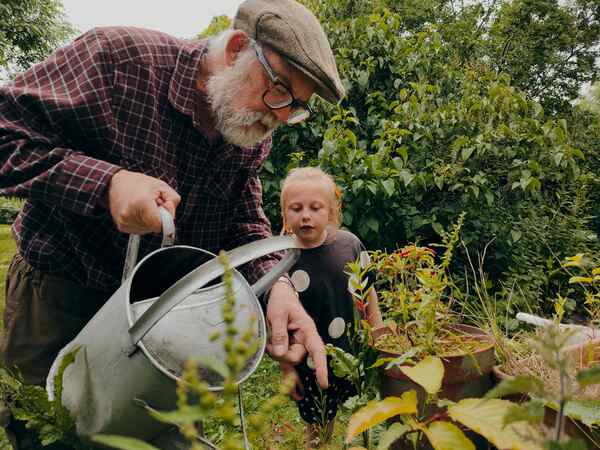
Planting a garden together is the perfect activity for strengthening your relationship. Gardening allows you to work together as a team and explore your creativity, setting aside time where it’s just the two of you amidst the beauty of Mother Nature.
Teaching Children about Nature

By employing some connection science tools, couples can expand their conscious abilities into something much more dynamic when working with plants in their environment. You will get to practice patience and caring for something that needs attention and invest in an activity that rewards itself with tasty fruit, veggies, or vibrant flowers months later.

Moreover, by employing some connection science tools, couples can expand their conscious abilities into something much more dynamic when working with plants in their environment. You will get to practice patience and caring for something that needs attention and invest in an activity that rewards itself with tasty fruit like lemons, veggies, or vibrant flowers months later.

4. Camp in your Backyard

If a camping trip isn’t feasible, why set up the tent in your backyard and camp out for the night? It’s fun and easy and helps build strong bonds between family members. You can gaze up at the stars before bedtime, make s’mores over a roaring fire or tell ghost stories about werewolves and witches. Plus, kids experience the thrill of camping without leaving the comfort of their homes.   It’s an inexpensive way to have a nature adventure and connect — plus, you’ll be teaching your children about the great outdoors.

Of course, there are plenty of families that go on regular RV trips make camping part if their regular summers. In either case, the important part is regular planning to make it happen so that kids kids exposed to nature throughout their growing years.

5. Go on a Bug-Hunting Expedition

With a bug-hunting expedition, you can discover a new world of fascinating and tiny creatures. If you are curious about the insect community around you, donning your explorer cap and planning an expedition may be the thing for you. You’ll need to research what kind of bugs live in your habitat beforehand and what time of year they are most active. With that knowledge, it’s time to pack your bags with your magnifying glass, notebook, and camera before setting off on an up-close exploration game.

Private areas such as meadows, fields, and ponds act as ideal destinations if you’re daring enough – remember to respect the environment when you go. Soon enough, you’ll come across exoskeletons, wings, exciting colors, and shapes – there is a lot to appreciate in this mysterious world, and it may even spark a continuous future passion.

6. Learn About the Water Cycle by Doing Some Fun Experiments

Learning can be made fun and interesting with a few experiments. Kids, in particular, will love trying these interactive activities. You can explore the precipitation, condensation, and evaporation of water that make up the cycle with many easy-to-do experiments right in your home.

For example, you can observe condensation when you fill an old jar or bottle halfway with hot water and allow it to cool overnight. Not only will you observe droplets forming outside the container, but you’ll also notice that steam has converted into liquid molecules inside. Do some research and see what other experiments you can try – the combination of outdoors playtime activities and educational learning will please everyone.

There are many ways to get kids interested in nature, and these six activities are a great place to start. By getting outside and exploring together, you can spend quality time with your child while teaching them about the world around them. With a little creativity, spending time in nature can be fun for everyone involved.


Share This Article

Everything a Parent Should Know About Baby Teeth and Child Dentistry

What is the proper care for your baby’s teeth?

As a parent, you should be aware of the proper care of your baby’s teeth. From the moment that first tooth appears until they start to lose their baby teeth, parents need to know how to keep those pearly whites healthy and strong. From brushing techniques to preventing cavities, there is much that needs to be done for children’s dental health to remain at its best.

We’ll discuss everything a parent should know about baby teeth maintenance – from teething pains and bottle decay to losing those precious milk teeth! Read on for more information about caring for your child’s smile during these crucial early years!

When Should I Start Brushing My Baby’s Teeth?

As soon as your baby’s teeth erupt, you should start brushing them. They can become used to the sensation of having anything inside their mouth by simply cleaning the surfaces of their gums with a moist cloth. Use a soft-bristled children’s toothbrush and fluoride-free toothpaste as soon as the first tooth erupts (no larger than a grain of rice). You must clean their teeth twice a day for two minutes each, in the morning and at night. Did you know that 35% of toddlers experience primary tooth trauma.  By brushing often and taking care of your teeth, this problem may be avoided. Even though brushing your baby’s teeth might be difficult, it’s crucial to carry on as part of their daily dental care routine.

What Causes Teething Pain?

Teething is when your baby’s first set of teeth breaks through the gums. This process usually begins around 6 months of age and may cause mild to moderate pain and discomfort in the gums, cheeks, and jaw area. You can help soothe teething pains by giving your baby a cold washcloth or teething ring to chew on. You might also give them over-the-counter medication such as ibuprofen or acetaminophen (always consult with your doctor before giving any medications).

  • Additionally, gently massaging the gums with your finger can provide some relief. Keep in mind that teething pain is temporary and should improve over time as your baby’s teeth come in.
  • If you notice excessive drooling, fever, rash, vomiting, or diarrhea, contact your doctor right away, as these may be signs of an allergy or a more serious condition such as an ear infection.
  • It’s important to make sure your baby isn’t biting down too hard on their gums while they are teething – this could cause damage to the underlying tissue and lead to infection. And ensure that your child is eating a balanced diet full of healthy foods to support proper dental development.

Bottle Decay

Another issue to be aware of is bottle decay which occurs when a baby’s teeth are exposed to sugary liquids such as milk or juice for extended periods of time. This can lead to cavities and other dental problems, so it’s important to try and avoid prolonged exposure to these types of drinks. Instead, give your baby water in between feedings and after meals, and only allow them to use bottles for drinks when necessary.

What Are Some Ways I Can Help Prevent Cavities?

There are further steps you can take to aid in the prevention of cavities in your child’s mouth in addition to brushing twice daily for two minutes at a time using fluoride-free toothpaste. One of the most successful strategies is cutting back on sugary foods and beverages, as well as juice drinking (only give them 4-6 ounces of fruit juice per day). As soon as a child’s first tooth erupts, you should start scheduling frequent dental exams.

For instance, your child should go to the dentist for a checkup and cleaning every six months. You might discuss fluoride treatments or sealants with your children’s dentistry provider to assist prevent tooth decay. Additionally, make sure your youngster is receiving enough calcium in their diet while you’re at it. While brushing and flossing are important, it is also essential to remember the importance of a healthy diet in your child’s oral health.

When Should I Expect My Child To Start Losing Their Baby Teeth?

The majority of kids begin losing their baby teeth around age 5 or 6, and by the time they are 12 or 13 years old, they have typically lost all 20 of their baby teeth. Make sure your child is brushing and flossing often when they begin to lose their teeth to maintain healthy, clean gums. Additionally, make sure to speak with a dentist for additional guidance on how to deal with the pain if you detect any indications of difficulty when they lose their teeth. Even though your child’s baby teeth may ultimately fall out, it is still crucial to look after them and keep them in good condition.

Choosing A Dentist For Your Child

You should seek a dentist for your child who has expertise in treating young patients and who has a calm, loving approach. You might go online for reviews of nearby pediatric dentists or ask friends and family for referrals. Make sure the office has the most recent technology and takes precautions to protect patient safety (such as using single-use instruments and gloves). Set up an initial consultation with the dentist you’ve chosen to go through your child’s dental care requirements. When it comes to going to the dentist, your child is probably anxious, so be sure to highlight the value of excellent dental hygiene and how much fun it can be.

Everything a Parent Should Know About Baby Teeth

Good oral hygiene is essential for children’s dental health. Make sure you’re brushing your child’s teeth twice a day, limiting sugary snacks and drinks, and avoiding putting them to bed with any liquid other than water. You should also schedule regular dental checkups from the time their first tooth appears, and be sure to choose an experienced pediatric dentist who provides a gentle, caring approach. At the end of the day, your child’s smile is only as healthy as you make it – so do all you can to ensure that their teeth stay in tip-top condition!

Related Reads

Read the parents guide on how to choose the right baby formula

Share This Article

Fantastic Ways to Teach Preschoolers How to Interact With Animals

Ways to Teach Preschoolers How to Interact With Animals

Animals can be a great way to teach preschoolers important life skills, such as empathy and respect for living creatures. From petting, a dog or cat to visiting a farm with cows and chickens, interacting with animals is an enriching experience for young children. However, kids must learn how to interact with animals in the right way so they don’t get hurt or scared of the animal.

Here are some fantastic ways you can teach your preschooler how to interact safely and respectfully with all kinds of animals.

Introduce Them to Animals in the Home

The first step is to introduce your preschooler to animals that live at home. Start with a pet, like a dog or a cat, and explain how they should approach the animal gently. This allows them to learn how each species responds differently and how to interact appropriately. Teach them simple commands such as sit, stay, and come when called for pets, and about appropriate touching for different types of animals. Try to teach biodiversity for kids by showing them educational videos that explain how different animals behave and interact with each other. And, of course, always supervise your child’s interactions with animals in the home.

Visit a Farm or Zoo

Visiting a farm or zoo is another great way to introduce your preschooler to different types of animals. They can learn more about the natural environment of an animal by seeing its habitat up close, as well as understanding their behavior better by observing them in action. Teach them to move slowly around the animals and be respectful when approaching them. Explain that it’s important not to startle or scare the animals, and always ask permission before touching any animal. This is also a great opportunity to teach your preschooler more about biodiversity.

Create a Sensory Bin for Pretend Play

Create a sensory bin filled with items like stuffed animals, toy figurines, sand, and water to let your preschooler explore different animals in a safe and fun way. This is a great way to get them familiar with how the animals look, move, and act while allowing them to use their imagination at the same time. You can also incorporate books or videos about animals into your sensory bin activities to enrich their experience further. For example, read a story about a farm and then let them explore the sensory bin with different animals.

Take a Nature Walk

Nature walks are an ideal way to get kids up close and personal with animals in their natural environment. Be sure to explain what each animal is, how it moves, and how it interacts with its surroundings. Encourage your preschooler to observe the animals from afar but also talk about what they see. Teach them why it’s important not to disturb or scare off any wild animals they might encounter and be sure to point out any danger signs too. Additionally, explain that some animals may not be safe to approach, like snakes or spiders.

Volunteer at an Animal Shelter

Take your preschooler to a local animal shelter and let them volunteer their time by feeding the animals, walking them, or even brushing them. This is a great way to teach kids empathy and responsibility while also allowing them to get up close with a variety of animals in a controlled environment. Talk about how each animal behaves differently from one others and why we need to take care of them properly. Show your preschooler how the volunteers play with the cats or dogs to help make them more adoptable – this can drive home the importance of respecting all living creatures.

Watch Wildlife Documentaries

Wildlife documentaries are a great way to introduce your preschooler to animals they might not otherwise get to see up close. Watching footage of different species in their natural habitat teaches kids about the importance of biodiversity and how each animal fits into its delicate ecosystem. Be sure to explain why it’s important not to disrupt these habitats or disturb any animals while watching the documentaries together. This is also a great opportunity to talk about endangered species and what we can do to help preserve them.

Preschool Boy Feeding Animals at an Animal Farm

Introducing your preschooler to a variety of animals is an important step in teaching them about respect, responsibility, and the importance of preserving biodiversity. With a little guidance and supervision, you can help your child learn about different animals in exciting and educational ways. And if you find that your preschooler loves animals, consider taking them to a summer camp or classes dedicated to animal science. No matter how you decide to do it, developing an appreciation for different types of animals is an important lesson for kids of all ages.

Share This Article

Beautiful Destinations To Visit On A Family Holiday

A family vacation is an opportunity to create memories that last a lifetime. Whether your family prefers breathtaking beaches, bustling cities, small towns off the beaten path, or awe-inducing monuments and landmarks, these incredible locations have something to offer everyone.

From enjoying local cuisine to exploring historical sites, here are eight beautiful destinations that will provide unforgettable memories for everyone in the family.

1.  France

France is a fantastic destination for family holidays. It’s packed with attractions, from the iconic Eiffel Tower to the beautiful beaches of Brittany and the stunning French Alps. Families can explore Paris or take a trip down the Seine in a barge or boat, visit one of many museums or galleries, sample delicious local cuisine, or visit some of France’s historical sites.

For those seeking active excursions, there are many options to have an unforgettable holiday with your family in France. Mild summer temperatures make it the perfect place for hiking and biking activities, while swimming and water sports are a great way to cool off during hot days. Wintertime visitors can enjoy skiing or snowboarding in the Alps or stroll through some of France’s picturesque snow-covered villages.

2.  United States

The United States is full of incredible places to visit on your family holiday. You can explore the nation’s vibrant cities like New York or Los Angeles or take a road trip across the country, stopping at all sorts of interesting places. The US also has some of the world’s most spectacular natural wonders. Many US National Parks, such as Grand Canyon, Yellowstone, and Acadia National Parks, offers plenty of outdoor activities to keep everyone entertained. It has many family-friendly attractions, such as Disney World in Orlando, SeaWorld in San Diego, ,LEGOLAND in California, and Rock Mountain National Park in Colorado. There are numerous options for those looking to explore the country’s history, from the iconic Statue of Liberty and Ellis Island to Mount Rushmore. Or take them to the Ozarks in Branson, MO and stay in one of the beautiful Branson resorts.

3.  The Turks and Caicos Islands

Nothing says “holiday” like a family trip to a warm sunny destination. Located in The Bahama’s, the Turks and Caicos Islands of tropical getaway offering consistent and comfortable temperatures year round.  The water is also warm and home to some of the best sandy white beaches in the world, perfect for rest and relaxation sunny day after sunny day. You can explore the exclusive offers at The Shore Club in Turks and Caicos.  There is also plenty to do to keep the kids captivated, including snorkeling, kayaking, and catamaran tours.  Enjoy many types of colorful coral, tropical fish, turtles, and dolphins.  The TCI also boasts great restaurants and friendly people in this welcoming paradise.

4.  Spain

Spain is a fantastic destination for families looking to go on holiday. Its warm climate and stunning beaches make it a great place to relax and unwind. But it’s so much more than a beach holiday. It’s full of culture, adventure, and activities that appeal to all ages. From exploring ancient archaeological sites to learning about the colorful local cultures, there are plenty of ways for families to make lasting memories together.

For those visiting Barcelona, choosing the best area to stay is key to enhancing the experience. According to www.adventourely.com, Pantelis Kakaris’ travel blog, the vibrant Gothic Quarter offers a mix of history and charm, while the beachfront neighborhood of Barceloneta is perfect for families seeking a seaside retreat.  Enjoy adrenalin-filled water sports or take in a beautiful hike to reconnect with nature. With its incredible natural beauty and stunning cities, Spain is the perfect family holiday spot for those needing quality time.

5.  China

The Great Wall of China

China is a beautiful destination that offers something special for every family member. While there, they can explore China’s long and illustrious history by visiting iconic landmarks like The Great Wall or the Forbidden City in Beijing. There are also plenty of awe-inspiring sights, such as the terraced fields in the countryside created over two thousand years ago and picturesque lakes surrounded by lush jungles and mountains.

With its splendid culture, fantastic cuisine, and friendly locals, China is also a great place to relax and spend quality time with loved ones. Families can participate in activities such as tai chi and cooking classes or even shop at bustling street markets to find perfect souvenirs from their holiday.

6. Neuschwanstein Castle

Often referred to as the “Cinderella Castle,” Neuschwanstein is fairy-tale fortress that embodies the romantic spirit of 19th-century European architecture. Built in 1986, the castle is nestled in the picturesque Bavarian Alps of Germany.  Neuschwanstein is perched atop a rugged hill, surrounded by lush forests and overlooking the Hohenschwangau Valley.  It is a truly a visual marvel as a symbol of medieval chivalry and fantasy, featuring soaring turrets, ornate balconies, and intricate detailing. This family friendly destination attracts millions of visitors each year, even in winter, who are captivated by its enchanting appearance and the breathtaking views of surrounding landscape.

7. Dubai

Dubai, often synonymous with luxury and extravagance, is also an incredibly family-friendly travel destination. Offers attractions catering to all ages, Dubai offers a blend of entertainment, culture, and adventure. Families can explore the iconic landmarks such as the Burj Khalifa and the Dubai Mall or embark on thrilling desert safaris, enjoy water parks like Aquaventure.  And does anyone in the family love shopping?  Spend a day in one of the world’s largest shopping mall followed by world-class dining options. The city’s commitment to safety and hospitality ensures a welcoming environment for families, making Dubai an ideal destination for unforgettable family vacations.

8. Thailand

Thailand is a vibrant destination that blends natural beauty and a rich culture with friendly hospitality.  Enjoy bustling Bangkok with its stunning temples, floating markets, and world-class street food.  Relax on the tranquil beaches and take in the wonderous beauty of Khao Sok National Park.  The lush landscapes of Chiang Mai and Chiang Rai invite adventure seekers to explore misty mountains and hidden waterfalls, while the country’s ancient ruins and historic sites give a glimpse into its deep-rooted traditions. Known as the “Land of Smiles,” Thailand welcomes visitors warmly, making it a must-see destination for those seeking adventure, relaxation, and cultural discovery.

Travelling the World

No matter where your family chooses to travel, there will surely be plenty of fun and memories options, as well as opportunities to learn more about our world. From grand cities and stunning natural wonders, to cultural activities and sunny destinations, each holiday escape offers something special that will create lasting memories for years to come. Make the most of your holiday with a great adventure in one of these incredible places.

Share This Article