The Benefits of Studying Assistive Technology
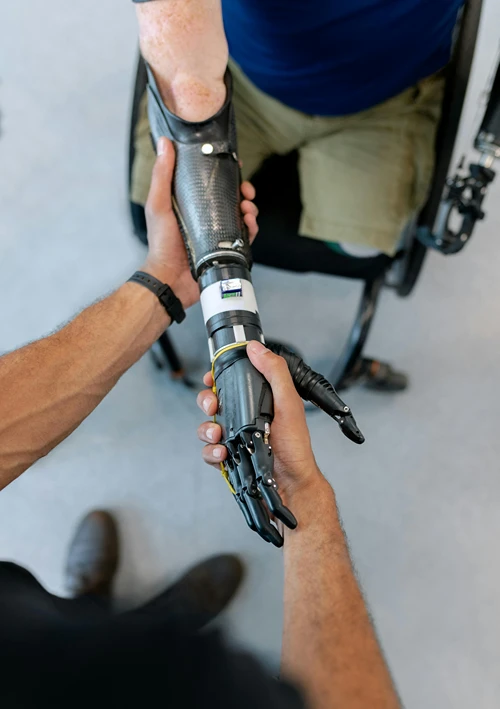
Ever tried to use your phone with gloves on and suddenly the screen stops responding? That tiny moment of frustration is a glimpse into a world millions navigate daily. Assistive technology bridges that gap between human ability and digital access. It transforms how people interact with everything from computers to can openers.
Understanding this field reveals much about innovation, empathy and the future of design. Studying assistive technology offers benefits that reach far beyond specialized classrooms – it teaches problem solving and sparks creativity. And it prepares students for careers in a rapidly changing world.
In this blog, we will share why learning about these tools matters now more than ever.
Career Paths: Why This Field Offers Real Opportunities
Employers desperately want people who understand accessibility. Tech companies face lawsuits over inaccessible websites and apps. Government agencies must comply with disability rights laws. Schools need specialists to support students with diverse needs. Hospitals require experts who can match patients with communication devices. The demand far outpaces the supply of trained professionals.
This creates incredible opportunities for students entering the field. Some universities now offer a masters in assistive technology and human services for those seeking advanced expertise. These programs blend technology, accessibility research and human-centered design to prepare professionals who can develop solutions that improve independence and quality of life for people with diverse needs.
The career possibilities keep expanding too. Virtual reality developers need input from accessibility experts. Autonomous vehicle companies must design for passengers with disabilities. Smart home technology requires input from aging populations. Every emerging technology creates new questions about access. Studying assistive technology positions students at the forefront of these conversations.
The Human Side: Building Empathy Through Technical Skills
Numbers and statistics only tell part of the story. Studying assistive technology connects students to real human experiences. Imagine a grandmother who cannot read standard print sizes anymore. A student learning about screen magnification software can help her stay connected. Think about a classmate with dyslexia struggling through textbooks. Understanding text to speech tools could change that person’s academic life.
These personal connections make technical skills meaningful. Learning to code becomes more engaging when building something that helps someone communicate. Studying engineering feels purposeful when designing a custom grip for a child’s paintbrush. The human element transforms abstract concepts into tangible outcomes.
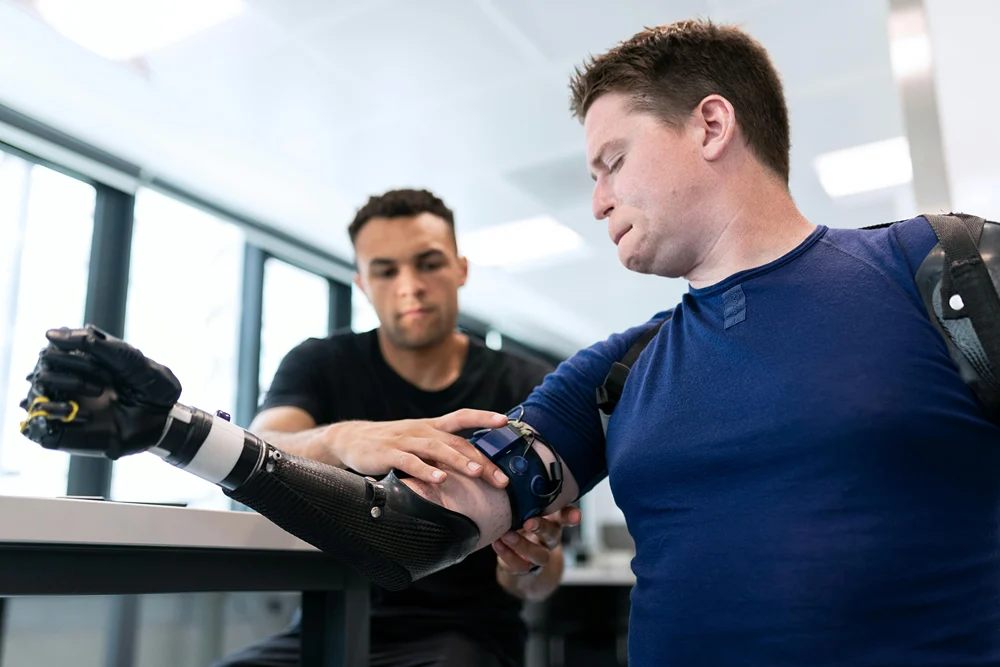
Then there is the patience and observation aspect. Effective assistive technology requires understanding individual needs deeply. A solution perfect for one person might fail for another. Students learn to ask questions and listen carefully. They discover that users are the real experts about their own lives. This humility makes for better designers and more compassionate humans.
Understanding Policy and Advocacy
Assistive technology involves more than devices and software. It touches laws, funding systems and social attitudes. Students discover why some innovations reach users while others languish in labs. They learn about insurance coverage for wheelchairs and communication devices. They study advocacy movements that fought for disability rights. These movements changed policies. They also changed public awareness.
This broader view reveals how technology interacts with society. A brilliant invention helps nobody if people cannot afford it. Universal design principles mean nothing if builders ignore them. Students explore these systemic issues alongside technical training – they develop skills to advocate for policy changes. They learn to navigate complex systems that distribute assistive technology. These systems are often complicated. Understanding them becomes essential.
The Joy of Problem Solving Creative Challenges in the Field
Assistive technology presents fascinating puzzles. How can a child with cerebral palsy control a computer? How can someone with memory loss navigate a busy airport? How can deaf musicians experience rhythm in new ways? These questions have no single correct answer. They invite creative thinking and iterative design.
Students in this field build prototypes and test them with real users. They experience failures and celebrate breakthroughs. And learn that small modifications produce massive improvements. A simple change in button placement might enable someone to use a tablet independently. A clever software hack could give a nonverbal person a voice.
This creative process appeals to tinkerers and artists alike. It requires technical knowledge but rewards imagination. Students discover that constraints often produce the most elegant designs – they learn to see obstacles as opportunities rather than roadblocks.
How This Knowledge Shapes the Future
The principles learned through assistive technology apply everywhere. Future architects will design buildings that welcome all bodies. Future software engineers will write code accessible to all abilities. Future doctors will consider communication needs alongside medical treatments. Studying this field plants seeds that grow throughout entire careers.
Technology continues advancing rapidly. Artificial intelligence promises new possibilities for personalized assistance. 3D printing enables custom devices made quickly and cheaply. Brain computer interfaces might one day restore movement and speech. Students entering this field now will shape how these technologies develop. They will ensure progress reaches everyone rather than leaving some behind.
Where Curiosity Can Lead
Anyone can begin exploring assistive technology today. Pay attention to accessibility features on a smartphone. Notice curb cuts and automatic doors in public spaces. Watch videos with captions turned on intentionally. And talk to someone who uses assistive tools about their experiences. These small steps open doors to deeper understanding.
Schools and libraries often offer resources for further exploration. Online courses cover topics from accessible web design to alternative communication methods. Local disability organizations welcome volunteers who want to learn. The field rewards curiosity with endless opportunities to grow.
The bottom line? Assistive technology teaches that difference is normal. It shows that good design benefits everyone. It proves that small changes produce huge impacts. Students who explore this field gain more than technical skills. They develop empathy. Creativity. A vision for a more inclusive world. These qualities stick with you. They matter – regardless of your career path. Better humans are built alongside better technology. The tools keep changing. They always will. But the fundamental lessons? Those last a lifetime.