8 of the Best Brain Games for Children

Building Block Brain Game

Looking for ways to engage kids that don’t involve a TV of some kind? Want to entertain your child in a way that is helpful to their growth and development? Challenging games for kids are simpler than you think.  Children are growing constantly, and their brains are making new connections all the time.

These easy brain games can be done almost anywhere and will help your child develop important thought processes for later in life.

So, let’s have a look at the list and see what’s hot these days!

1. Minesweeper

Minesweeper is a single-player puzzle video game where players clear a rectangular board by revealing cells without hitting hidden mines, using numeric clues to avoid detonation.

It’s excellent for children as it helps develop critical thinking, problem-solving skills, and logical reasoning while providing a challenging and engaging gaming experience.

2. I Spy and Simon Says

These games for children can be more productive than you may realize. Saying “I spy with my little eye something green” and then having your child find the green objects in the room helps with spatial awareness, memory, and language.

Simon Says offers a lot of the same benefits, as well as enhancing attention and a better ability to follow instructions.

3. A Scavenger Hunt

You might not think that a scavenger hunt involves brain training, but by making it a themed scavenger hunt, you can teach them about all kinds of topics. This also helps them with focus and orienting tasks in a certain order of completion. It can be a great game when you need them entertained for a while as well.

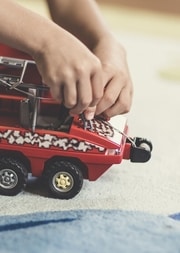
4. Building Blocks

Providing your child with blocks or other toys that can be stacked and built upon may seem like a very simple way of keeping a child busy. However, this can help early development of color recognition, coordination, and math skills.

This can be helpful later when your child needs to tackle some easy school projects, and they already have the basic building blocks of construction and crafts.

5. Playing Pretend

While playing pretend may feel like a child’s play, it is filled with brain exercises. Playing pretend or make-believe helps your child with language, emotional skills, social skills, and learning to think on the spot.

They will better understand things in the world and how it works. Try being creative with playing pretend by doing a wide variety of roles.

6. Story Time

This is not just about reading to your child from a book, but giving them the opportunity to tell their own story. Allowing your child to create their own narrative helps with memory, building up language abilities, and confidence in your child’s own imagination.

You can use prompts to get started and take turns making up stories together. This is a great activity for car rides when there isn’t much going on.

7. Puzzles

Puzzles are great for brain training, and you can find puzzles that fit a variety of ages. Whether you’re doing Sudoku, a word puzzle, or an actual puzzle with pieces, your child is learning spatial awareness, fine motor skills, problem-solving and more.

There are also online puzzles for kids who are more interested in playing games online.

8. Game Night

Board games and card games make for great brain exercises. You can do a family game night with everyone, or simply play games when you have the time. Games can help a child learn how to handle frustration, how to plan and coordinate, and problem solve on the spot.

Best Brain Games

Some of the best brain games are simple and easy to learn, but can help your child in innumerable ways. You don’t need lots of fancy gadgets and tech to help your child learn how to succeed in the world.

Often the best games are the ones where you’re having fun and don’t even realize you’re learning. And if this helped you get some good ideas on how to entertain and teach your child at the same time, keep reading for more great tips and tricks.

Share This Article

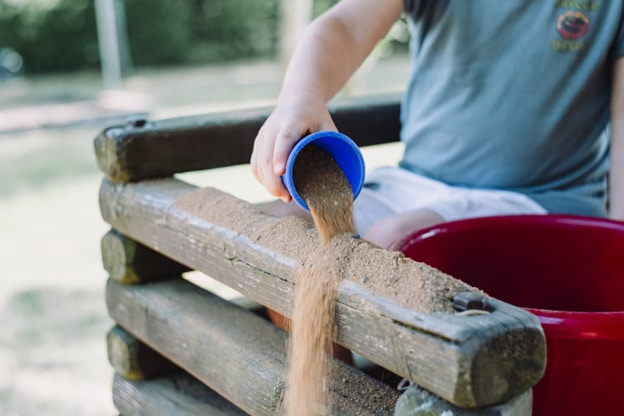
What Kids Can Learn About Self-Confidence From the Outdoors

Kids playing outdoors

Not only can too much time in front of a computer, tablet, or phone impact the mental and physical health of kids and teens, but things like social media and YouTube can actually diminish their self-confidence. They become so used to the “highlight reels” of people’s lives, or of influencers who simply aren’t living the way the rest of us do.

So, they think if they aren’t living up to those standards, they must be doing something wrong.  The CDC reports that kids ages 11-14 spend an average of nine hours a day in front of a screen. Surrounding ages vary by a few hours, but the statistics provide the same response – that’s a lot of tech time.

What’s the solution?  Why not an outdoor adventure?

Getting kids outside can help with problem-solving, creativity, and self-reliance. A recent report found that four out of five kids feel more confident after participating in outdoor activities. So, how can you encourage your kids to spend more time outside? What can you do to create confidence in outdoor spaces and build characteristics that will have a positive impact on them for life?

Get Creative With Camping

Camping is a great way to bond with your kids.  Camping is one of the best ways for kids to build self-confidence outdoors. It’s self-reliance 101, and while you can help with things and be a positive teacher, your kids will learn that they can accomplish difficult things on their own, and enjoy the rewards that come with it. If you want to help boost your kids’ confidence while camping, you can start by tying it in with some standard safety procedures, including:

  • Respecting wildlife
  • Using tools properly
  • Packing the right gear
  • Staying on marked trails
  • Learning how to start a fire

Not only can camping give your kids a boost in responsibility, but it allows them to expand their view of nature. Things like hiking, kayaking, and climbing are all great ways to get them interested in the great outdoors while building their confidence and self-esteem.

As you go on more family camping adventures, you can help your kids become even more confident by letting them pack their own bag or allowing them to pitch the tent when you hit your campsite. Those might seem like small things now. But, they are lessons your children will carry with them into adulthood, and they’ll come in handy when they need to feel confident in their problem-solving abilities.

Build Confidence Through Ride-On Adventures

One of the best ways kids can develop self-confidence outdoors is by getting behind the wheel—of their very own ride-on vehicles! These kid-friendly Power Wheels offer more than just fun; they provide valuable learning experiences that boost independence. Children are given the opportunity to take control of their movements, learning how to steer, accelerate, and navigate different terrains.

Whether they’re maneuvering through the backyard, riding down a paved path, or tackling small hills, every ride is a chance to gain confidence in their abilities. Kids are more likely to develop a “can-do” attitude that carries over into other areas of life—whether it’s trying new activities, solving challenges, or simply feeling more capable in their everyday adventures.

Finding Self-Confidence in Sports

Youth sports have many physical benefits. They can help to manage weight, improve overall cardiovascular health, and strengthen bones and muscles. Most kids have a lot of natural energy that can be “burned off” through an organized sport – it can sometimes just take a little nudge to get them started.

Beyond the physical benefits of spending time outside playing a sport, there are many mental health perks, too, including:

  • Reduced stress/anxiety
  • Socialization
  • Resilience
  • Higher self-esteem and confidence

Studies have shown that kids who participate in sports tend to have higher self-esteem and happiness. That can come from practicing something difficult and seeing the positive results, or realizing they’re getting stronger or better at something over time.

Not all sports are outdoors, of course. But, signing your child up for an organized sport that’s primarily played outside can provide two-fold benefits. Spending time in nature is a natural mood-booster and can reduce stress. It’s a great way for kids to feel their best so they have the opportunity to let their self-confidence bloom.

Splitting From Screens

You don’t have to push your kids into a specific “box” when it comes to getting them outside. Simply making sure they get out there is the important thing. What they do from that point is up to them. Whether it’s playing a game of tag with their siblings, playing with toys outside, reading a book on the front porch, or going for a walk around the neighborhood, simply spending time outdoors can help them to build confidence and have a better understanding of who they are.

One of the best ways to make sure your kids spend enough time outdoors is to set boundaries on screen time. Your expectations should be clear and concise. Once your kids understand the rules regarding their digital devices, they’re less likely to push back. You can use the great outdoors as an option for them to enjoy when they’re done with tech for the day. Assure them that doesn’t mean they need to spend hours outside (though, as they get used to the benefits and realize they can have fun, they’re likely to spend more time out there every day).

Research suggests that as little as five minutes of activity outside every day can boost self-esteem. By encouraging your kids to spend more time outdoors now, you can set them up to form healthy habits in the future, and to be more confident in their abilities as they grow into adults.

Share This Article

What Is An IP Address?

What Is An IP Address?

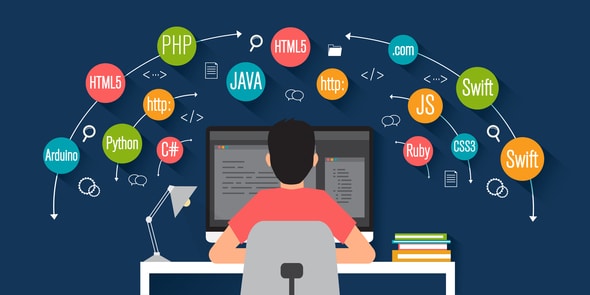
An IP address can be described as a unique address used to identify individual internet-enabled devices. The full meaning of IP is “Internet Protocol”. The internet protocol is a series of guidelines regulating how data is exchanged between local networks or internet-based devices.

That is to say, the Internet Protocol address functions as an identifier for each local network or device, that enables the transfer of information between devices over the internet. The IP address usually contains location and allows communication between local networks or devices such as computers, routers, websites, mobile devices, and more.

Definition Of An IP

The Internet Protocol (IP) address for individual internet-based devices is a series of numerals separated from one another by periods. Each IP address is usually a set of four numbers distinguished by periods. An example of an IP address is 152.167.4.38. The numbers in each set can be between 0 to 255. That is, the complete IP addressing format is 0.0.0.0 to 255.255.255.255.

It is important to note that IP addresses are not generated randomly but are produced and distributed by the Internet Assigned Numbers Authority (IANA), a subset of the Internet Corporation for Assigned Names and Numbers (ICANN). ICANN — a nonprofit body — was founded in The US in 1998. The organization’s objective is to ensure that the internet is well-protected and make it accessible to everyone. Hence, anytime one registers a domain on the internet, the person must contact the ICANN registrar who in turn pays a token to ICANN to get the domain registered.

How IP Addresses Function

Sometimes, an internet-based device may not be properly connecting to the internet the way it is supposed to connect. Other times, you may want to troubleshoot why your network may not be effective. These things can help an individual understand the functions of an Internet Protocol (IP) address.

Internet Protocol addresses have a lot of similarities with communication through language. However, these systems use a series of rules or guidelines to communicate with one another. All internet-based devices or networks exchange information with one another using their Internet Protocol addresses. Since they speak the same technical language, computers across different locations can communicate with one another.

The use of Internet Protocol addresses often occurs out of public view.

Below is how the process takes place:

1. The user’s device connects to the internet indirectly but through connecting to a network connected to the internet. This network will now allow your device to be able to access the internet.

2. At home, the user’s network is often their Internet Service Provider (ISP). When they are in the office, it will be their company network.

3. The Internet Service Provider receives an individual’s internet activities and routes them back to the user. Since it is the Internet Service Providers that enable users to connect to the internet, it becomes their responsibility to allocate an IP address for the user’s device. Nevertheless, the IP address can change. For instance, the IP address may be changed depending on whether the user’s modem or router is switched on or off. The Internet Service Providers can also change the IP address for users.

4. When a user is away from home and carries their device along, their home IP address cannot be carried along. This is because such a user may have to use another network to access the internet. At that point, they will have to use a different but temporary Internet Protocol address provided by the Internet Service Providers of their new location.

Types Of IP Addresses

There are different types of Internet Protocol addresses. Some of these IP addresses also have categories, with each containing different types of IP addresses. The main types of Internet Protocol addresses include :

  • Consumer IP Addresses

A business organization or an individual often have two types of Consumer Internet Protocol addresses, which are Private IP address.

  • Public IP address

These two types of IP addresses are named in relation to the network location. Private IP addresses are used within a network while Public IP addresses are used outside a network.

The importance of IP addresses in networks and internet-enabled devices cannot be overemphasized. Without them, internet-based systems cannot communicate with one another. Like home addresses, IP addresses are used to determine the location of individual internet-based devices and enable easy communication with such devices.

Although there are different types of Internet Protocol addresses, they all serve two basic functions:

  • Enabling devices to get connected to the internet via Internet Service Providers.
  • Enabling the ease at which individual devices are located for efficient communication between other networks.

If you are wondering “what is my ip” there are a lot of sites online that can help.

IP Addresses for Cell Phones?

In case you’re wondering whether your phone has an IP address, the answer is yes. Every device, including your phone, has a public IP address and a private IP address that helps to identify it on both your home network and other internet you may access. The IP address is assigned to any device that connects to the internet, including mobile phones. If you switch networks, your phone may get a different IP address. This means that your phone’s IP address isn’t always permanent, even if you’re using the same device. It is possible that your phone’s IP address will change when you turn off your router at home or when you connect to a public Wi-Fi network or when you switch between using Wi-Fi and your mobile network.

Your internet service provider provides you with an IP address and grants you access to the internet when you use Wi-Fi. Your online activity is routed through them, and they use your IP address to route it back to you. Using mobile data, your phone’s IP address is assigned by the mobile network. Basically, a smartphone’s networking software follows the Internet Protocol, which specifies how to communicate with the internet and send data back and forth. As a result, your online requests are sent and returned to the correct user using an IP address associated with your internet activity.  There are billions of IP addresses, and they are assigned automatically to hardware. However, there are times when it’s necessary for you to know or you might be curious on how to find your phone’s IP address.

Share This Article

Swimming Lessons For Children With Special Needs

Swimming Lessons for Children with Special Needs

Learning how to swim is an essential life skill that everyone should learn at a young age. Children with special needs can still learn how to swim so they can avoid drowning and other water-related accidents. Enrolling children with special needs in swimming lessons can help remove fear of going into the pool.

Swimming lessons also ensures their capability of handling themselves should they fall into a body of water.  There is more to swimming than just water safety. Whether your child has a neurodevelopmental disorder or physical disability, they will highly benefit from this life-saving skill.

This blog discusses the various benefits of swimming lessons for kids with special needs.

Benefits of Swimming Classes for Special Needs Children

Swimming holds various benefits for kids with special needs and conditions. Here are some of the advantages your child will get when you enroll them in infant swimming lessons that specialize in handling these students.

Burns Excess Energy

Parents of children with ADHD can attest to how much energy their child has. Swimming is one way to redirect this energy to learning a life-saving skill. An hour in the water can burn up to 500 calories. It can tire their body quickly as it requires concentration and coordination of different parts. You can sit them down much easier so they can focus on their everyday tasks or turn in for the day.

Since physical exercise drains their energy, it can promote better sleep. Special needs kids will also have greater control over their emotions and behavior even while out of the pool once they are swimming more regularly due to lessons.

Maintains a Healthy Weight

Special needs children have a higher rate of becoming obese. Enrolling them in swimming classes will challenge them to be more active in exercising. Since swimming is a low-impact activity that engages the whole body, it is an efficient way of maintaining a healthy weight.

Provides a Sense of Calmness and Freedom

The water environment also offers a sense of freedom and calmness for children with cerebral palsy, ADHD, and autism. Water buoyancy reduces our body weight by up to 80% and offers a greater range of movements. Children with cerebral palsy complain about restricted actions on land but will love the freedom that water provides. The hydrostatic pressure from the water also reduces everyday noises that can be irritating for most children.

Apart from freedom of movement in the water, the pool is also a serene place where children with ADHD can learn how to swim calmly. You don’t let them swim on their own entirely but instead still facilitate their movement, so they remain alert. Special needs kids may even think of the swimming pool as a fun escape from their everyday living.

Moreover, children with autism will significantly benefit from the predictability and repetitive movements in the pool. Doing repeated movements can be a way for autistic children to keep their anxiety in check and concentrate better. Learning how to float in the water also helps them become more aware of their bodies while dealing with overwhelming emotions.

Improves Communication

There are various activities during baby swimming lessons, including blowing bubbles and regulating breathing underwater. These activities can help special needs children with their speech and oral articulation. Moreover, toddlers become more expressive of their emotions, whether through verbal or non-verbal communication.

Boosts their Confidence

Mastering a skill can be difficult for special needs kids. As they progress through their curriculum, the lessons become more difficult but not impossible. Failure can lead to a lack of self-esteem and may even result in not trying at all. However, learning how to swim lets your child celebrate small attainable victories. With the help of trained swimming coaches, they can perfect a stroke, stay afloat, and do a lap on their own.

Swimming also boosts the confidence of children with physical limitations. While their peers can do everyday activities alone, being disabled limits what they can do independently. Toddler swimming lessons are tailored for special needs children to help them learn and explore beyond their limits.

Moreover, your child can receive rewards for every skill they learn, giving them the confidence boost they need. With these small achievements, they can become more confident to face other challenges in life. There’s no stopping a child who believes in themselves, right?

Build Relationships with Peers

A swimming school is a great place to meet new friends and build a relationship with them. Swimming classes group your child with students of the same age and skill level to avoid feeling shy or intimidated by their peers.

Letting your child engage with other children introduces them to people outside their regular home and school life. In fact, they can also mingle with their swimming instructors and other parents. The public setting lets them be more comfortable with people outside their comfort zone.

Puts No Pressure on Students

Unlike other sports, swimming puts no pressure on passing or catching a ball to a teammate. Swimmers can compete with themselves by finishing a lap faster or swimming a farther distance than before. Enrolling in swimming lessons for kids with special needs lets them learn at their own pace with the help of a swimming coach that tracks their progress.

Enroll in Private Swimming Lessons Today

Swimming offers many benefits for every child, and kids special needs shouldn’t be left out. Provide them with the opportunity to learn this life-saving skill to reap its long-term effects. This low-impact activity goes beyond enjoyment and promotes their developmental health while boosting independence and confidence.

Find a school that offers special needs swim lessons and enroll your child today.

Share This Article