Why Toddlers Are Obsessed With Climbing Everything
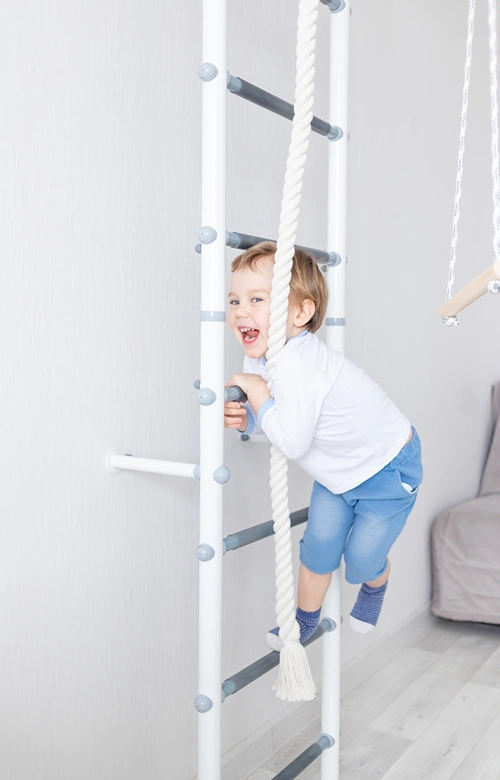
Every parent knows that suspicious silence in the room. You turn away for a minute to stir the porridge, and your toddler is already standing on the kitchen table, climbing the cupboard, or hanging from the curtains. The first thought is to scold them — but climbing is not a whim at ages 2–4. It’s essential for development.
At the age of 2-4, the desire to climb up is not a whim, but simply a necessity for development. The child’s body requires movement to understand what it is capable of. If you do not give them a special place, the sofas and your nerves will suffer. That is why climbing toys for preschoolers are a way to save the apartment from destruction. Instead of chaos, the living room turns into a place where energy is spent with benefit.
Steel Structures vs Wooden Toys: A Long-Term View:
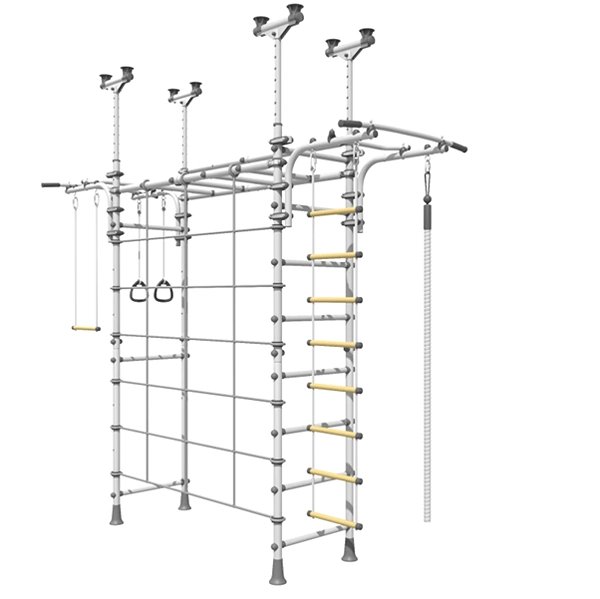
Wooden triangles look pretty in photos, but toddlers outgrow them fast. Brainrich Kids’ steel Swedish walls are in a different league. They can handle a toddler, a teenager, or even a parent doing pull-ups after work. Steel won’t dry, crack, or warp over time — unlike wood.
Plus, the tension-mounted system is perfect for apartments or rented homes:
- No drilling required, so walls stay intact.
- The structure can be rebuilt or moved as easily as furniture.
- Almost any element is adjustable in height or configuration, making it suitable for different ages and sensory needs.
This modular design allows families to add swings, climbing ropes, or other elements over time. It grows with your child — and keeps your investment valuable.
Installation: Grab your tools and some patience
Professional equipment isn’t a snap-together toy. Assembly takes time, attention, and careful adjustment. You might need a day or a helper to tighten bolts and check tension — but that effort guarantees stability. Once installed, the structure feels solid and ready for energetic play.
Motor Skills, Coordination, and the Art of Falling
A home playground isn’t risk-free — but that’s part of learning. Toddlers develop proprioception, balance, and body awareness by climbing, hanging, and even falling onto soft mats. Regular use of a Brainrich climbing system helps children:
- Strengthen hands, core, and back muscles.
- Learn safe ways to fall and coordinate movements.
- Burn off energy for better sleep and focus.
Having a dedicated indoor jungle gym means this development happens in controlled conditions, safer than falling from a tree onto asphalt.
Why Brainrich Kids Makes Sense
Brainrich Kids’ approach combines premium materials, thoughtful design, and a community of 12k+ families sharing ideas and experiences. The modular, adjustable system grows with your child, supports neurodiverse and sensory-sensitive kids, and maintains its value over years.
It’s more than a toy — it’s an investment in physical development, brain growth, and family peace of mind.