Why Custom Stickers Still Work as a Screen-Free Reward for Kids

There’s a reason parents keep coming back to stickers. They’re affordable and low-pressure, and they don’t need a Wi-Fi password. In a house full of tablets and game consoles, a small adhesive shape on a chart can carry more weight than parents might expect.
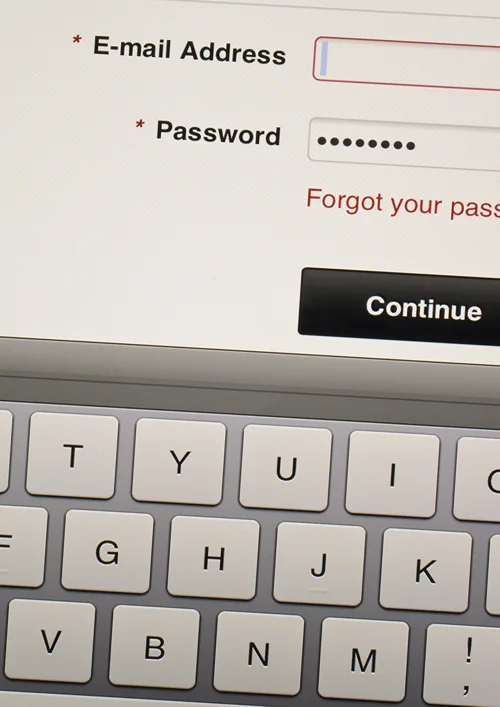
This isn’t about replacing screens entirely. Children will still want their shows and games, and that’s reasonable within limits. But when parents are trying to encourage behavior, whether it’s brushing teeth without complaint or putting down the iPad before dinner, a small tangible reward often lands differently than another digital badge or in-app coin.
So here’s the case for going custom. Off-the-shelf packs work fine, but personalized stickers from custom print companies can make rewards feel more meaningful to kids. A sticker with your child’s name, or a design built around something they already love, feels like it was made for them. Because it was.
The Screen-Time Problem Most Parents Recognize
Every parent has read the articles. The American Academy of Pediatrics has pretty specific guidance on media use for different ages, and most families know they aren’t hitting those numbers perfectly. Knowing the rules and living them are two different things.
What often helps isn’t another app to track screen time. It’s having something else to offer when a child asks for the tablet for the third time before lunch. A reward system gives parents a structure to point at. “After three stickers, we can do that.” It puts a number on something that usually feels like a constant negotiation.
Many children respond well to visual reward systems and progress tracking. This connects to long-standing ideas in positive reinforcement and behavior support, where small, consistent acknowledgments tend to encourage repeat behavior more reliably than larger occasional ones. Physical reward systems can feel more concrete and engaging to children than digital badges alone.
What Makes Custom Stickers Different
Generic sticker packs work fine for a week or two. After that, the novelty often wears off, and parents are back to bargaining over screen time without backup.
For many children, personalized stickers may stay engaging longer than generic packs. When a sticker features your child’s name or designs based on interests they already enjoy, a favorite animal, hobby, color, or theme, it tends to hold attention longer. Some parents rotate themes by season. Others tie the design to a goal, like reading stickers for finishing books or kindness stickers for being nice to a sibling unprompted.
Material matters too. Higher-quality vinyl stickers, like the ones the team at Stickerbeat produces, are often more durable for water bottles, lunch boxes, and school supplies than basic paper stock. That can matter more than it sounds, especially when stickers are getting daily handling from younger kids.
How to Use Them Without It Feeling Like Bribery
This is the part many parents wrestle with. Where’s the line between motivation and bribery?
A few things help. Start by attaching the sticker to a child’s behavior, not an outcome. “Stickers for trying” works better than “stickers for getting an A.” Effort is in their control. Test scores aren’t always.
Timing and Consistency
Try not to make it transactional in the moment. Counting up stickers at the end of the day creates anticipation. Handing one over the second a child behaves turns the whole thing into a vending machine.
Keep the Prize Modest
A full sticker chart shouldn’t earn a new console. Something simpler usually works better:
- A trip to the park
- A movie night at home
- An extra story before bed
- Choosing the next family meal
For some children, the process of tracking progress becomes rewarding on its own.
Common Sense Media has solid advice on balancing screens with other activities if parents want to go deeper on the broader picture.
Sticker Uses Beyond the Chart
Reward charts are the obvious application. But custom stickers earn their keep in other ways too.
Some parents use them for labeling. Child’s name on lunch boxes, water bottles, school supplies, and all the small things that get lost twice a week. A personalized sticker is easier to spot in a pile than a Sharpie scrawl, and durable vinyl tends to survive a few rounds in the dishwasher or backpack.
Others use them as small, no-occasion gifts. A sticker tucked into a lunchbox on a Tuesday can feel surprisingly meaningful to children. It’s not a present, exactly. More like a small signal that someone was thinking about them.
Then there’s the craft angle. Kids decorating notebooks, journals, bedroom doors, and whatever they want to claim as their own. It gives them ownership over their belongings in a way mass-produced decor doesn’t.
A Few Practical Things Before Ordering
Pick designs your child actually likes, not what you think they should like. Plenty of parents still get this wrong.
Think about where the stickers will live. Outdoor surfaces and water bottles need tougher material than paper charts. Match the stock to the intended use.
Order more than you think you need. They go faster than expected, especially once siblings get involved.
And give any reward system a few weeks before deciding if it’s working. Children need time to buy in. The first few days are usually a novelty spike. The real test is whether they’re still engaged in week three.
No single tool solves screen time on its own. Reward systems work best when paired with conversation, routines, and realistic expectations about how much screen use is reasonable for your family. Stickers are one piece of that picture, not a replacement for the larger conversation. But they’re a useful piece, and personalized ones tend to hold a child’s interest longer than the alternatives.


 Tessa Dodson is the Senior Writer at