How to Introduce Kids to Safe, Responsible Digital Photography
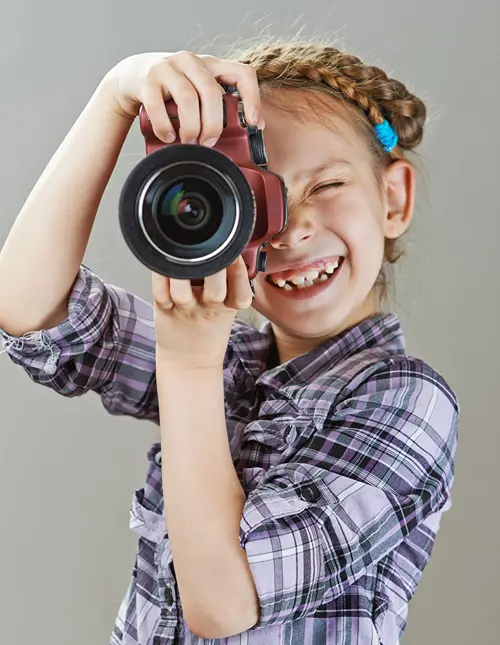
Photography often starts as a simple curiosity. Kids notice small things—colors on a wall, light through a window, a pet sleeping in the sun. Giving them a camera lets them slow down and see the world more closely. It can be fun, calming, and surprisingly meaningful.
At the same time, anything digital comes with lessons. Without gentle guidance, kids may share too much or forget that not every moment needs to be captured.
When photography is introduced with care, it becomes more than a gadget or screen-based hobby. It turns into a way for children to learn patience, creativity, and respect for others. With the right balance of freedom and boundaries, photography can grow into a positive habit that fits naturally into everyday family life.
Read on to see how parents can make this journey safe, responsible, and enjoyable.
Why Digital Photography Can Be a Healthy Creative Outlet for Kids
Photography encourages children to slow down and observe their surroundings. Instead of scrolling endlessly, they focus on what they see and how to frame it.
Some benefits include:
- Improved observation skills and attention to detail
- Creative expression without heavy screen interaction
- Better understanding of light, color, and perspective
- A sense of accomplishment from creating something meaningful
Photography also creates opportunities for conversation. Asking a child why they chose a subject helps them reflect and explain their thinking. Over time, this builds confidence and communication skills.
When guided properly, photography becomes a balanced activity that blends creativity with mindfulness.
Choosing the Right Beginner Camera for Children
The type of camera matters when introducing kids to photography. Complex devices can frustrate beginners, while toy cameras often limit learning.
A good beginner camera should be:
- Lightweight and easy to hold
- Durable enough for regular use
- Simple to operate without overwhelming menus
- Capable of producing clear, satisfying photos
Many parents prefer starting with a beginner-friendly mirrorless camera because it offers real photo quality with fewer buttons and less bulk than traditional cameras. Retailers like Adorama offer options designed for learning, with intuitive controls and automatic modes that let kids focus on creativity rather than settings.
The goal is to choose equipment that supports learning and confidence, not perfection.
Setting Clear Rules for Safe Photography Use
Rules help children understand boundaries and expectations. They don’t limit creativity. They protect it.
Important rules to establish early include:
- When the camera can be used and for how long
- Where photography is allowed and where it is not
- Asking permission before photographing people
- Avoiding private spaces like bathrooms or changing areas
- Handling the camera carefully and storing it properly
Discussing these rules openly helps children understand why boundaries exist. They begin to see photography as a responsibility, not just a toy.
Clear guidelines build trust and reduce the risk of misuse.
Teaching Online and Digital Safety Through Photography
Photography often leads to sharing, especially as children grow older. This makes digital safety an essential part of the learning process.
Key lessons to introduce include:
- Not every photo needs to be posted online
- Personal information should never appear in images
- Location details can be revealed through photos
- Online feedback doesn’t define the value of a photo
Parents can review photos together before sharing and talk through potential risks calmly. This keeps the conversation open instead of restrictive.
Teaching digital awareness through photography prepares children for responsible technology use later in life.
Helping Kids Develop Responsible Photography Habits
Habits shape how children interact with technology long-term. Photography offers a chance to build positive routines early.
Helpful habits to encourage:
- Taking fewer, more thoughtful photos
- Reviewing and discussing pictures together
- Learning basic camera care and respect for equipment
- Focusing on learning, not likes or validation
Photography should feel intentional, not rushed. Slowing down helps children appreciate the process rather than chasing results.
When habits are built early, photography stays meaningful instead of becoming another form of passive screen time.
Turning Photography Into a Guided Family Activity
Photography doesn’t have to be a solo activity. Involving the whole family adds value and connection.
Ideas include:
- Going on short photo walks together
- Creating themed challenges like colors or nature
- Printing photos for albums instead of online posts
- Talking about what each photo represents
These shared moments strengthen trust and make photography feel purposeful. Children learn that creativity and safety can exist together.
Family involvement also helps parents stay aware without appearing controlling.
Conclusion
Digital photography can be a powerful learning tool when introduced with care. With the right camera, simple rules, and ongoing conversations, kids learn creativity alongside responsibility. Photography teaches observation, patience, and respect while opening doors to digital safety lessons that extend far beyond the camera. Guided properly, it becomes a positive, enriching experience that supports healthy technology habits and meaningful self-expression.