How to Support a Child With School Anxiety
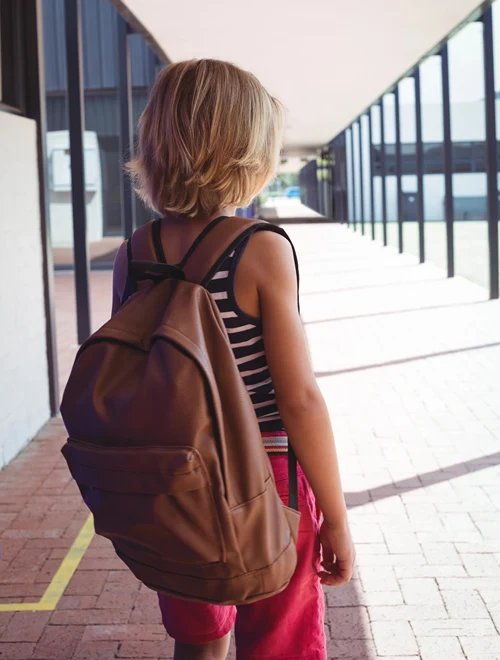
Experiencing school anxiety is common for many children, manifesting in ways that can cause stress for both them and their parents. It often links to factors such as social interaction, academic pressure or the transition between schools. Understanding this issue is the first step in providing adequate support.
Here is some guidance on how to find the root problem and help ease your child’s school anxiety.
How to Identify School Anxiety
School anxiety can manifest in several ways, often influenced by a child’s age and personality. Recognizing the signs early can help address issues effectively. Here are some things to look for:
- Physical complaints: Stomachaches, headaches or other ailments without a medical cause
- Avoidance behaviors: Resistance to going to school, frequent trips to the nurse or looking for excuses to stay home
- Emotional and behavioral shifts: Increased irritability, withdrawal from friends or activities, and difficulties with concentration
- Perfectionistic tendencies: An intense fear of failure or overwhelming pressure to achieve
Identifying the signs of anxiety is the first step toward providing your child with the support they need. Once discovered, you can apply the following techniques to remedy the primary causes.
Uncovering the “Why” Behind the Worry
Open and nonjudgmental communication is a prerequisite to help your child express their feelings about school anxiety. Start conversations with gentle opening prompts like, “What’s been bothering you at school lately?” or “How do you feel when you think about going to school?” These openers can help children feel heard and understood.
Common triggers for school anxiety can fit into several themes.
1. Academic and Performance Pressure
Your child might fear failing a test or having the teacher call upon them. The result could be significant anxiety. This stress is often particularly intense around specific subjects like math, which can lead to the more targeted stress known as math anxiety.
Some estimates show that 20% to 25% of children experience math anxiety, and this can start as early as elementary school. Often, it can persist into adulthood. The younger your child is, the more likely it is that your positive support and proactivity toward their math homework will favorably influence their attitude toward the subject and minimize any later effects. You can use the same ideology for their other subjects to encourage better outcomes.
2. Social Challenges and Peer Relationships
Navigating friendships can be a source of concern, as children often fret about making friends or facing issues like bullying. Strategies for managing these social challenges are vital to reducing school anxiety, and having an open, communicative relationship with your child can help.
Normalizing anxiety allows you to discuss coping mechanisms with your child candidly. You can brainstorm potential resolutions to deal with the issues and encourage more positive peer interactions. If the problems persist, consider talking to the school guidance counselor to help in resolving them.
3. Separation Anxiety
Younger children may struggle when separated from their parents, particularly in unfamiliar environments. If you recognize these triggers in your child, there are ways to offer support and ease their stress.
Coach your child on specific ways of coping when you’re away. Then practice slight separations by stepping back a short distance so you’re out of sight of each other. Afterward, praise your youngster for their bravery and begin a dialogue to encourage them to speak about their feelings while you were apart. Doing so will help you understand the emotions they experience and put future steps in place to alleviate their anxiety.
4. Environmental Anxiety
Sometimes being unaccustomed to a noisy or chaotic school environment can increase your child’s anxiety. Often, this scenario may need the assistance of your child’s teacher to remedy, so approach them with your concerns, explaining the reasons in depth. An educator who’s aware of a student’s anxiety will likely pay closer attention to gauge others in the classroom for similar signs.
Teachers may make modifications to the environment to reduce noise levels. Schools can create a calmer atmosphere with softer lighting and implement structured breaks where students can breathe and meditate to regulate stress. At the very least, you can obtain permission for your child to use a fidget spinner or other sensory tool to ground their anxious feelings.
Knowing When to Seek Professional Help
Although you might do your best to reduce your child’s school anxiety, there may come a time when professional help becomes necessary. Therapists, counselors and psychologists all play their parts in supporting children with school anxiety. They can provide tailored strategies to help kids cope with their feelings and adopt healthy coping mechanisms.
It’s time to seek outside support if your child’s anxiety begins to significantly interfere with their daily life, sleep patterns or family relationships. Remember, seeking professional help is a proactive and positive step. It demonstrates your commitment to your child’s ongoing well-being and will help create a supportive environment for them to thrive, both inside and outside of the classroom.
Nurturing Your Child’s Growth in Their Academic Journey
Supporting your child through school anxiety requires patience, understanding and being actively involved. Recognizing indicators and supporting open dialogue enables you to help your children feel more comfortable in school. Your love and attention will help them learn to cope with bumps in the road and thrive after successfully navigating them.
 Author bio: Cora Gold is the Editor-in-Chief of women’s lifestyle magazine, Revivalist. She strives to live a happy and healthy life with her family by her side.
Follow Cora on Facebook and LinkedIn.