Category: Interesting

Little Riders: Exploring the World of Kids Motorcycles and Mini Chopper Bikes

Little Riders: Exploring the World of Kids Motorcycles and Mini Chopper Bikes

Ever noticed how kids love to imitate adults? The saying is true that kids learn from what you do more than from what you say. While both ways that kids learn to grow up responsibility are true, ensuring they do it safely is the concern of every parent. At the same time kids need a certain level of freedom to explore their interests fully.

It’s fascinating how kids are always looking for ways to be just like the grown-ups. Enter the realm of kids motorcycles and mini chopper motorcycles. But first, here’s one thing to consider. Is your child ready?

Remember, motorcycles and e-bikes aren’t just toys. While they may be gateways to a world of fun, adventure, and growth, anything with a motor is a big responsibility.

What is a Kids Motorcycle?

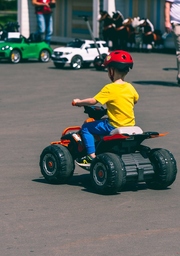
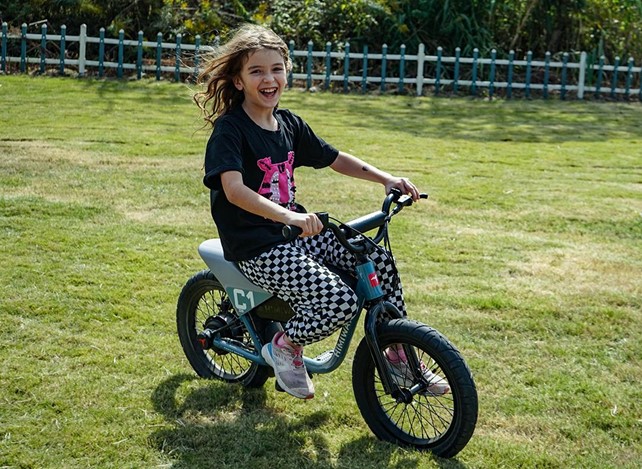
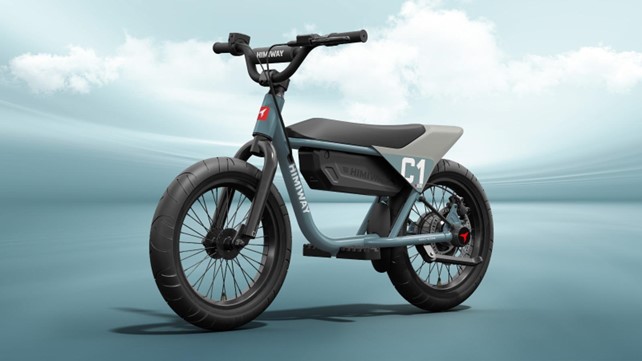
A kids motorcycle is a scaled-down version of a regular motorcycle designed specifically for children. They’re safe, easy to operate, and absolutely thrilling for the little ones.

Definition and Purpose

Kids motorcycles are meant to provide children with a sense of independence and adventure. They’re designed to be safe for kids, with lower speeds and added safety features.

Different Types

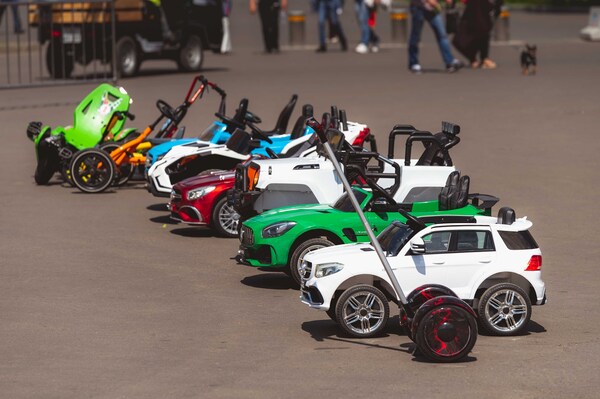
There are pedal-powered versions, battery-operated ones, and even some with tiny petrol engines. Each type offers a unique riding experience tailored to different age groups and preferences.

Safety Precautions

Safety Gear

Always ensure your child wears appropriate safety gear, including a helmet, knee pads, and elbow pads.

Training

Before letting them ride, ensure they understand the basics and can handle the motorcycle safely.  It’s also best they know how to ride a bike first to fully understand the basics of maintaining balance while steering in motion.

Supervision

Never let your child ride unsupervised. Always keep an eye out for them.

What is a Mini Chopper Motorcycle?

A mini chopper motorcycle, often just called a “mini chopper,” is a smaller version of a custom-built chopper.

Origin and History

Originating from the 1960s, these mini versions became popular as DIY projects and kits.

Features and Specifications

Mini choppers are characterized by their extended forks, elongated frames, and unique designs. They’re more for style than speed, making them perfect for leisure rides.

Kids Motorcycle vs Mini Chopper

Kids Motorcycles vs Mini Chopper Bikes

Design Differences

While kids motorcycles are made to be functional and safe for children, mini choppers are often about style and aesthetics.

Usage and Purpose

Kids motorcycles are primarily for children, while mini choppers can be ridden by both kids and adults.

Cost Implications

Mini choppers, being more intricately designed, can sometimes be more expensive than kids motorcycles.

Maintenance Tips

Regular Checkups

Whether it’s a kids motorcycle, an EBike,  or a mini chopper, regular check-ups are crucial. Ensure brakes, tires, and engines (if any) are in top shape.

Cleaning and Upkeep

Regular cleaning can keep the motorcycle looking new and can prevent any potential rusting or damage.

Storage

Store in a dry place to prevent any damage from moisture.

FAQs

  • Are kids motorcycles safe?  Yes, when used with proper safety gear and supervision. The bikes themselves have additional safety features.
  • How fast can a mini chopper go? It varies, but most are designed for leisurely speeds, not high-speed racing.
  • Can adults ride kids motorcycles? They are designed for kids, so it is not recommended for adults due to weight and size constraints.
  • Do mini choppers come assembled?  Some do, while others might require assembly. Always check with the seller.
  • Where can my child ride their motorcycle? It’s always ok on private property. Check with local bylaws regarding kids’ mini motorcycle use on public streets, roads, sidewalks, paths, parks, and other open areas.
  • Will my child have trouble learning how to ride?  Every child is different in their aptitude and ability to ride, just like when they learn to drive when they are older. We mentioned earlier that it’s important they first know how to ride a bike. Training wheels are available for kids motorcycles as well to assist kids who need a little extra help while learning.
  • How do I choose the right motorcycle for them?  Consider your child’s age, the motorcycle’s size, speed, and safety features. Decide which one you think would be best for your individual child, then discuss with them their thoughts and preferences.

Benefits of Kids Motorcycles

  • Physical Development:  Riding a motorcycle can help in enhancing a child’s motor skills, balance, and coordination. It’s a fun way to get them active and outdoors!
  • Cognitive Skills:  Decision-making, understanding cause and effect, spatial awareness – all these cognitive skills can be honed while riding.
  • Social Benefits:  Sharing, waiting for one’s turn, and playing together can teach kids social skills.
  • Responsibility: Fulfilling a child’s desire to ride a motorcycle is an excellent opportunity for them to learn how take care of something special, while being cautious and aware.

Conclusion

Whether you’re considering a kids motorcycle for your child or a mini chopper for leisure rides, understanding their features, benefits, and maintenance is essential. These are not just vehicles but an experience, a thrill, and a big step towards growth and learning.

Share This Article

5 Tips for Fun and Safe Baking With Kids

5 Tips for Fun and Safe Baking With Kids

The idea of measuring out and mixing baking ingredients with your kids may sound stressful. However, when prepared and done correctly, baking provides many opportunities for children to express their creativity and develop various skills.

Your child can practise and improve their motor function, coordination, and strength, from pouring liquids to kneading dough. It can also help them increase their attention as they concentrate on measuring, counting, and following directions.

The ways baking can benefit your kids are countless. But how do you make it less stressful, more enjoyable, and accident-free? A bit of structure can help ensure kitchen safety and make the baking experience with children more delightful. To help you get started, we compiled the following tips for creating a fun and safe baking experience with kids.

1. Use Child-Friendly Baking Tools and Supplies

Involving your children in the kitchen at an early age helps them acquire valuable skills. But it’s always essential to prioritise safety when bringing little ones into the kitchen. Sharp instruments like knives, forks, and scissors can pose risks to children.

So, before you start a baking session, set up the kitchen for your kid’s safety. Secure any loose cords to keep them from accidentally yanking small appliances off the counter. Keep dangerous items out of their reach to avoid accidents.

Investing in child-friendly baking tools and supplies is also a good idea. Many kid-friendly choppers, whisks, dough cutters, and other culinary instruments are available. You can explore My Happy Helpers’ selection of kids’ baking sets for a starter.

Such tools are specifically designed for little hands. By providing children with their tools, you can reduce the risks of accidents and make them feel comfortable in the kitchen. It’s a great way to get your children involved happily and safely in your baking session.

2. Educate Kids About Kitchen Safety

Educating your kids about kitchen safety is essential as well. Besides locking away sharp tools and other hazardous items, set some kitchen rules with your children and explain the importance of following them. Here are a few safety reminders to begin with:

  • Never start baking or cooking without adult supervision.
  • Fasten long hair and wear an apron.
  • Always ask permission before handling anything hot.
  • Wash hands often using soap and water.
  • Avoid making cookie dough or batter with raw eggs or flour.
  • Never place your fingers on mixer blades.
  • Use only food-safe plastic trays.
  • Clear up spills right away.
  • Always clean up after finishing baking or cooking.

3. Match Baking Task With Your Kid’s Age

Not all baking activities are appropriate for all children. Most of them may not yet have the physical skills to handle all the tasks required in baking. Hence, matching the baking activity with your kid’s age and cooking skills is crucial.

Remember that kids don’t have to do it on their own right away. It’s worth noting that complex tasks can cause them frustration, and too easy ones may lead to boredom. You can begin with the easier ones and allow them to progress to more complex baking tasks as they grow and learn.

For instance, pouring pre-measured ingredients into a mixing bowl, rolling cooking dough, or decorating cookies are a few ways to involve kids ages 2-4 in baking. Then, you can give them more baking responsibilities as they enter the ages of 5-7.

With your help, you can let them mix some ingredients using the hand-held electric mixer or cut out cookie shapes from the rolled dough. Giving your kids age-appropriate tasks will help establish their lifelong passion for baking and cooking while ensuring their safety and growth.

explore My Happy Helpers' selection of kids' baking sets

4. Select Kid-Friendly Baking Recipes

Setting realistic expectations is key in achieving success when baking with your kids. That starts with selecting baking recipes that are easy and kid-friendly. Of course, it also depends on the specific age of your children.

Baking simple goods like thumbprint cookies may be fascinating for toddlers. You can allow them to mix ingredients like chocolate chips or sprinkles. Simple batter recipes, such as muffins, quick bread, and brownies, can also provide young children to measure and mix ingredients. Meanwhile, older kids may find complex baking recipes more enjoyable.

When choosing a baking recipe, ensure that it will give your kids a sense of helping you. If baking is a new activity for them, make it simple enough for their age and abilities so they can easily participate and understand the process. It’s also wise to pick a recipe that uses familiar ingredients and basic techniques.

5. Make the Baking Activity Lighthearted and Fun

Prioritising safety is vital when baking with your kids. But don’t forget to make the activity lighthearted and fun. Put on some music or share fun stories related to your recipe. Children will continue learning to bake if they find the activity exciting and fun.

Conclusion

When baking with little ones, embracing the mess and letting go of your idea of perfection is essential. Your patience is necessary when doing this activity with your kids. If they accidentally drop an egg on the floor, let them know it’s perfectly fine and part of the learning process. Trying not to get upset at little mistakes will make the whole experience enjoyable for both of you.

Top Feature Photo by Olivia Oliver Design

Share This Article

Empowering Kids: Turning Glasses into a Superpower

Empowering Kids: Turning Glasses into a Superpower

Every child has something that makes them unique. For some, it’s a talent in art or sports; for others, it’s a quirky personality trait. And for a significant number of children, it’s a pair of glasses sitting snugly on their noses. While some kids embrace their new spectacles with pride, others might feel self-conscious.

It’s crucial to shift the narrative and empower kids to see their glasses not as an impediment but as a superpower. Let’s delve into ways we can boost a child’s confidence when they first start wearing glasses.

Celebrate the ‘Why’ Behind the Glasses

Children, like all of us, appreciate understanding the “why” behind things. Begin by explaining the incredible functionality their glasses offer. It’s like having a personal tool that sharpens the world, makes colors brighter, and brings distant objects into clear focus. Emphasize the positive change in vision they’ll experience.

Storytelling: Heroes with Glasses

Throughout literature and pop culture, numerous characters wear kids glasses and are known for their intelligence, wit, and bravery. Whether it’s the magic-wielding Harry Potter or the brainy Velma from Scooby-Doo, highlight these characters. Reading stories or watching movies with such protagonists can inspire children and make them feel part of a cool ‘glasses-wearing’ club.

Personalization and Choice

One of the best ways to instill confidence is by giving kids agency. Allow them to choose their frame style and color. When children have a say in picking out their glasses, they’re more likely to feel good about wearing them. Some kids might opt for vibrant colors, while others may go for more subdued tones. The key is letting their personality shine.

Role Modeling

Celebrities, athletes, and even local heroes who wear glasses can serve as excellent role models. When children see successful people they admire wearing glasses, it reinforces the idea that glasses are not only functional but also stylish and cool.

Create a ‘Glasses Day’ Celebration

Mark the day your child gets their glasses with a mini-celebration. It could be a day filled with their favorite activities, a special treat, or even a photoshoot showcasing their new look. Celebrating this change can make children more enthusiastic about their new accessory.

Offer Positive Reinforcements

Every time your child confidently wears their glasses, applaud them. Positive reinforcements can range from verbal praises like “You look great!” to small rewards. Over time, these affirmations will cement their confidence.

Educate Their Peers

Ways to boost a child's confidence about wearing glasses.

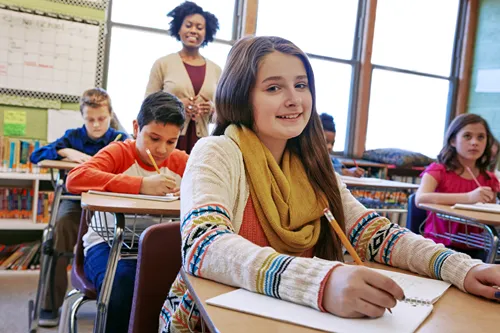
Sometimes, children can be teased by their peers for looking “different.” A proactive approach is to educate classmates about the importance and coolness of glasses. Many schools allow short presentations or ‘show and tell’ sessions. Use this opportunity to talk about famous personalities with glasses or conduct fun vision-related experiments. Knowledge can foster understanding and reduce teasing.

Engage in Activities that Highlight the Importance of Clear Vision

Activities like stargazing, bird watching, or attending a theater can underscore the importance of clear vision. When kids can associate their glasses with enhanced experiences, they’ll see them in a positive light.

Looking Forward

While the initial transition to wearing glasses can be challenging for some children, with a mix of understanding, encouragement, and creativity, it can be a smooth and even enjoyable journey. By reframing glasses as a superpower, children can not only embrace their new accessory but also wear it with pride and confidence. After all, in a world where everyone is trying to fit in, it’s the unique traits that help us stand out and shine.

Additional Reading Resource:

Learn how to detect eye problems in children at an early age.

Share This Article

Emojis Speak Louder: Decoding Kids’ Online Conversations

Staying up-to-date on technology is not only about cybersecurity and keeping your kids safe online, it is also about understanding the emojis and slang your children may be using online to ensure they’re safe.

This all may seem like a lot, but take a deep breath, and let us guide you through the most important aspects of kids’ digital communication and the ‘code’ they speak in.  By knowing this lingo, you won’t feel clueless when ensuring your child’s safety ever again.

Digital Communication

Digital communication is an increasingly important topic to be knowledgeable about when it comes to preparing your kids for their future education and careers as well as for keeping them safe online.

Some basic digital skills would be beneficial for your children to learn. These include writing professional emails, communicating with teachers or future employers versus friends and family, and understanding digital etiquette.

Emojis, abbreviations, and slang

However, no matter how much you educate them, kids will inevitably develop their own language. It seems there is a whole slew of emojis, abbreviations, and slang that kids use nowadays that sound completely alien to the average parent.

Nevertheless, if you learn all that, you may have an easier time understanding them. So, without further ado, let’s dive into the visual-textual mishmash that is today’s kids’ online language.

Most popular emojis and their meanings

  • emoji Crying-Laughing (Crying Laughing) – Often used for something hilarious, but can also indicate sarcasm.
  • emoji Eye Roll (Eye Roll) – Signals disbelief or annoyance; not to be taken at face value.
  • emoji Thinking Face (Thinking Face) – Could signify actual thought or skepticism about something said.
  • emogi Skull (Skull) – Used to indicate “I’m dead” or “dying of laughter,” an exaggeration for finding something very funny.
  • emogi Loudly Crying Face (Loudly Crying Face) – Used to emphasize sadness or frustration, but sometimes used for things that are so cute or funny it brings one to “tears.”
  • emogi Praying Hands (Praying Hands) – Besides the obvious, it can mean “please” or “thank you” in some contexts.
  • emogi Fire(Fire) – Represents something that’s “hot” or trending; not just actual fire.
  • emogi Clown (Clown) – To call someone or something ridiculous or foolish.
  • emogi Cap (Cap) – Indicates someone is lying or exaggerating.
  • emogi Steam From Nose (Steam From Nose) – Signifies frustration or a sense of victory and dominance over others.
  • emogi Pleading Face (Pleading Face) – Used to beg or make a cute request; doesn’t always imply actual sadness.
  • emogi New Moon Face (New Moon Face) – Used to denote awkwardness, and creepiness, or to humorously highlight a   socially awkward statement.
  • emogi Woman Shrugging (Woman Shrugging) – Signals indifference or lack of knowledge about something.
  • emogi Snake (Snake) – Denotes an untrustworthy or deceitful person.
  • emogi Rainbow (Rainbow) – Beyond LGBTQ+ pride, it can also signify something magical or idealistic.
  • emogi 100 (100) – Represents full agreement, or saying something is perfect or spot-on.
  • emogi Pizza (Pizza) – Besides the obvious, it can signify something awesome or the slang term ‘za’ meaning pizza.
  • emogi Peach(Peach) – Often used as a euphemism for a buttock.
  • emogi Eggplant (Eggplant) – Commonly used as a phallic symbol.
  • emogi Sweat Droplets (Sweat Droplets) – Represents hard work or effort, but is also used as a suggestive innuendo.

Most popular online slang

Contrary to popular belief, kids aren’t always willing to abbreviate every thought to the max. Yup, it’s not all LOL, WTF and OMG anymore—you’ll also need to learn slang, lest you want to unknowingly endanger your kids due to obliviousness. Some popular terms and phrases include:  

  • Drip: A term denoting standout fashion or style.
  • Finsta: A secondary, usually more private, Instagram account.
  • Mood: Indicates something is emotionally resonant or relatable.
  • Shook: Experiencing strong surprise or disbelief.
  • Dank: Initially used to describe high-grade cannabis, now also refers to excellent memes.
  • Sus: Short for either suspect or suspicious, used to indicate doubt or mistrust.
  • Rizz: The knack for successfully drawing romantic interest.
  • Bussin: Exceptionally tasty, most often used to describe food.
  • Glow up: A significant transformation or improvement, either physical or emotional.
  • Fit: Refers to a complete look or ensemble.
  • Hits different: Exceptionally good or impactful, beyond the norm.
  • Ghost/ghosting: The act of abruptly ending a relationship by cutting off all contact.
  • Karen: Describes a middle-aged woman perceived as entitled or confrontational.
  • Ok, boomer: A retort used to dismiss outdated or old-fashioned opinions.
  • Stan: An ardent and often obsessive fan, usually of a celebrity. Originates from an Eminem song.
  • Rager: A large, boisterous party, often featuring alcohol.
  • Mid: Describes something as mediocre or uninspiring.
  • Salty: Expressing or feeling bitterness or irritation.
  • Lowkey: Signifies a laid-back or subtle approach.
  • Highkey: Indicates something is of high importance or intensity.
  • Bet: A colloquial way of saying “yes” or “agreed.”
  • Sipping tea: Engaging in or understanding gossip, inspired by a Kermit meme.
  • Spilling tea: Actively sharing gossip.
  • To sleep on: To underestimate or overlook something valuable.
  • Deada$$: Absolutely certain or serious.
  • Bruh: An exclamation of disbelief or surprise.
  • Cross-Faded: Simultaneously under the influence of alcohol and cannabis.
  • Bae: An acronym for “Before Anyone Else,” denoting a significant other.
  • Lit: Describes something fun or exciting, also used for being intoxicated.
  • Beef: A disagreement or conflict.
  • Woke: Being socially and politically conscious.
  • Extra: Excessive or dramatic behavior.
  • Turnt: In a state of excitement or intoxication.
  • Roasted: Subjected to harsh criticism or mockery.
  • Plug: A person who supplies illicit substances.
  • Gucci: A synonym for cool or good.
  • I’m dead: An expression of strong disbelief or amazement.
  • Geeking: Laughing uncontrollably, often to the point of discomfort.
  • Thirsty: Exhibiting desperation, often in a romantic context.
  • Netflix and chill: A euphemism for intimate activity.
  • Throw shade: To insult or demean someone.
  • Dope: A term indicating approval or coolness.
  • Bye Felicia: A dismissive farewell, based on a line from the movie “Friday.”

IT and Cybersecurity to the Rescue

Finally, it’s not enough just to be knowledgeable—you need to be proactive. And there’s no better way to prevent threats, than by educating your children.

IT basics to teach your kids

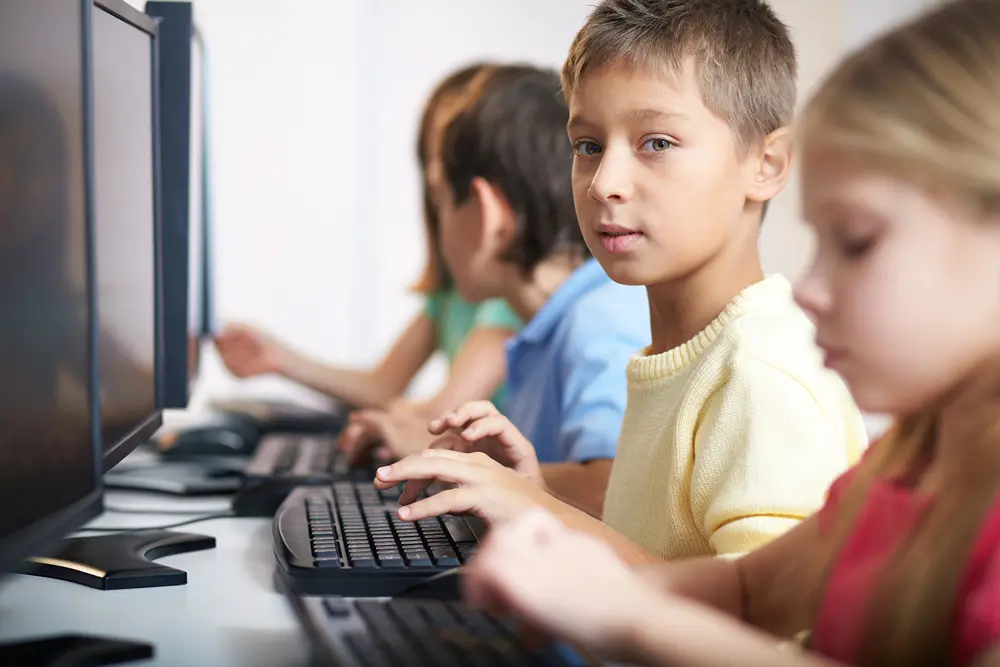
Introduce your kids to secure web browsing using various browsers and VPNs. Teach them how to recognize harmful sites and how to properly manage files. While exploring computer tools, you can subtly incorporate the use of a PDF editor for tasks like editing text and filling forms. Not only is it useful, but again, it also teaches kids valuable business skills they’ll be able to harness in the future

Plus, using specialized software is a great way to avoid all the complexities of Microsoft and Google’s office software suites. While useful, these platforms are often too complex for young children. With bespoke solutions, you can still teach them the essentials. And who knows—you can also refresh your knowledge and learn a thing or two a long the way.

Cybersecurity essentials to teach your kids

Cybersecurity is a critical skill set in today’s digital world. Start by teaching your kids how to set up an online profile securely, emphasizing the need for robust privacy settings. For instance, two-factor authentication and anti-malware protection are simple enough for them to understand.

Then you can move on to installing apps and games, showing them the safe way to do it. VPNs and Wi-Fi should also be topics of discussion. Personal information should be guarded zealously; make sure they understand the dangers of oversharing online and giving out information to strangers. And last but not least, encourage your child to be open and honest with you. That’s by far the best way to tackle threats—by working together, as parent and child.

About the Author:
Ryan Harris is a copywriter focused on eLearning and the digital transitions going on in the education realm. Before turning to writing full time, Ryan worked for five years as a teacher in Tulsa and then spent six years overseeing product development at many successful Edtech companies, including 2U, EPAM, and NovoEd.

Share This Article