When Connection Feels Unsteady: Insecure Attachment In School-Aged Children
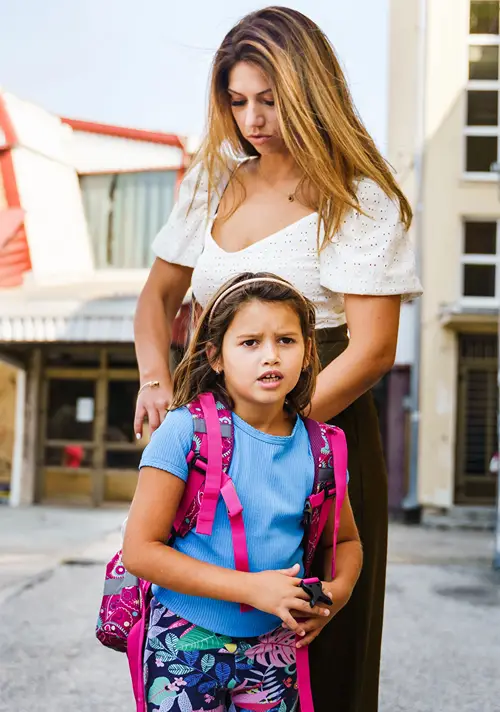
As children enter school, their social world expands quickly. Friendships, classroom expectations, and interactions with adults outside the home place new emotional demands on them. For some children, these changes reveal insecure attachment patterns that formed earlier in life.
Recognizing how these patterns show up during the school years helps parents and educators respond with clarity and care.
What Attachment Looks Like Beyond Early Childhood
Attachment refers to the way children relate to caregivers and seek support during times of stress. While attachment forms early, its effects continue well into the elementary years. Securely attached children generally feel safe asking for help and exploring on their own. Insecure attachment patterns can lead to behaviors that appear confusing or disruptive, especially in structured school environments.
School-aged children with insecure attachment may struggle more with transitions, authority figures, or peer relationships. These challenges are not signs of failure or poor parenting. They are signals that a child may need additional emotional support.
Common Types of Insecure Attachment Patterns
There are several insecure attachment patterns that may appear during the school years. Children with anxious attachment often seek constant reassurance. They may worry excessively about being liked by teachers or peers and react strongly to perceived rejection.
Avoidant attachment can look very different. These children may appear unusually independent, resist help, or withdraw emotionally when upset. They often learned early that expressing needs did not lead to comfort, so they rely on self-protection instead.
Disorganized attachment may involve inconsistent behavior, such as wanting closeness but reacting with fear or anger when it is offered. These children can find school particularly stressful because expectations feel unpredictable.
How Insecure Attachment Shows Up in the Classroom
In the classroom, insecure attachment may be mistaken for attention problems or defiance. A child might act out to gain attention or shut down during group work. Difficulty trusting adults can make it harder to accept guidance or correction.
Peer relationships can also be affected. Some children cling to friends, while others avoid close connections altogether. Group activities, conflict resolution, and cooperative learning can highlight these patterns.
Supporting Children at Home and School
Consistency is one of the most powerful tools for supporting children with insecure attachment. Predictable routines, clear expectations, and calm responses help build a sense of safety. When adults respond reliably, children slowly learn that support is available.
Emotional coaching also plays an important role. Naming feelings, validating them, and modeling healthy coping skills teaches children how to manage emotions more effectively. This approach benefits all children, not just those with attachment challenges.
In some cases, professional support may be helpful. Options such as online therapy for kids can provide families with accessible guidance that fits busy schedules while focusing on emotional growth and connection.
When parents and educators work together to create stable, supportive environments, children gain the confidence to explore, learn, and connect. Small, consistent efforts can make a meaningful difference in how children experience relationships both inside and outside the classroom. Look over the accompanying resource to learn more.
How-insecure-attachment-patterns-influence-a-childs-school-engagement-and-behavior