Category: Social Media Safety

How We Dropped the Ball with Kids and Social Media, and How We Can Avoid That Mistake with AI

Two girls laying on grass looking up a smartphone.

Social media emerged so swiftly and ubiquitously into daily life that no one had time to truly understand its implications, especially for children. We watched our kids pick up smartphones and engage with platforms we hardly understood ourselves.

We didn’t set clear guidelines or boundaries because, frankly, we didn’t know we needed to. And now, the consequences are clearer, and more troubling, than ever.

Where We Went Wrong with Social Media

We introduced a generation of children to an unprecedented digital landscape without a roadmap. Kids, naturally curious and eager for validation, dove headfirst into platforms designed to captivate and hold their attention. Social media promised connection but delivered anxiety. It guaranteed entertainment but came at the cost of focus, sleep, and self-esteem.

Studies like those found in Jean Twenge’s book, “iGen: Why Today’s Super-Connected Kids Are Growing Up Less Rebellious, More Tolerant, Less Happy–and Completely Unprepared for Adulthood”, and Jonathan Haidt’s influential work, The Coddling of the American Mind, have shown how our lack of early intervention and guidance has resulted in a generation struggling with unprecedented mental health issues.

Kids have been flooded with unrealistic portrayals of life, continuous social comparisons, and unfiltered access to adult content, no controls, no guardrails. Now we grapple with a young population increasingly prone to anxiety, depression, and chronic distraction, struggling to develop critical social skills and self-confidence, all while sacrificing the precious innocence of childhood.

In short, we didn’t educate our children about social media; we simply handed it to them. And now we’re scrambling to fix something we should have proactively managed.

Here Comes the Next Wave: Artificial Intelligence

Just as we’ve begun understanding the social media damage and cyber threats, we face another powerful technological transformation: AI.

Artificial Intelligence tools, especially generative ones like ChatGPT, are becoming as common as the calculator. Already, students use them to write essays, complete homework, and answer exam questions. Without intervention, we risk repeating history, but with even more dire consequences.

AI, much like the calculator in the last century, risks atrophying the intellectual muscles of our children. Just as mental math faded with the rise of handheld calculators, critical thinking and creativity might atrophy as AI-generated content becomes the norm.

If left unchecked, the ease of AI will erode students’ fundamental skills, reading comprehension, logical reasoning, creativity, and effective communication. These aren’t just academic skills; they’re life skills, crucial to navigating adulthood.

Moreover, overreliance on AI can weaken the very foundation of education: the ability to question, to debate, and to create genuinely original thought. Soon, students may graduate without having developed these essential skills, left unequipped for the realities of life.

Avoiding Another Social Media Mistake: Taking Control of AI

Fortunately, we’re still in a position to learn from our social media missteps. We now recognize the consequences of leaving children unsupervised in digital landscapes. AI doesn’t have to repeat that tragic history, but only if parents and educators step forward with proactive guidelines.

Here’s how we can avoid making the same mistakes with AI:

1. Establish Clear Guidelines and Boundaries Early

We must define clear boundaries around AI usage in school and at home. Make sure kids understand when and how it’s appropriate to use AI and when it undermines genuine learning. Early structure prevents confusion and overdependence later on.

2. Teach the Risks Explicitly

We must educate children explicitly on the dangers of over-reliance on AI. They should understand how easily it can stunt their intellectual growth, making them reliant rather than resourceful.

Just as we’ve finally started teaching digital literacy around social media, we must now teach “AI literacy”, helping kids identify limitations, biases, and proper use cases for these tools. While doing that, we just can’t forget about basic literacy.

3. Show Kids We Understand the Technology Too

Kids easily dismiss adults who seem clueless about new technology. To be credible, we must demonstrate our own understanding and thoughtful use of AI tools. By showing them that we see AI as a tool, not a crutch, we lead by example, reinforcing a healthy relationship with technology. Even yearbooks are being digitized, so we have to make sure we teach them how to use these tools, and how to know when they are not in the range of safety.

4. Emphasize Critical Thinking and Creativity

Schools should adapt quickly, placing renewed emphasis on teaching critical thinking, originality, and communication skills that AI can supplement, but never replace. Rather than banning AI outright, we should strategically integrate it into lessons as a resource to support, not replace, student effort.

Moving Forward Thoughtfully

We’ve seen firsthand the cost of neglecting guidance and structure in digital spaces. Social media caught us unaware; we weren’t ready. Now, our children are paying a high price in mental health and social development.

AI technology is evolving rapidly, and its transformative potential, both positive and negative, is immense. As educators, parents, and guardians, our task is to step ahead this time, thoughtfully guiding the next generation through this new digital revolution.

By embracing clear boundaries, teaching critical risks and benefits, modeling intelligent use, and re-centering education around fundamental skills, we can ensure our children grow with the technology rather than becoming passive consumers of it.

Let’s not drop the ball again. Our children deserve better, and now, equipped with hindsight and foresight, we have the power to deliver it.

Share This Article

How Social Media Affects Your Teen’s Mental Health

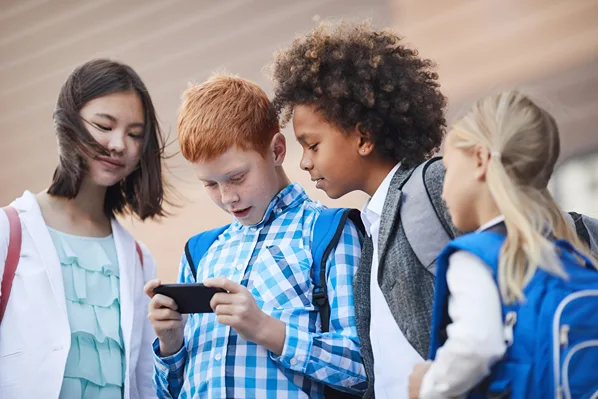
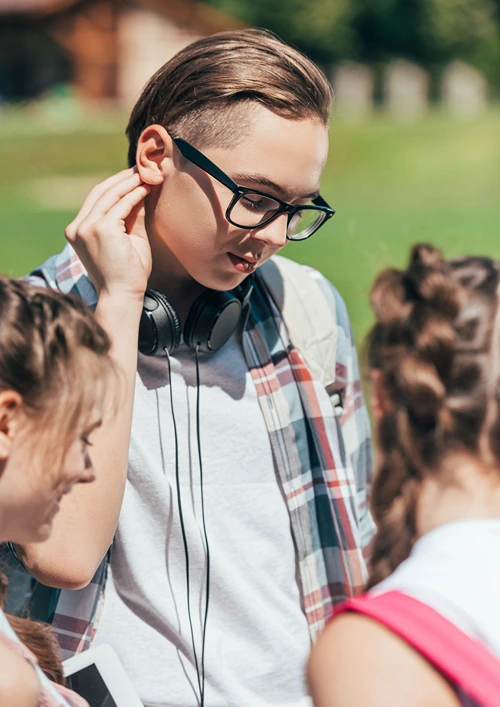
Teens hanging out in a park.

Many teenagers today spend approximately three hours a day on social media, a fact that is increasingly being observed by experts in relation to their mental health. Although these platforms can provide a sense of community, they also pose potential risks, such as exposure to unrealistic standards and cyberbullying.

Studies show clear implications for the mental health of young users, highlighting the need for parental intervention and guidance. In-depth knowledge about social media’s influence allows for thoughtful discussions on how to mitigate its negative effects on adolescents’ mental health.

To comprehend the scope of this issue thoroughly, let’s delve deeper into the research documenting the correlation between social media use and mental health in teenagers.

The Impact of Social Media on Teen Mental Health

The scope of social media use amongst teenagers is broad, with a survey in 2022 revealing that an impressive 95% of teens use it.

However, it’s equally important to realize that this widespread use may have significant implications for their mental well-being. Studies suggest a correlation between using social media for more than three hours a day and an increase in symptoms of anxiety and depression among adolescents.

Additionally, the feeling of loneliness and an adverse self-image, potentially fueled by unrealistic content on various platforms, can be concerning. Cyberbullying on social media is another factor, contributing to heightened emotional stress and inadequacy.

The Surgeon General, recognizing these potential impacts on young people’s mental health in the digital age, encourages a proactive approach in mitigating associated stressors. For parents concerned about their teen’s internet usage and its effects, White River Academy offers specialized out-of-state treatment programs for internet addiction and other behavioral challenges facing adolescent boys.

Benefits and Risks of Social Media Use by Teens

Social media serves as an essential platform for teens looking for acceptance and support, with 58% reportedly feeling more included, and 67% discovering support through online interactions.

However, there are also negatives to consider. Extended use can heighten the risks of anxiety and depression. The widespread presence of idealized images could contribute to body dissatisfaction and eating disorders, especially among girls.

Cyberbullying is a serious issue on these platforms, negatively impacting mental health, especially in susceptible teens. Even though social media often gives a sense of community, its superficial nature can contribute to feelings of loneliness.

Content Concerns and the Results of Excessive Social Media Use

While social media can be fascinating and engaging particularly for teenagers, it’s important to address the potential concerns related to its content and the effects of overuse. These concerns could significantly influence one’s mental health.

  • A connection has been found between exposure to harmful content and increased rates of suicide and self-harm tendencies.
  • Idealized beauty standards depicted online may contribute to the development of eating disorders.
  • Excessive use of social media can contribute to heightened levels of anxiety and depression.
  • Overuse can also lead to altered routines which may result in sleep disturbances and a sense of social isolation.

Recognize the impact of social media on personal well-being.

It’s critical not to let negative factors like cyberbullying, distorted body image perceptions, or platform algorithms impact your self-esteem and overall sense of happiness.

Tips for Regulating Your Teen’s Social Media Use

In preparation for your child’s teenage years, it is prudent to formulate a social media strategy. Implement guidelines that regulate screen time to safeguard their mental health.

Encourage teens to switch off their devices an hour before bedtime to maintain good sleep habits, a measure that can directly link to managing anxiety and depression levels. Maintaining a device-free environment in bedrooms and allotting ample time for offline activities can contribute significantly to emotional health.

Consistently reassess and tune these guidelines, with a continuous emphasis on academic obligations and overall well-being. It should be recognized that unchecked social media use can potentially contribute to increased stress and depression levels.

Encouraging open dialogue about their social media usage and any subsequent issues is important. As a parent or guardian, your engagement is a pivotal factor in fostering a balanced digital life, which has a direct effect on the overall health of your teenager.

Effective Strategies for Healthy Social Media Use

Open communication about social media use can provide a safe environment for teenagers to discuss their online experiences or ask for assistance when needed.

Parental involvement can be beneficial, acting as guidance rather than intrusion, and can greatly contribute to a teenager’s mental well-being.

Consider implementing practical strategies such as:

  • Establishing clear guidelines for social media use
  • Educating on responsible social media practices
  • Encouraging effective time management for screen use
  • Using role modeling as a strategy to positively shape a teenager’s online behavior.

Conclusion

Social media, while having its advantages, can negatively impact teenagers’ mental health, exacerbating issues such as anxiety and depression. Conversely, it can also create a sense of community and support among peers. As a parent, your involvement is essential. It’s important to establish guidelines, facilitate open discussions, and exhibit sensible online behaviors. Encouraging your teen to forge a balanced relationship with social media can be seminal, combining its positive aspects while mitigating potential risks. The goal should not be to prohibit access, but to promote thoughtful and respectful usage.

Share This Article

Why Sharing Your Child’s Pictures on Social Media Could Put Them at Harm

Mom engaged on smartphone while daughter looks off into the distance.

In the age of social media, it’s tempting for parents to share cute photos and videos of their children online. However, this common practice comes with potential risks that many parents fail to consider. Sharing children’s images publicly could expose them to danger from online predators or impact their digital footprint later in life.

While avoiding oversharing is wise, there are safer ways to let friends and family enjoy photos of your little ones.

The Dangers of Oversharing Children’s Photos Publicly

Posting identifiable photos of your children on public social media accounts creates risks you may not have contemplated. For one, these images could end up in the hands of paedophiles or other criminals seeking to exploit or harm children. It is well known that paedophiles actively seek out photos of children on unsecured social media accounts to distribute child sexual abuse material. Even if you choose to share innocuous family photos, criminals can use these images inappropriately.

Additionally, what seems harmless now may come back to haunt your child later in life. Colleges, universities, employers and others often search candidates online before accepting them. Childhood photos showing embarrassing moments or private family activities could negatively impact your child’s future opportunities if shared widely. Your child has no choice in you posting their photos online. It’s best to consider their privacy and avoid oversharing identifiable photos of minors publicly.

Sharing Photos More Safely with Family and Friends

While discretion is advised for public social media sharing, you can still let loved ones enjoy adorable moments with your children online. Using privacy settings and services designed for family sharing can allow you to share treasured photos safely.

  • Limit Access with Privacy Settings – On platforms like Facebook, double-check that your privacy settings for photo albums and posts are set to “Friends only”, not “Public”. Regularly review who has access to your content. Also, ask friends and family not to share photos you post of your children on their own public pages or profiles.
  • Utilise Family Sharing Sites and Apps – Certain sites and apps create private, closed communities for family sharing, such as Kapshoo. Users must be approved connections to gain access to your family’s photos. You can also remove users easily if needed. Family members can still fawn over how quickly your children are growing up without increasing their exposure online.
  • Strip Metadata from Photos – Before posting any photos of your children, be sure to remove metadata like geotags from image files. Metadata can transmit potentially sensitive information, like exactly when and where a photo was taken. For children’s safety, it’s best to strip out these details before sharing photos digitally.

Educating Teens on Social Media Use

Once your child is old enough to use social media themselves, discuss appropriate sharing and privacy settings. Make sure they understand the importance of being selective about what images they share publicly online. Emphasise that photos posted can have unintended consequences in the future.

While social media makes it easy to share children’s photos with the world, parents should carefully consider children’s privacy and safety first. Avoid over-posting identifiable images of minors publicly. For safer sharing with loved ones, use privacy settings, family sharing platforms and metadata removal to let the important people in your child’s life watch them grow up without unnecessary risk.

Share This Article

How to Post Photos Safety Online – Part 2

Posting picture online is a fun and popular way to connect with friends, family, and even a broader audience. But whether you’re looking to share a pic on social media or a website, there are safety measures to keep in mind to ensure sure your pictures are shared securely and responsibly.

This may seem like an old topic, but the potential risks associated with sharing photos have grown. From privacy concerns to the possibility of unintended audiences, a single picture has the power to reach far beyond its intended scope if the proper precautions aren’t taken.

How to Post Pictures Safely Online

Whether you’re posting a selfie, a photo of a family event, or a photo of your friends, here’s a simple guide to help you share your pics with confidence and security.  Being aware of each photo platform matters as well.

Choose Your Platform Wisely

Different platforms offer different experiences and privacy controls:

  • Social Media is ideal for casual sharing when you want to connect with a personal audience. Always check privacy settings to control who can see your posts.  Popular platforms include Instagram, Pinterest, Facebook, TikTok Photo Mode, Snapchat, Tumblr, and Twitter.
  • Photo Sharing Sites can be useful for sharing large albums with specific people. Some allow you to set visibility to “private,” “friends-only,” or “public.” Popular sites include Google Photos, Flickr, Photobucket, SmugMug, Adobe Portfolio, and Dropbox.

Check Privacy Settings

Each platform has privacy settings that allow you to control who can view your photos. Before you post:

  • Adjust Visibility: Most platforms let you choose whether a post is public, friends-only, or restricted to specific people.
  • Tagging Controls: On social media, control whether others can tag you or others in your photos.
  • Review Security Options: Make sure you’re aware of any third-party permissions or connections, especially on platforms like Facebook that link to other apps.

Be Selective with Personal Information

While sharing moments online can be fun, it’s wise to avoid sharing too much personal information:

  • Avoid Geotags and Location Data: Turning off location data can help keep your location private, especially if the picture is taken at home, school, or other personal spots.
  • Watch Out for Background Details: Details in the background, like mail with addresses, car license plates, or school names, can unintentionally reveal personal information.

Optimize Image Quality and Size

Uploading high-quality photos ensures they look their best online, but large files can be slow to upload and may not display well on all devices.

  • Resize Images if Needed: Many platforms recommend or automatically adjust image sizes. This helps your images load faster while still looking sharp.
  • Use Editing Tools: Basic tools can help enhance lighting, contrast, and colors before posting. Just be careful not to over-edit—natural photos often perform better

Be Mindful of Copyright and Permissions

How to Post Photos Safety Online

If your photo includes other people or recognizable brands:

  • Ask for Consent: If you’re posting photos of others, especially kids or private events, ask for permission first.
  • Give Credit: If you’re sharing content created by someone else, such as a professional photographer, make sure to credit them properly.
  • Use Watermarks: For photos you’ve taken yourself, consider using watermarks to prevent unauthorized use or sharing.

Engage Responsibly

Once you post your photos, engagement is likely to follow! Here are some tips for handling comments and interactions:

  • Monitor Comments: If your photos are public, keep an eye on comments for any inappropriate or negative interactions. Many platforms allow you to moderate comments or limit who can comment on your posts.
  • Respond Thoughtfully: Positive engagement can boost your post’s visibility and make your photos more memorable for viewers.
  • Report Inappropriate Content: If you notice that your photos are being used without permission, or if you receive unwanted comments, report these issues directly to the platform.

Final Thoughts

Posting pictures online can be a fantastic way to share your life and creativity. By keeping these tips in mind, you can protect your privacy, ensure quality, and make the most of your online presence in a safe manner.  Whether you’re sharing a family snapshot or your latest artistic creation, a little care goes a long way in keeping your photos secure and enjoyable for all. It’s all part of the complete picture in regards to cybersecurity.

Stay Aware of Your Digital Footprint

Regularly review your posts and consider deleting older content that no longer reflects you or your goals. Some platforms offer “archive” features, allowing you to hide old posts without deleting them permanently.

Share This Article