The Power of Play: How Hands-On Activities Shape Young Minds
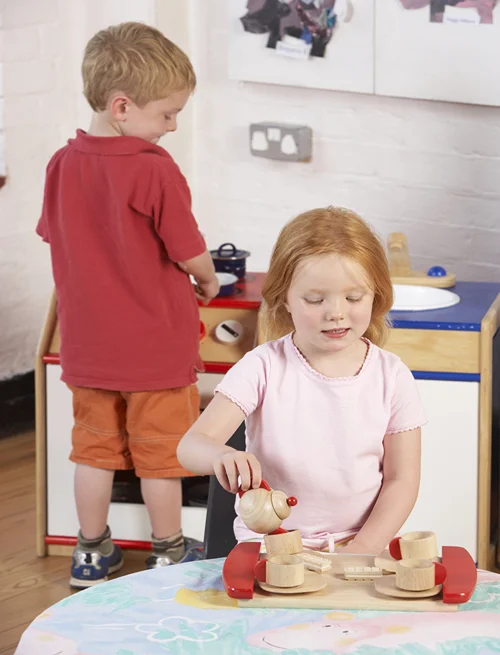
Many parents worry that their kids spend too much time in front of screens, and with good reason. Studies show that hands-on play helps children’s brains grow and learn. Even the most simple everyday activities can shape young minds for life.
Here are some easy ways to use play-based learning at home and in school. These ideas can help turn everyday moments into meaningful opportunities for learning.
The Role of Hands-On Activities in Cognitive Development
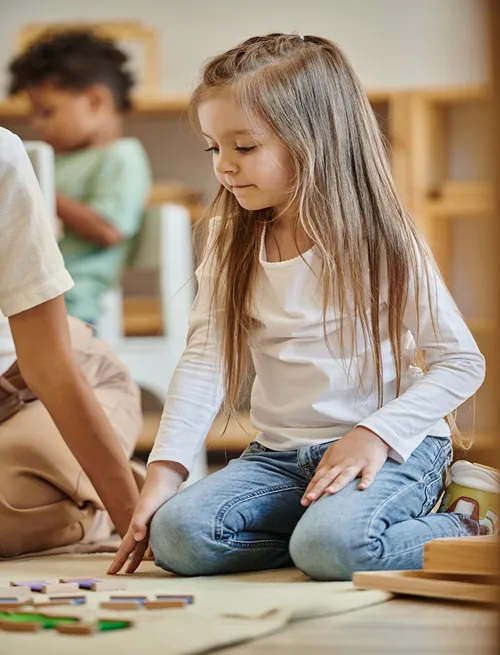
Hands-on activities help children build their brains. Sensory-rich experiences like playing with clay or sorting blocks boost learning. Kids use their senses to touch, see, and move objects.
This action forms new neural pathways in the brain. Early childhood experts say play-based learning improves memory retention and critical thinking skills.
Children solve problems as they play with puzzles or stack cups. Activities such as finger painting and building towers teach focus and patience. Learning through movement also develops fine motor skills needed for writing later on.
Each playful moment prepares young minds for greater problem-solving tasks ahead in life, which leads right into how play boosts these vital skills next.
How Play Enhances Problem-Solving Skills
Kids often solve puzzles and build things while playing. These hands-on activities boost problem-solving skills in early childhood development. For example, stacking blocks helps children figure out balance and structure. Interactive games can teach kids to think ahead and make smart choices.
Play-based learning lets children test ideas without fear of failure. They learn from small mistakes during sensory-rich experiences. This builds stronger neural pathways for memory retention and critical thinking. Children gain confidence each time they find a solution on their own.
Through play, kids also practice working with others as part of a group or team. The next step explores how these social interactions help shape emotional growth, too.
Developing Social and Emotional Skills Through Play
Play helps children build important social and emotional skills. They learn to share, take turns, and communicate. These activities create a space for kids to express their feelings. Playing with others teaches empathy, which is key in making friends.
During play, children explore different roles. Pretend games let them act out various scenarios. This helps them understand other people’s emotions and views. Play also gives kids a way to cope with challenges or frustration.
Engaging in hands-on activities boosts their confidence too; they feel proud when they solve problems together or complete tasks creatively.
The Connection Between Play and Creativity
Hands-on activities spark creativity in young minds. Children create with their imaginations during playtime. They experiment with ideas and materials freely. This process helps build new neural pathways in the brain, encouraging cognitive growth.
Different types of play boost creative thinking skills. Open-ended activities like arts and crafts allow kids to explore their thoughts without limits. Interactive games challenge them to think outside the box.
Such experiences engage children, making learning fun while enhancing their problem-solving abilities at the same time.
Types of Hands-On Activities That Stimulate Learning
Hands-on activities can make learning fun. Kids can explore through free play, guided play, creative arts and crafts, plus accessible and interactive toys and games.
Free Play vs. Guided Play
Free play and guided play both help children learn, but they do so in different ways.
| Aspect | Free Play | Guided Play |
| Definition | Children choose activities on their own. No set rules or instructions given by adults. | Adults lead activities with goals in mind. Kids still explore, but within a set framework. |
| Example | Kids build with blocks or create games with friends. | Teachers ask students to build a bridge with blocks to learn about balance. |
| Learning Focus | Boosts imagination and independence. Sparks curiosity and self-direction. | Targets specific skills like counting or teamwork. Helps kids practice problem-solving. |
| Role of Adults | Observe and keep the play safe. Do not interrupt or direct. | Guide and support. Offer hints, ask questions, or set small challenges. |
| Cognitive Impact | Encourages flexible thinking and open-ended exploration. | Builds focus and mastery through step-by-step tasks. |
| Social Skill Growth | Children set their own rules. Learn sharing and negotiation naturally. | Adults model teamwork. Guide children in taking turns and solving conflicts. |
| Research Findings | Studies by Dr. Kathy Hirsh-Pasek show that free play builds creativity. | Guided play can help kids remember new information longer, as found by the University of Delaware in 2021. |
| Best For | Fostering independence and creative risk-taking. | Practicing new concepts with gentle support. Great for early math and science skills. |
Interactive Games and Puzzles
Interactive games and puzzles are fun ways for kids to learn. They help build skills that are key to their growth.
- These activities boost critical thinking. Kids must think through challenges to solve problems.
- Puzzles improve memory retention. Children remember pieces and how they fit together.
- Games enhance engagement. They keep kids focused and excited about learning.
- Interactive play promotes teamwork. Kids often play together, learning to share and cooperate.
- Colors and shapes in puzzles stimulate sensory experiences. These elements keep children interested and curious.
- Many games involve planning ahead, which enhances cognitive skills. Kids learn to strategize their moves as they play.
- New puzzles introduce concepts like patterns and sequences, building math skills early on.
- Many interactive games adapt to a child’s age or skill level, ensuring appropriate challenges.
- Playing with others helps develop communication skills as kids talk about strategies or rules.
- Time spent with interactive activities fosters creativity as children explore solutions in unique ways.
These hands-on activities make learning enjoyable while shaping young minds effectively.
Arts, Crafts, and DIY Projects
Arts, crafts, and DIY projects are fun ways for kids to create. These hands-on activities boost learning and creativity.
- Engaging in arts and crafts helps children improve their fine motor skills. Small movements like cutting or gluing enhance hand-eye coordination.
- DIY projects let kids express themselves. They can choose colors and materials that reflect their personality.
- Working on a project together encourages teamwork. Children learn how to share ideas and support each other.
- Arts and crafts can spark imagination. Kids can turn simple items into unique art pieces with creative thinking.
- Creating something from scratch boosts confidence. Completing a project gives children a sense of accomplishment.
- These activities offer sensory-rich experiences. Touching different textures or mixing paints stimulates the senses and enhances learning.
- Crafts can teach basic math skills, too. Measuring materials and counting supplies help reinforce numbers in a fun way.
- Kids learn patience through arts and crafts. Some projects take time to complete, teaching them to focus on the process rather than just the end result.
- Parents can encourage arts and crafts at home with simple supplies like paper, scissors, and crayons. Easy access invites kids to explore their creativity anytime.
- Many schools integrate arts into their curriculum, promoting well-rounded development; this approach connects art with other subjects like science or history for better understanding.
- Projects that involve recycling promote environmental awareness while being creative; kids learn the importance of reusing materials while having fun making new things from old items.
- Crafts build community by bringing families together; when parents or siblings join in, it strengthens bonds while enjoying quality time crafting together.
Encouraging Play-Based Learning at Home
Play-based learning is important for young minds. It helps children grow and develop in many ways.
- Set aside time each day for play. This shows your child that play is important.
- Create a space for free play at home. Make it safe and inviting with toys, books, and art supplies.
- Join in on the fun. Play games or do activities together to boost engagement.
- Limit screen time. Offer more hands-on activities instead of just watching TV or playing video games.
- Encourage creativity through different materials. Use clay, paint, or recycled items to inspire imagination.
- Allow children to lead their own playtime. This builds independence and critical thinking skills.
- Provide puzzles and interactive games that challenge problem-solving abilities. These tools support cognitive growth.
- Incorporate sensory-rich experiences such as water play or outdoor exploration to enhance learning through the senses.
- Share stories together and ask open-ended questions about them to spark discussion and creativity.
- Celebrate effort over results during playtime, which helps build confidence and motivation in children.
Play-based learning can shape young minds positively at home.
Hands-On Learning in Educational Settings
Hands-on learning brings excitement to classrooms. Teachers can use activities that engage students in real-life tasks. These activities help students grasp complex ideas better. Children learn best through play-based learning. They connect new knowledge with hands-on experiences.
In educational settings, interactive games and puzzles boost critical thinking skills. Arts and crafts allow for creative exploration while developing motor skills. Sensory-rich experiences make lessons memorable and fun, aiding memory retention.
Students who engage in these activities often show higher engagement levels, leading to deeper understanding of subjects.
The Long-Term Impact of Play on Young Minds
Play has a significant impact on young minds that lasts into adulthood. Engaging in hands-on activities helps build strong neural pathways. These connections make it easier for children to learn and remember things later in life.
Kids can unleash their creativity and storytelling as they recreate favorite scenes with Simba Lego.
Skills like problem-solving and critical thinking grow through play-based learning. Kids who explore creatively often think outside the box as adults. They become better at tackling challenges as they develop.
Playing also shapes social skills and emotional intelligence. Through games, kids learn to share, cooperate, and express feelings. These experiences create the foundation for healthy relationships in the future.
Research shows that children who play well with others are more likely to succeed socially and academically later on. Their ability to connect with peers builds their confidence as they grow up. Play lays a solid foundation for lifelong growth and success.
Tips for Parents and Educators to Foster Play
Hands-on activities are crucial for children. They help develop young minds and spark creativity. Here are tips for parents and educators to foster play.
- Create a safe space for play. A clean, open area helps kids explore freely without fear of injury.
- Provide various materials for play. Items like blocks, art supplies, and sensory bins enhance learning through play.
- Encourage open-ended activities. Let kids use their imagination to build or create without strict rules.
- Join in the fun when possible. Playing together fosters bonding and encourages teamwork skills.
- Limit screen time to encourage active play. Children learn better with hands-on interactions rather than passive viewing.
- Set regular times for free play each day. Consistent schedules help kids anticipate and enjoy these moments.
- Offer guidance but avoid taking control of the game. This allows children to solve problems independently and build confidence.
- Praise effort over results during playtime. This builds resilience and promotes a growth mindset for kids, helping them stay motivated and view challenges as opportunities to learn.
- Mix structured activities with free play periods throughout the day; this balance supports cognitive development and critical thinking skills.
- Share ideas about creative exploration with other parents or educators; collaborating can generate new playful insights that benefit all children involved.
Balancing Play and Screen Time
Play and screen time both matter for kids. Play helps build skills like creativity, problem-solving, and critical thinking. Kids learn best through hands-on activities that engage them fully. These activities also help create strong neural pathways in the brain.
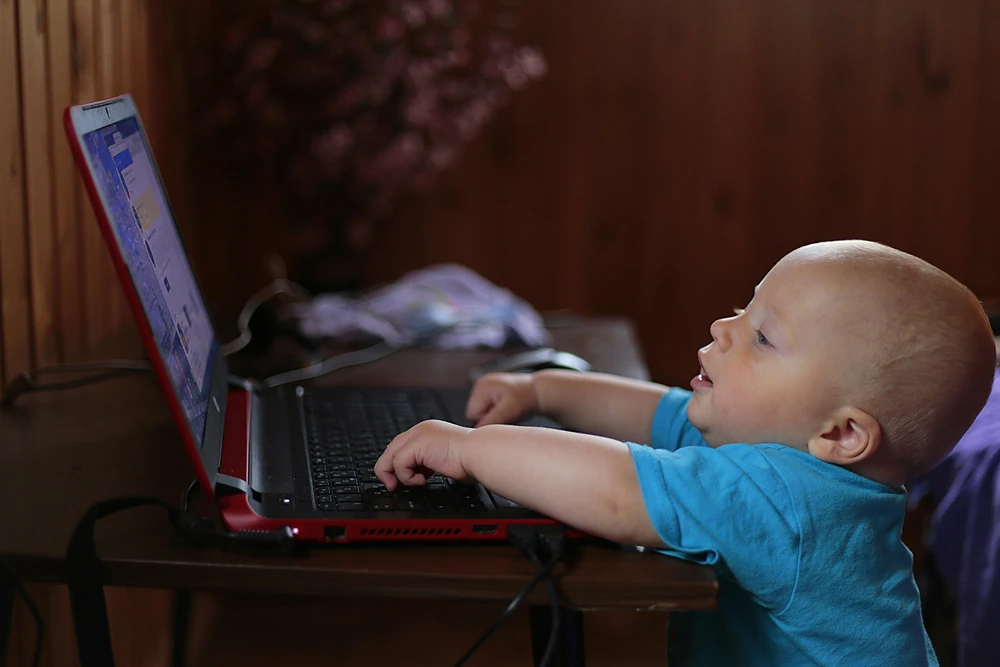
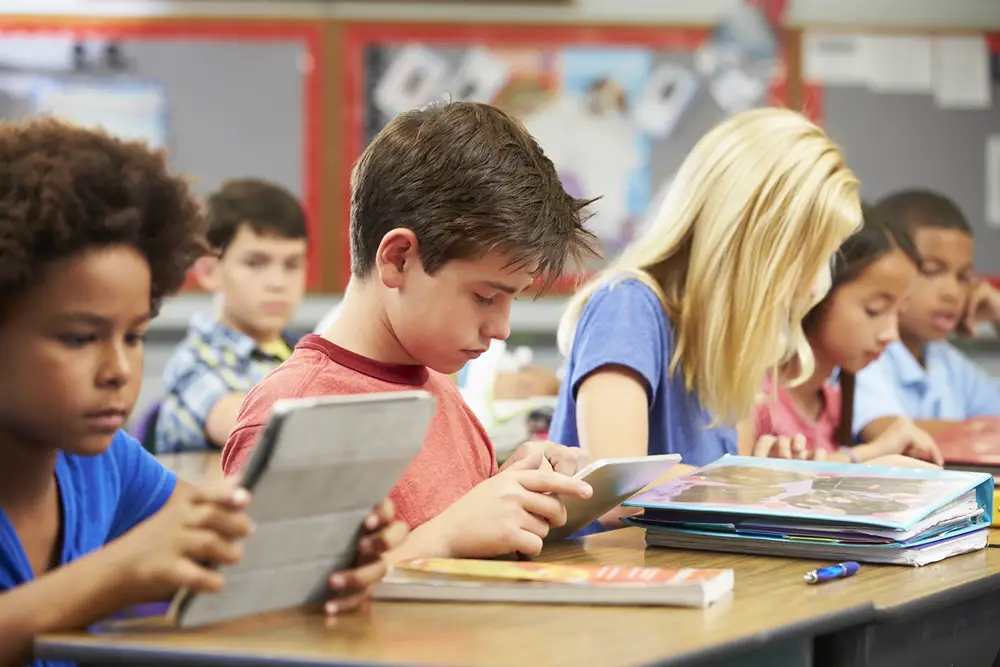
Screen time can be fun, but should not replace active play. Too much screen time can limit a child’s imagination and physical activity. Parents must set limits on how long children spend on devices each day, encouraging more play-based learning instead. A good balance leads to healthier development in young minds.
Conclusion
Hands-on activities are vital for young minds. They boost learning and creativity. Children engage deeply when they play. This helps them solve problems and build social skills. Encouraging play leads to a brighter future for kids.