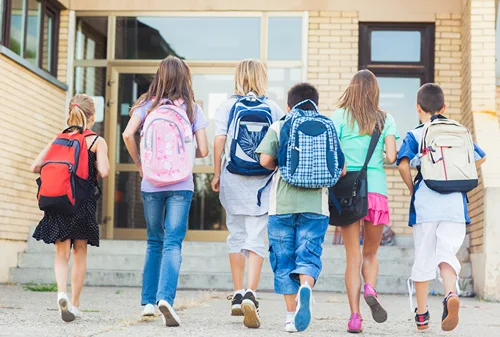
Why Hosting Social School Events Is Important

Why Hosting Social School Events Is Important

Social school events create connections between students, staff, and families. These gatherings help build relationships among the community and give students a chance to expand their social connectedness to those around them. Let’s explore why hosting social school events is important for students and staff.

Enhancing Academic Performance

Social school events give students the opportunity to interact with their peers and learn about different cultures in a positive environment. This can enhance students’ academic performance, as strong social skills can improve their academic desires.

When students have the chance to participate in activities outside the classroom, they can use their skills in different settings and practice problem-solving without the pressure of performing well on tests. Hosting a communal-style gathering is an excellent way to improve their performance. It’s also a great way to reward their academic achievements, which is helpful in encouraging long-term academic success.

Building a Supportive Community

Hosting social school events can also help create a supportive community among students, staff, families, and members of the local area. These events give everyone involved the chance to get to know each other better, allowing for greater understanding and respect. Furthermore, by providing a safe space for students to come together and enjoy activities, you can foster a sense of belonging and create an environment where everyone feels accepted.

Consider planning an event that speaks to the primary age group of the school, whether elementary, middle school, or high school. This helps students feel inclined to participate and begin building a network. Carnivals, craft festivals, bazaars, and fair-like events are all engaging, interactive, and fun for most age groups.

Promoting Inclusion

School events are also important for promoting inclusion in the classroom. By actively engaging with students from different backgrounds and inviting the community to join in, these events can help provide a platform for diverse voices. When you create a space for everyone to participate equally in activities regardless of race, gender identity, or other differences, you create an atmosphere of acceptance essential for creating positive learning environments.

Expanding Volunteerism

Most schools already have a network of volunteers who help fill in the gap in service of students and teachers. Most often it’s in the classroom and during extra-curricular activities. Hosting a larger one-time school event has the potential to build excitement and encourage parents who do not regularly volunteer to get involved.  This strengthens a school’s existing network of relationships between parents and teachers.

Fostering Lifelong Connections

Finally, hosting social school events is important for fostering lifelong connections between students and their peers. By providing a platform for everyone to come together and have fun in an inclusive environment, these events help children make meaningful friendships that will last beyond their school years. Encouraging familial attendance can offer students a chance to learn more about different cultures and build friendships between different groups and social classes.

One of the best ways to bring everyone together in an engaging, lighthearted environment conducive to friendship is hosting a school carnival with attractions, interactive events, hired entertainment, and snack stations.

Kids lining up for face painting at school carnival

Remember—the focus is to bring the school community together in an enticing way that cultivates a sense of belonging for everyone.  It promotes attendance, supports students, fosters connections, and encourages diversity. May the next school carnival or other social event be one to remember!

Share This Article

Empowering BIPOC Students for Success in Education and Beyond

Empowering BIPOC Students: Strategies for Success in Education and Beyond

The striving for racial equality has been a struggle for centuries. Whether it is in an educational institute or a community, ongoing steps need to be taken to ensure people of all colors and races are treated equally. Cultural modernization has played a crucial role in highlighting the injustice encountered by the BIPOC community.

The complete form of the word BIPOC is Black, Indigenous, (and) People of Color. And empowering BIPOC students for a successful educational journey is a milestone for social mobility. In recent years, the “Black Lives Matter” campaigns have drawn the world’s attention to the suppressed rights of BIPOC, not just black people but all people of color from varying races.

Contents

BIPOC – The Definition

Fighting Racism in Educational Institutes

Strategies for Success in Education and Beyond

Ending Notes

This article is dedicated to all BIPOC students worldwide. We will explain some effective strategies for the successful educational journey of BIPOC students.

BIPOC – The Definition

The abbreviation of BIPOC is Black, Indigenous, (and) People of Color, pronounced as bye-pock. The acronym is derived from a widely used term, POC (People of Color). The BIPOC term is specifically designed to indicate that not all people of color face equal injustice.

The BIPOC term is specified in the United States as a symbol of solidarity among black and indigenous communities. Moreover, the focal point of BIPOC is to highlight that people who are “not white” are severely impacted by systemic racial injustices.

Racism in Educational Institutes

Schools, colleges, and other educational institutes are making reforms to encourage “no racism” policies. The aim is to provide students of all races, colors, and religions with a positive educational experience without facing any bullying or trolling.

Research by the YMCA highlighted institutional racism in the UK, indicating that 95% of young black students heard and witnessed bullying based on racism at school.

Students believe racial stereotypes are a significant barrier to academic achievement and job opportunities.

We want to mention another study, but we will discuss the racial biases in the United States of America schools this time.

A survey published in the Journal of Public Administration Research and Theory reported that black students have 54% reduced chances of gifted educational programs.

From the times of Martin Luther King to the recent tragic incident of George Floyd, racism never left us.

To avoid systemic racism, structural change is essential in schools and colleges. Social media played a significant role in giving momentum to issues like systemic racism and academic places. Despite their location, educational institutes should teach and promote equality from mentor to mentee levels.

But how do schools and colleges accomplish and promote an environment free of racism?

Read along because the following section contains effective strategies to empower BIPOC students and ensure a successful educational system.

Strategies for Success in Education and Beyond

A classroom is a magical place where minds are trained and taught. Beyond good and evil, no place can teach kids better about racial and economic equities than classrooms. It starts with teachers and then parents to rear the innocent brains of children, teaching them respect for all human beings.

Strategies for Success for People of Color in Education

Here are the details on how educational institutes can empower students of color to achieve their full potential.

Understand Their Background

Students come from diverse cultural backgrounds in a school, college, or university. Cultural competence is what makes life difficult for students of color. Another thing that we all must know is that racism does not remain inside the classroom doors but outside, too.

Institutes must recognize that racism challenges the lives of BIPOC students to a degree that they start feeling unsafe in their surroundings.

Understanding the background of BIPOC students is necessary to build a positive community. Educational institutes can help BIPOC overcome challenges and barriers. For that, one-on-one sessions in the classroom should be made in which all black or white students share about their lives, culture, perspectives, challenges, and likes and dislikes. An effective way to kill the ruthless approach of racism is to discuss it. And that is the only way to celebrate diversity.

Cultivate Personalized Environment

Every person is born unique, and we should bear this in mind. Educational institutes must follow a policy of socioemotional support to value each of their students regardless of their color and race. And for that, creating a safe, personalized environment is the key.

Professors, teachers, and trainers should be taught with open communication strategies to establish trust with their students and give them personalized advice and learning counseling.

We know that educators have their hands full with so many tasks. But a little attention to someone or someone’s problem could save many worse things from happening.

Encourage Networks & Connections

Networking and socialization can offer so much to BIPOC students. Educational institutes can set up networking campaigns where students of all colors, races, and religions connect to promote social cohesion with people with the same interests and goals. Teachers can introduce their BIPOC students to their professional network, allowing them to explore career development and employment opportunities.

Promote Mentorship

Mentorship builds the foundation of trust and empathy. A mentor is a light who guides students through the dark and makes them better people. Schools, colleges, and universities should encourage BIPOC students’ mentorship so that no barrier is left in developing an anti-racist society. When young students see people of color as mentors, they start respecting them.

Open Career Opportunities

An effective strategy to empower BIPOC students is opening career opportunities for them. Appoint them as professors and counselors at your schools and colleges and see significant differences in the overall environment of your institute. Equality should be served everywhere, and equal job opportunities for the BIPOC community open the door to a future where racism no longer exists.

Ending Notes

People have debated and fought for the rights of people of color for years. It is a matter that needs immediate attention, even in modern times. Educational institutes must strategize effective plans to overcome the nuisance of racism from its roots.

We have mentioned some effective methods to empower BIPOC students that every educational institute should follow and implement to improve the world for people of all colors.

Author Bio:Hadiya has expert-level knowledge about cyber security solutions as she has been writing online safety guides for more than 5 years. Her goal is to educate her readers about online safety in the best and the easiest way possible. Follow Hadiya on LinkedIn

Share This Article

5 Fall Adventures for Sensory-Sensitive Children: Explore the Sights and Sounds of Autumn

Fall Adventures for Sensory-Sensitive Children

Autumn’s arrival often stirs a mix of excitement and apprehension for parents of sensory-sensitive children. While the season promises cozy sweaters and pumpkin-flavored treats, it also brings challenges — how can we ensure our kids enjoy fall’s beauty without feeling overwhelmed?

If this resonates with you, here are five sensory-friendly fall adventures that cater to your child’s unique needs, ensuring a memorable season for the whole family.

1. Nature Walks

Nature walks are an immersive experience, allowing children to engage directly with the environment. For sensory-sensitive children, this direct interaction can be both therapeutic and enlightening.

The sensory benefits of nature walks are manifold. The rustling of leaves, birds chirping and the scent of fresh earth can be calming for many children, especially those with sensory sensitivities. Exposure to nature can reduce stress and enhance mood, making it especially beneficial for sensory-sensitive children.

When planning a nature walk, it’s essential to select a path that’s both safe and accommodating. Wide paths, for instance, are wheelchair-friendly and provide ample space for children to explore without feeling confined.

If a child becomes overwhelmed by a particular sensory input, having a quiet spot to retreat can be invaluable. This could be a designated quiet area in a park or even the family car.

2. Pumpkin Patch Visit

A pumpkin patch is a sensory playground. The tactile sensation of the pumpkins’ rough skin, the earthy smell of the soil and the visual spectacle of varying shades of orange and green can be a treat for many children. However, for sensory-sensitive kids, this experience can be a double-edged sword.

Children with sensory sensitivities often experience heightened or reduced sensitivity to stimuli. These challenges can make seemingly simple activities, like a visit to a pumpkin patch, a potential source of discomfort or distress.

Your approach to these activities, as with many aspects of parenting, can significantly influence your child’s experience. For instance, an authoritative parenting style, which combines rules with warmth and flexibility, can be particularly effective. This approach involves setting clear expectations while also being responsive to a child’s needs.

Whatever parenting style you have, it is advisable to visit the pumpkin patch during off-peak hours, preferably on weekdays or early mornings during weekends, to reduce the chances of sensory overload caused by crowds.

Before your visit, talk to your child about what to expect. Discuss the sights, sounds and activities they might encounter. This can help them mentally prepare and reduce anxiety.

Consider bringing noise-canceling headphones, fidget toys or other sensory tools that your child finds calming.

3. Leaf Piles Dive

The rustling of leaves underfoot, the vibrant red, orange and yellow hues, and the sheer joy of a leafy descent are the hallmarks of a classic fall activity.

Jumping into a pile of leaves is a rite of passage for many children and a sensory delight. The tactile sensation of leaves against the skin, combined with the auditory pleasure of their crunch, offers a unique sensory experience.

Engaging in outdoor activities, like playing in leaf piles, can enhance children’s sensory development and cognitive function. Children who regularly play outdoors have better motor skills, spatial awareness and even improved concentration.

But, if your child is new to the activity, let them approach the leaf pile at their own pace. They might prefer to touch and play with the leaves before jumping in.

Watch for any signs of discomfort or overstimulation. If your child seems hesitant or anxious, take a break and try again another day. Children may not always verbalize their feelings, making it essential for parents to recognize their signs of distress.

After the activity, talk to your child about their experience. This can provide insights into their feelings and preferences, helping you plan better for future adventures.

4. Apple Picking

Apple picking can be therapeutic for children, especially those who are sensory-sensitive. Orchards present a unique environment where children can engage with nature directly.

This sensory-rich activity can help improve motor skills, enhance learning and even boost emotional regulation in children, especially those with sensory processing disorders.

To avoid overwhelming your child, consider visiting the orchard during off-peak hours. Allow your child to take the lead. Whether they want to pick apples, feel the bark or sit and observe, it’s essential to let them set the pace.

After apple picking, engage in activities that extend the experience. This could be baking an apple pie together or creating art with apple stamps.

5. DIY Fall Crafts

Arts and crafts are more than just creating something beautiful — it is also a unique opportunity to engage sensory-sensitive children in a controlled and enriching learning environment.

When children engage in DIY crafts, they express their creativity and develop fine motor skills, enhance cognitive abilities and boost their self-esteem. Engaging in art activities can enhance brain function in children, leading to improved academic performance.

Ensure the child is in a calm state before starting the craft activity. It is essential to set the right mood to make the experience enjoyable.

Let the child choose the craft to do to give them a sense of control and ownership over the activity. It is also important to always use non-toxic materials and ensure the crafting area is safe.

Lastly, praise the child for their efforts, no matter how small. This boosts their confidence and encourages them to try new things.

Planning an Unforgettable Autumn

Fall doesn’t have to be a season of sensory overload for your child. You can turn it into a sensory haven with a dash of creativity and a sprinkle of planning.

From nature walks to DIY crafts, these activities offer more than just fun — they provide a platform for your child to learn, grow and, most importantly, feel comfortable in their own skin.

Together with your child, create crafts and lasting memories that both of you will cherish for years to come.

About the Author
Ava Roman (she/her) is the Managing Editor of Revivalist, a women’s lifestyle magazine that empowers women to live their most authentic life. When Ava is not writing you’ll find her in a yoga class, advocating for her children or whipping up something delicious in the kitchen!

Share This Article

What Are The Stages Of Teacher Professional Development?

What Are The Stages Of Teacher Professional Development?

Hello, fellow educators and knowledge enthusiasts. Today we’re exploring an area close to every teacher’s heart: professional development. Like our students, teachers too benefit greatly when learning new things. Bettering ourselves is a lifelong process that brings many rewards.

Have you ever considered what the journey of professional development for teachers?  looks like? Join me as I break down its stages. They may prove not just insightful but truly transformative.

Curiosity Ignited:

Everything starts when that first spark appears, that moment when you realize there’s something new or different you want to learn or a skill you want to master. At this stage, curiosity reigns supreme: You attend workshops, webinars, or conferences that pique your interest—almost like embarking on a quest armed with thirsty ambition for knowledge and curiosity for discovery. This is the most important stage as it decides the journey that you will be undertaking and the lengths you will go for that.

Exploring New Territories:

It is always good for an educator or a teacher to look for sources and opportunities from where you can improve and improvise. Once curiosity strikes, you immerse yourself in the world of learning with gusto. At this stage of discovery, it’s all about discovery: trying out different techniques, strategies, and perspectives that could enhance your teaching toolbox. Attend training sessions, read books, and engage in discussions with colleagues in order to broaden your horizons and discover more possibilities for growth. Exploring new and effective ideas is always a great recipe for success and development. Always have a positive attitude towards change and learning.

Learning in Action:

Education doesn’t end once we gain knowledge; rather, its true purpose lies in applying what has been gained to real-life situations. At this stage of your professional growth journey, newfound skills and strategies are put directly into action in your classroom environment like brush strokes on canvas; you experiment with what you have learned until it fits both your teaching style and students’ needs.

Reflection and Adjustment:

Think back to when you stopped to admire your students’ progress. Now it is time for you to reflect upon your own journey, assessing what went well, what needs improvement, and how your approach may need to change with experience gained along the way. Continuous improvement starts here. The change that you feel in yourself would reflect in your students, your experience would reflect in your students and you would see a positive enhancement in their skills and capabilities.

Collaborative Growth:

Teachers Engaging in Collaborative Growth for Professional Development

Learning requires teamwork, so this stage focuses on collaborative growth. You engage with other educators to share successes and challenges as well as to draw upon each other’s experiences; it’s like having an invaluable support network that helps propel forward with shared insights and wisdom. Thus by helping each other, we help each other in collaborative growth. Sharing each other’s effective teaching methodologies and techniques would result in an overall improvement in the education sector. It would not only be beneficial to the teacher but would do wonders for the students too.

Broaden Your Horizons:

Once your confidence increases, it’s time to explore opportunities beyond your comfort zone. Take on leadership roles, mentor colleagues, whatever it takes, or explore specialized fields within your field. Anything to push boundaries and broaden horizons. Professional development thus enhances the inner abilities each educator has and implements that in your classes. Things that seemed impossible in the past become an easy possibility in the present as well as in the future.

Becoming a Guide:

As they say, teaching is the best way to learn, and this stage embodies that notion. No longer simply an active learner but now also acting as an active guide with colleagues, leading workshops, or mentoring younger educators, becoming an educator enables others to thrive. You can be a mentor or a guide to your fellow colleagues and also to each and every student that you teach or come in contact with. Thus not only implementing what you learned but also helping others along the way.

Innovation and Leadership:

At this point, you have achieved the level of expertise necessary for innovation. No longer satisfied with simply following best practices, you are creating new ones; designing teaching methods, conducting educational research, and leading initiatives to transform education as an entire field may all fall under this heading.

Lifelong Learning:

Professional development isn’t something that happens once and is then over; rather, it should be seen as an ongoing journey throughout your career. At this final stage of your development journey, honor your dedication to lifelong learning by actively seeking new knowledge, responding to changing trends, and remaining open to growth—an attitude that keeps you inspired and relevant throughout.

Technology Integration:

Technology has become an essential element of modern education. At this stage, the focus is on effectively incorporating tech into teaching practices and using digital tools, online resources, and educational software to enhance students’ learning experiences.

Assessment and Data-Driven Instruction: 

this stage, assessments and data analysis are used to guide teaching strategies. Through this the teachers or educators learn how they can assess the progress of their students, they can assess the results, and make or design programs that cater to each student’s needs.

Specialization and Expertise:

After a teacher or an educator has acquired a good amount of experience in a particular field he or she can expertise in that field and acquire specialization also. This can be anything from special education, STEM subjects, or language acquisition. Becoming a specialist or expert in a field gives the educator an authoritative role in that subject and also they can play a pivotal role in shaping the future development of that particular field.

Conclusion: 

Imagine this: an exciting tapestry of teacher professional development. Like teaching our students, this journey is engaging, exciting, and ever-evolving—something educators cherish every day as we work towards excellence for both learners and guides alike. My fellow educators, let’s embrace every step along this journey with open hearts and eager minds, knowing each step brings us closer to becoming outstanding educators ourselves.

Share This Article