Camping with Kids Checklist!

Camping with Kids Checklist!

Are you planning to take your family on a camping vacation in nature? Going camping with your loved ones is one of the best outdoor activities that you can opt for. However, do you know what to pack to have a safe trip and family happy?

Here is the gear that I recommend for you.

Family camping checklist

Safety and well-being are first to consider when going outdoors. Which gear should you take along if you want to have a peaceful and satisfying journey? Kids can be hard to please but you can make happy faces even without bringing a bunch of their favorite toys and games to a camp.

The whole point of camping is to have fun and reconnect with nature. Fun activities include hiking and exploring the trails, bicycling, animal watching, reading, learning survival skills, cooking the family’s favorite meals over a campfire, and many more. To make the activities possible you will need to bring the next items to a trip.

Camping sleeping equipment

When it comes to sleeping stuff you need to consider bedding that will be comfortable for family members because the level of comfort will show the next morning. As you will be active through the day you need to have a bed like at home to have a proper rest.

Tent for spending the night

The camping tent you choose must be big enough for all of you; this is the first feature to consider. Ask yourself what kind of tent you want. Do you need a tent that will be appropriate for hot days or need a waterproof tent for camping in the rain?

Also pay attention to the tent’s hydrostatic head, breathability, brand, and other features that will determine the success of your trip.

Sleeping bed and accessories

When having a roof over your head is taken care of you need to think on/in what you will sleep. If you will choose a rainy and cold season I recommend using sleeping bags that are insulated or sleeping beds with blankets.

Sleeping pads, mats, or camping cots are also an option but for setting up the cots you will have to have enough space. Opt for an inflatable pillow and take pajamas for the kids to increase sleeping comfort.

Clothing and footwear

Clothes are one of the most important family camping essentials, or should I say a specific type of clothes. When packing clothes for each member make sure you pack enough to keep everybody satisfied. Pack extra underpants, T-shirts, and socks.

I recommend using cotton, fleece, or wool clothes under the waterproof ones while you hike and explore and when staying inside a tent. What you wear under the jacket is not so important as wearing a waterproof jacket or a coat when it rains and you are out there exploring with children.

If you will be dressed in cotton and rain will start to fall you won’t be protected and can get a cold or get sick as the water can soak you to the skin. Don’t let it happen as you might be canceling the journey due to unpreparedness.

Pack some gloves, scarfs, warm boots, and hats if you will be camping in wintertime. Regarding footwear, you should walk in comfortable shoes or boots that are waterproof. Break in the shoes at least a week before heading to the camp.

Cooking stuff and food

Keeping your party fed is also one of the things that should be taken care of. Where will you cook and what fuel will you use? As a camper, you can opt for a camping stove that runs on propane. These stoves are very practical to cook a meal or a cup of tea. The stove will need a small propane tank to function.

In what will you cook? The best thing is to buy a cookware set for outdoors that has foldable units. Make sure the set has all the items you need to prepare a meal and a hot drink. Don’t forget about eating utensils, a cutting board, knives, matches or a lighter, cups, and paper towels.

If you have time and will you can cook some make-ahead meals so you won’t need to spend much time cooking at a campsite. My girlfriend cooks rice, pasta and prepares meat at home, and packs the food in containers or plastic bags. Surprise your kids by hanging out over a campfire while making s’mores as this is an evergreen classic that makes everyone happy.

Additional Items for Camping

What about other stuff that is recommendable for a family camping?

A tent heater

If you are not camping on your summer vacation, it may get cool at night in the spring or fall.  Did you know that you can use a small and safe heater inside a tent? Outdoor companies make heaters on propane or electricity that will make the tent’s interior warmer and cozier. When getting yours make sure it is safe to use in a tent.

A tarp

Having a tarp with you can be a lifesaver. You can put it above the shelter to make your tent even more waterproof or put it under the tent so the rainwater won’t find its way to the tent.

This piece of outdoor gear is perfect for building a covered place for storing the gear you don’t want inside the tent, to cook, and dry clothes. It is a versatile item to use that I warmly recommend taking along.

Entertainment games

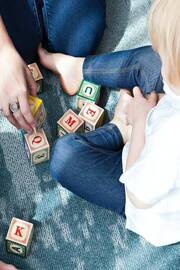
It is clever to take some fun and learning games that you all can play when you are bored or when rain is soaking the campground. Make sure that you take those that are meant for more players and leave the Game Boy at home as you want all of you to have fun together.

Flashlight

Without proper lighting, you won’t see at night and won’t be able to find things that you need. Take a flashlight or a headlamp with extra batteries so your kids won’t be scared when the dark comes and that you will be able to function in the dark.

You can also pack a lantern and candles along; just make sure the candles are placed on a tray so the wax won’t burn the tent’s floor.

Pack smart and enjoy your family time!

Camping packing things must include safety equipment and those that will make your outdoor stay fun and worthwhile. Consider my family camping list and also include your favorite items to have one of the most exciting vacations in nature with the people you love the most.

Share This Article

Parental Control for Google, Samsung, Smartphones, iPads, Kids’ Tablets

Parental Controls for Tablets

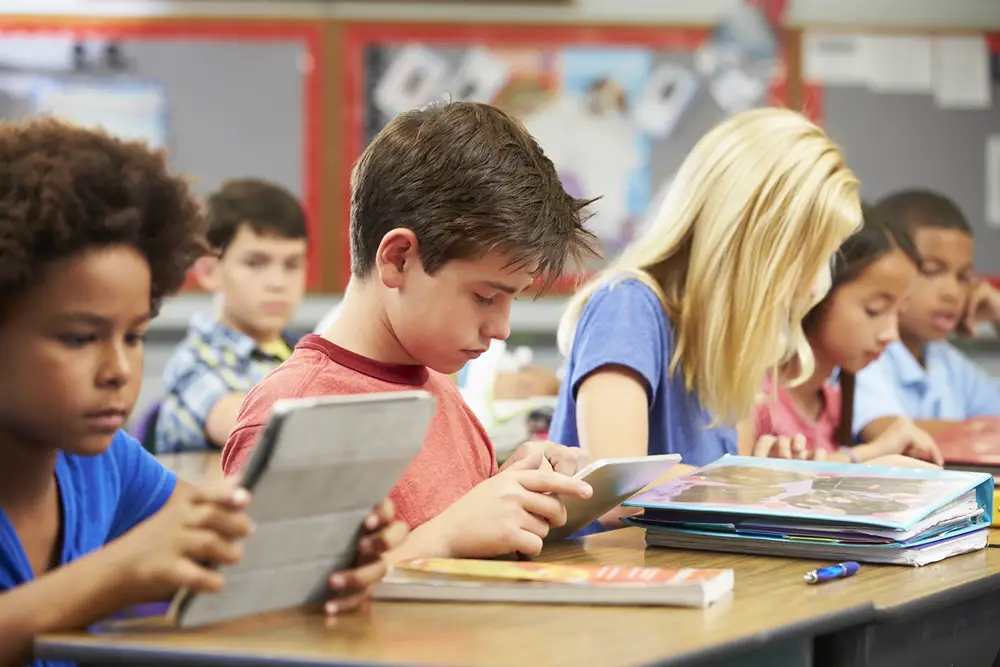
If you are planning to buy a tablet for your child this year you may also be exploring parental control options from Google, as well as available safety apps for iPads and Samsung Tablets. There are plenty of buzz words out there related on internet safety, security and parental monitoring.  It can be overwhelming especially for new parents who are giving a child their very first tablet.

We’ll do our best to break everything down for you. The last thing you need is to duplicate processes, while overlooking safety and security essentials, in an effort to make sure your new tablet or iPad kid safe.  We’ll explain the difference between reliable parental controls from external sources and those that may already have existing restrictions in place for safe game play.

Finally, we’ll review software or apps that may be redundant if you already have purchased that make other programs redundant.

Parental Control Monitoring

There are a myriad of third-party parental control apps.  Pricing varies and for the most part, they pretty much do the same thing.  However, ease of use is a key factor for parents when decided which application they use to monitoring their child’s activity online.   Key features you’ll want to ensure parental controls offer are as follows;

  • Monitoring of texts and calls on social monitoring apps, such as WhatsApp, Facebook, Instagram, Snapchat and Kik.
  • Monitoring of texts and calls on SMS and Messengers.
  • GPS tracking so you can confirm where you kids are always.
  • Geo fencing, which notifies you when your child leaves designated zone’s they are supposed to be.
  • A porn blocker and content filter.

If you have both iPhones and Android devices being used by family members, your parental control app of choice should also be able to monitor both platforms and work on all devices, such as iPads, Samsung Tablets, and all smartphones in your home.

Parental Control Phones

New to the market are phones that have built-in parental controls. Monitoring features once found only by installing an app are offered within a parental control phone. Such is the case with a MMGuardian partnership with Samsung.

Parental Controls On Google

Firstly, if you are seeking a free parental control while searching Google, we have an app to recommend for that.  Apart from bookmarking this website for PC’s or Macs,  download our Google SafeSearch App for any tablet or mobile device.  Then, instruct your kids to only use it to search Google.  It provides the same strict filtering results as featured on the top of our website, but provided within the confines of an app.  You may want to remove/delete all other search apps such as Safari for iPad and Chrome so they are not accessible for use.

Google also offers Family Link.  It provides free tools to guide kids to good content, teach and set digital ground rules, monitor screen time and track location. for children within a certain age, there is also Kids Space, which is controlled by parents within Family Link. It’s a safe place for younger children to explore.

Parental Control Software and Parental Control Apps often refer to programs that block access to the entire web.  Our search app and Google’s Family Link do not block or monitor internet access. Google SafeSearch only filters the web while searching.  Our app and Family Link are free tools you can use to provide a certain level of parental control.

Greater restrictions are needed through a parental control software for those who want to stop older kids from taking steps to download harmful content. This may include re-downloading other search apps that you removed from the tablet.

Social Media Safety

Even if you have Google search covered, kids will also have access to outside content via their social media platforms.  Every parent should have an open and honest conversation about which social media websites are allowed in your home.  You can implement agreed upon guidelines as well, but this is where complete parental control apps can allow parents to see everything that is happening on any device the software is installed.

Parental controls with a paid subscription model will have a parent dashboard to view app downloads on all devices.  The dashboard will also allow you to limit screen time and block specific hours when users are allowed online, such as late in the evening or when you are not home.  And of course, all bad sites can be blocked not matter what method us used to find them, even if accidentally.

KTablets with Parental Controlids Tablets with Parental Control

If you have younger kids and not looking for a fully functional device like iPad or a Samsung tablet, there are fun activity tablets that already come with their own parental controls built in.  These are very basic user-friendly tablets for kids that provide a safe environment for game downloads and internet search.

Schools who supply tablets for kids may also have internet filtering active through their own parental controls set for all users in the school.

Anti-Virus for Tablets

While parental control is all about protecting kids from accessing inappropriate websites, it does not block viruses.   If you are getting a tablet for younger kids that are going to be strictly using Google safe search, then the risk for infection from computer viruses is lower.  Generally, tablets are safer than PC computers but virus infection can still happen.

iPads are more secure because Apple’s operating system is more closed.  Samsung tablets are running on an Android platform, which is more open, and therefore more susceptible.  Just be aware that parental control or any other app designed to deliver safe search does not protect against viruses or malware.

Other than visiting infected website, email is the most common way a computer will get infected from a virus.   If your child is not running email, then the risk of infect is reduced even more.  If they are using a filtering search engine like ours, they are also less likely to end up on an infected website.  To clarify, parental control software does not stop virus infections.

Read more about options related to internet safety related to virus protection.  It’s another article where were break down the various buzz words related to internet safety and security.

Lets Review for Tablet Safety

  • At the very least install our safe Google search app. It’s free.
  • And it won’t hurt to consider Google’s Family Link app.  It provides additional tools to equip families to be safe online.
  • Install anti-virus software for email and consider anti malware software to safety against infected websites.

Online Gaming Security

If you have an avid gamer in the household using a PC or Macintosh computer, explore options for gamer security.  This stops users from turning off the Anti-Virus program they may have because it slows down their computer operating system.

Share This Article

9 Tips to Help Get Your Kids to Sleep

A tween girl sleeping with head on the table in school library.

Sleep is an important part of your child’s daily routine. To function well during the day, they need to get enough sleep. And most kids aren’t getting enough rest. Poor or inadequate sleep can cause problems in many areas of life. Difficulties with behavior and learning are often related to lack of sleep.

Kids who get enough sleep don’t tend to be moody, tired during the day, and have trouble staying focused in school or their jobs. They also may be irritable or quick to lose their tempers; some even become hyperactive or aggressive.

According to the National Sleep Foundation, children aged 3 to 5 need 10 to 13 hours, while kids aged 6 to 13 need at least 9 to 11 hours of sleep a night. Teenagers need at least 8 to 10 hours.  But the average American child gets less than eight hours of shut-eye each night.

The good news is that there are lots of ways you can help your child get more rest every night. Even young children can learn to say goodnight, quiet down, and fall asleep on their own.

Tips To Help Your Child Sleep Better at Night

Keep consistent bedtimes and wake times. Establishing and sticking to a sleep schedule is important for healthy sleep habits. Kids need about 10 hours of sleep each day, and if they don’t get those 10 hours at roughly the same time every night and day, they can develop irregular sleeping patterns that make it hard to fall asleep and stay asleep if your child misses their usual bedtime on weekends. It can throw off their internal clock and cause trouble falling asleep on Sunday night —and back into the early morning routine come Monday morning.

1. Establish a Bedtime Routine That Works

While it’s fine to keep them busy, try not to push your kids too hard during that last half-hour before bedtime. Stop before they become overtired; that means they probably need more rest.   If they can brush their teeth and change into pajamas without too much grumbling, you’re right on schedule. But if arguing, complaints, or temper tantrums ensue, you’ll want to hold off until tomorrow morning. Whatever activity is part of their pre-bedtime routine needs to be relaxing and calm for a better night’s sleep.

The right time to go to sleep is when your child feels tired but not overtired. It can take anywhere from 30 minutes to an hour after lights out for kids’ brains and bodies to get the cue it’s time to shut down for the night. If you make them fall asleep too early in anticipation of their required wake-up time, they’ll just wake up earlier in the morning than necessary. This will also interrupt their normal sleeping pattern. So set an appropriate bedtime that allows them to be alert and awake during daylight hours, then let them fall into a deep sleep at night when darkness takes over every evening.

2. Make Their Bedroom Sleep-Friendly

Create a space in their bedroom where they feel both cozy and safe to encourage sleeping. It should be dark and quiet in there with no distractions. Consider using soft, low beds like a Montessori floor bed—which allows a child safe, easy access while feeling grounded. Avoid bright lights, TV, or video games in the room, which can interfere with falling asleep. Dim the lights for between 30 minutes and an hour before your child goes to bed; this will help them relax and fall asleep better. A warm bath or shower followed by a story also helps kids wind down to get some sleep.

3. Keep It Cool

A cooler room temperature is recommended; a slightly chilly 68 degrees Fahrenheit (20 degrees Celsius) is perfect for making your child sleepy. You could try using a fan to circulate air around the room, too, which may bring some needed relief from heat if you’re located in a warmer environment. Avoid hot temperatures as it makes it harder for children to fall asleep due to increased energy produced by their growing bodies, which conflict with circadian rhythms that make them feel tired during nighttime hours. That said, keeping your kid warm will help them stay cozy and content. So it’s important to use a comfy blanket that they can snuggle up in when trying to sleep at night.

4. Get as Much Natural Light as Possible

Encourage your youngster to get as much natural light as possible during the day, particularly in the morning. The hormone melatonin is suppressed by bright light. This helps your kid stay awake and alert during the day while inducing drowsiness before bedtime.  Natural sunlight also plays a key role in helping the body produce vitamin D, which is essential for children’s bone growth and overall health. Even a short time outdoors can make a big difference in both sleep quality and well-being.  Consult with the medical professional about how to ensure your child gets the required amount of this essential vitamin.

A pattern of multiple sheep, stars, and moons.

5. Let Kids Unwind With Books

Reading is an excellent way to relax at night. But you don’t have to let reading be the only activity your child does before bedtime; other quiet activities are also fine. Avoid stimulating activities or exercises associated with playing video games or watching television. Also, avoid looking at any screens up to an hour before bedtime because of the associated blue light that can interfere with melatonin production, which tells our brains it’s time for sleep.

6. Limit Liquids, and Watch Out for Medication

Your kid should limit their liquid intake in the evening hours, not only just before bedtime but during dinner as well. Drinking too much fluid makes kids wake up frequently during the night, increasing their chances of dehydration which will steal precious sleep from them.

Avoid caffeine at night. While some parents believe that coffee and tea can perk kids up, it’s one of the worst things you can give your child before bedtime because caffeine is a stimulant, and too much caffeine before bed can make it hard for them to fall asleep.

Remember that even over-the-counter and prescription medications, including some herbal remedies, can cause sleep disruptions. Alcohol is a depressant that will put your child to sleep, but it reduces their quality of rest and decreases the depth of their REM (Rapid Eye Movement) cycles.  Just like adults, children can also experience the effects of too much alcohol before bedtime, including dehydration and hangover symptoms such as headache or nausea coming morning.

7. Make Sure Your Kids Are Getting Enough Exercise

Of course, not right before bedtime or soon before they go to bed because you don’t want them to be too energized. But regular physical activity helps them get the necessary amount of sleep each night by helping tire their bodies out earlier in the day.   Just make sure it’s an appropriate level of exertion for your child’s age, though. If it feels like hard work, you should scale back until they become more conditioned to physical activity over time.

8. Avoid Big Meals

Kids should not have a big meal either right before bedtime or within 3 hours of going to sleep because it can make them uncomfortable and interfere with their ability to get quality rest. Eating too close to bedtime causes heartburn, acid reflux, and discomfort, which can disturb your child’s natural sleeping patterns.

9. Help Kids Relax at Night

When your kids start to feel drowsy, then take that as your cue that they’re ready for lights out. You don’t want to let them fall asleep while engaged in an activity like watching television or playing on their devices, though; this will only make it harder for them the next day when you try to extricate them from these tech-induced comas.

There are so many ways you can comfort your little one without resorting to screens just before bedtime.  From massage to reading books together, doing calming activities together will let your child know that it’s almost time for sleep—and help them relax into slumber once that familiar head hits the pillow.

Takeaway

Sleeping well is a challenge for us all, but it’s something that we need to do to keep our bodies healthy and functioning properly. Kids face special challenges when it comes to getting the essential 8 hours of sleep each night because they’re still growing and developing during their most restful periods. So if you can encourage your children to follow some or all of these helpful tips, they will be able to get the sleep they need at night, so they have more energy during the day to learn new things and be active with friends.

If you find yourself still having trouble getting your little one to hit the hay on time, consider making an appointment with your family doctor, who can help determine if there’s an underlying medical condition or sleeping disorder causing all the late nights. While most kids will fall asleep as they get older, it’s important to be aware of learning disabilities and attention deficit disorders that might cause them to have trouble with early bedtimes or staying in bed.

Author Bio

Jennifer is the Sleeping products expert and merchandise testers. She features a vast selection of experiences to effort from when creating the standard information our visitors come to seek out. She handles the daily operations of the site, and you’ll also see her in plenty of reviews, from mattresses to travel pillow and bed pillow reviews. She’s adamant about sleep health and knows just how important it’s to our well-being. Jenifer reports, writes, and edits sleep health and sleep industry news on  Sleeping Park. She will be found reading or traveling when she gets leisure time.

Share This Article

8 Ways to Support Your Kids in School

When you become a parent, you also become your child’s first teacher. The examples you set and the lessons you teach them are the foundation for their entire lives, even within formal education. With this thought in mind, it bears stating that being present in their lives and their educations is one of the most important aspects of their lives you can be involved in.

Sometimes it can be difficult, juggling it all and trying to maintain a presence for them. Many students do well on their own. Other students are underserved and need all the support they can get.  Still, it is possible make a big difference in a child’s school life by focusing on a few key areas.

1. Be Involved With School Staff and Teachers

Meeting your child’s teachers and getting to know who’s who among the staff at the beginning of the school year can help establish a partnership that serves to benefit your child’s education. The teacher may have many students to contend with, but you can help ease the load and lessen their stress if you show you want to be involved. Your children will see your involvement and feel emotionally supported as well.

2. Keep Track of How Your Child is Doing

Doing this in order to punish them for bad grades will only stress both of you out, but ensuring you keep up with their needs is a significant way you can have an impact on their learning. Communicating with their teacher and seeing where their weaknesses and strengths are can allow you the headway to aid them before they get too far behind.

3. Help Them With Homework

Whether it’s math, social studies or book reports – most children dread homework. After a long day at school, most just want to be done and go play, but this isn’t always conducive to proper learning or information retention. If you can’t help them with their homework directly, make sure you give them a special, quiet place to work. Check in with them to make sure things are getting done, rewarding them if they finish.

If you might be worried that you can’t help them with homework because you don’t know the subject or language very well, finding someone who can help may be a wise decision.

4. Have a Positive, Praising Attitude

An overlooked aspect of children’s education is their mental health, and constant criticisms have been shown in studies to reduce both productivity and self-esteem. You are your child’s first source of validation, and as such, you need to be their biggest fan. Without sacrificing their learning potential, it’s important to support their strengths and praise them where they deserve it, while not letting them lag behind with their weaknesses.

By showing genuine interest in your children’s education and giving them positive, constructive feedback, you can feel their enthusiasm to learn.

5. Don’t Underestimate Organization

Having a routine, a schedule or an organized way of handling your child’s curriculum can reduce stress not only for you but for your children as well. There are ways to organize at home for your children, such as designated areas for their home studies, whether it’s for homework or distant learning. Another way is through an online school agenda, which stores everything you need within the cloud and reduces the likelihood that anything gets lost or forgotten.

6. Monitor Screen Time

Ensure your children aren’t spending an excessive amount of time playing video games or mindlessly watching the internet or TV programs. Practical media usage is important, as is recreational. Finding a balance between screen time and keeping your children focused and productive with their homework is vital.  Ensure they have ample time to read or play away from a computer screen and look for ways to improve your child’s learning skills outside school.

7. Encourage Independence

Micromanaging every aspect of your child’s education is something you want to avoid, both for your time management and your child’s stress levels. Be involved, but not overt. Help them develop their own routines and rules and show them how to follow through. Taking responsibility is an important life skill to learn, and doing so early can set good foundations.

8. Talk With Your Child

Talking and listening are important in equal measure; validating your child’s feelings can help them feel seen and heard by you, their first teacher. Never underestimate the value of being an open-source of communication and a safe place for your children.

Success!

Becoming involved with your school and getting to know your child’s teacher will also make your aware of the needs of school. You may have time to volunteer or assist by providing free school supplies or supporting your child’s academic life through school fundraisers.  As a parent, you want nothing more than the happiness and success of your children, hopefully, this article has helped aim you in the right direction.

Share This Article